
An ESMI programme · Indonesia 2027–2036
46,900 gold-mining waste areas. One programme to clean them up.
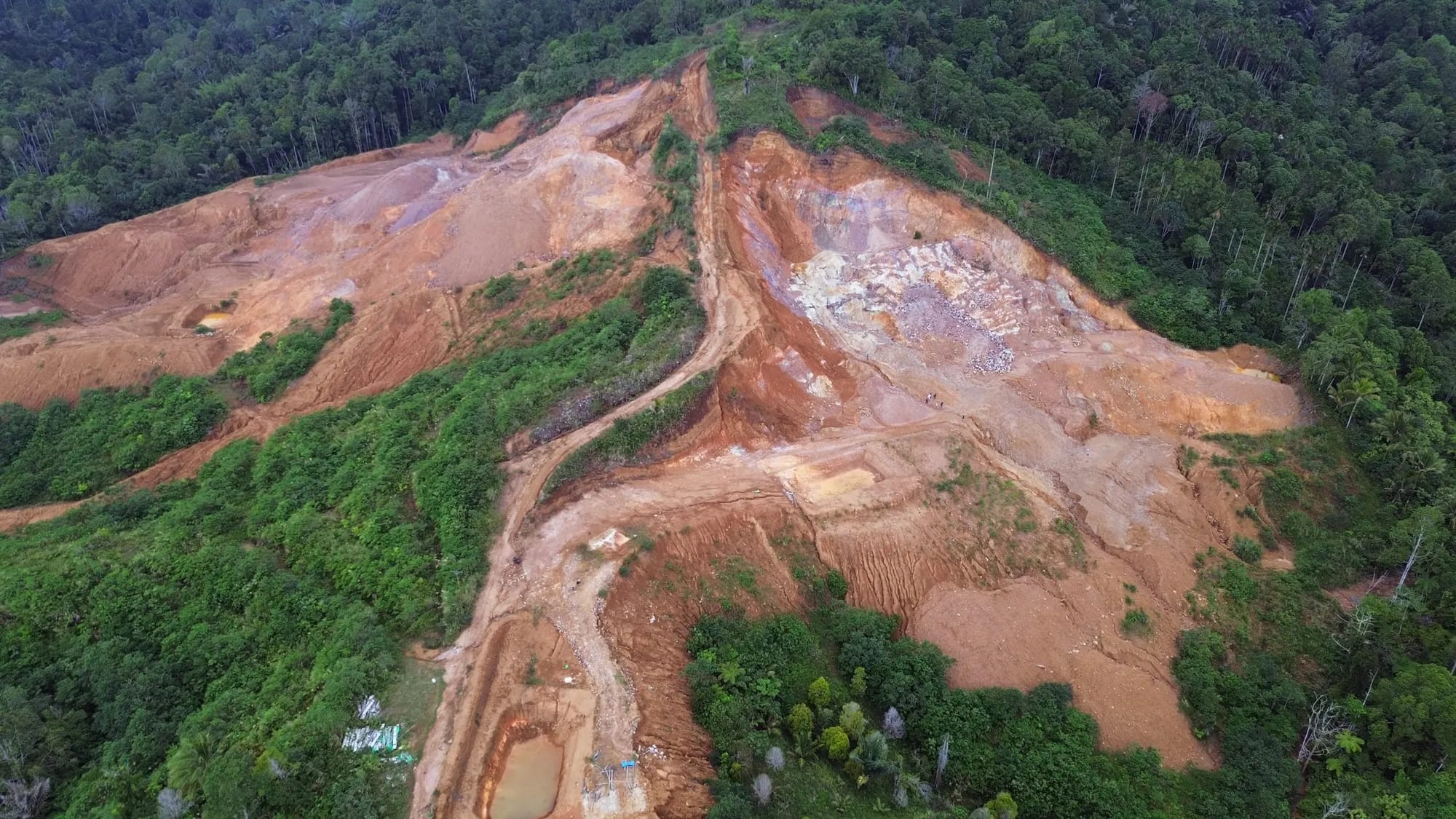
Among them some 35,000 separate waste heaps, left behind with the mercury and cyanide that were used to win the gold.
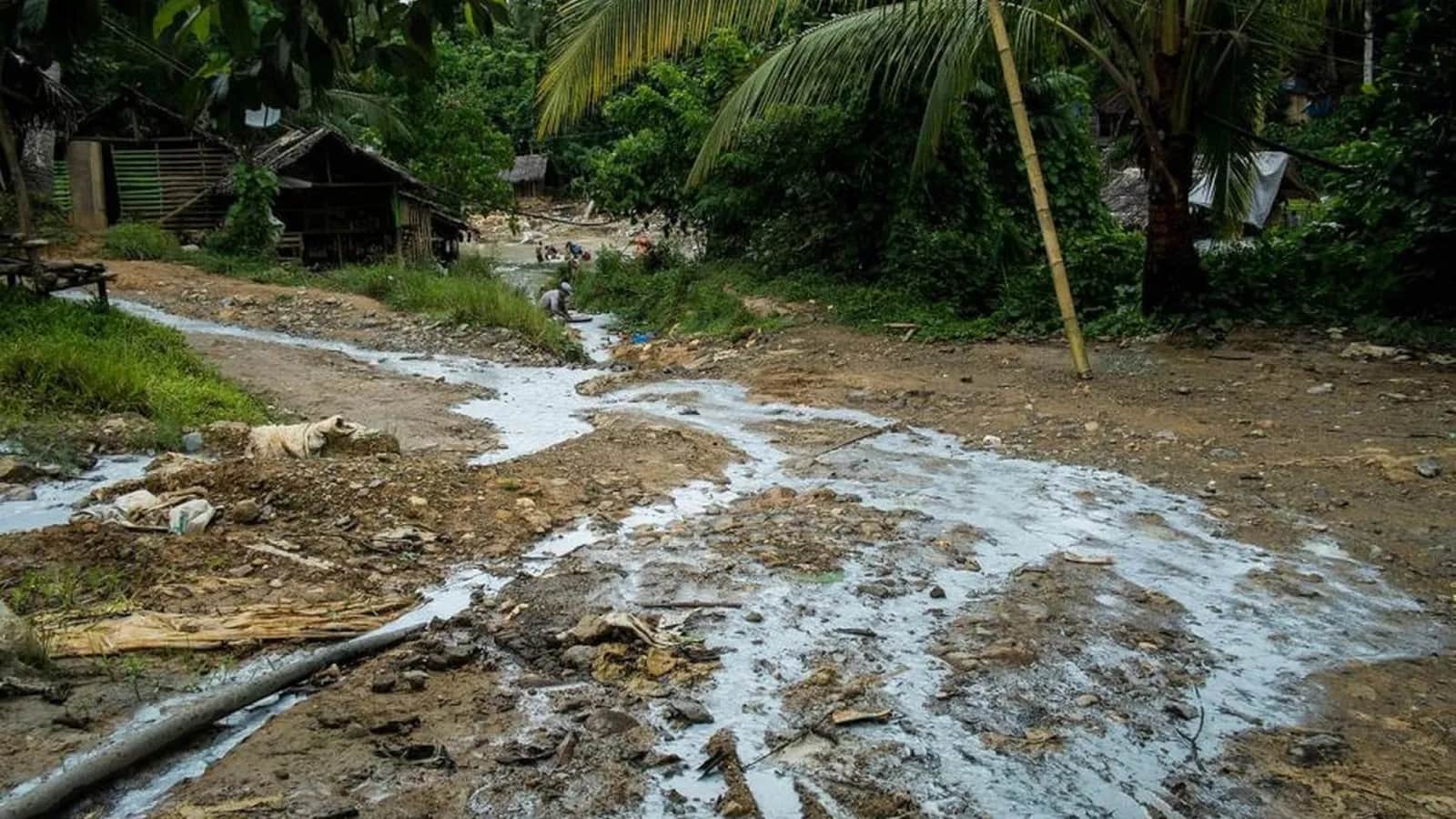
That poison does not stay in the heaps. It washes into rivers and rice fields, builds up in fish and the animals that eat them, and ends up in people: studies in Sulawesi and Kalimantan found signs of mercury poisoning in miners and villagers alike. ESMI cleans the waste where it lies, presses the sand into bricks and returns the land to the villages.
Damage since you opened this pageUSD 17 every secondEstimate: USD 548 mln a year · ESMI national report on Indonesia’s mine waste
The problem in numbers
A national emergency that no one owns.
±120t/yr
of mercury reach soil, rivers and rice fields outside the mines every year
ESMI national report on Indonesia’s mine waste (Nov 2026), model estimate, range 60–180 t
±92%
of the gold waste land lies outside any permit: no one is bound to clean it up
ESMI national satellite scan of Indonesia (Nov 2026)
3.0–3.6mln
people live within 2 km of gold-mine waste
WorldPop 2025 and the ESMI national scan
USD 548mln
in damage every year if nothing is done
ESMI national report on Indonesia’s mine waste (Nov 2026), model estimate
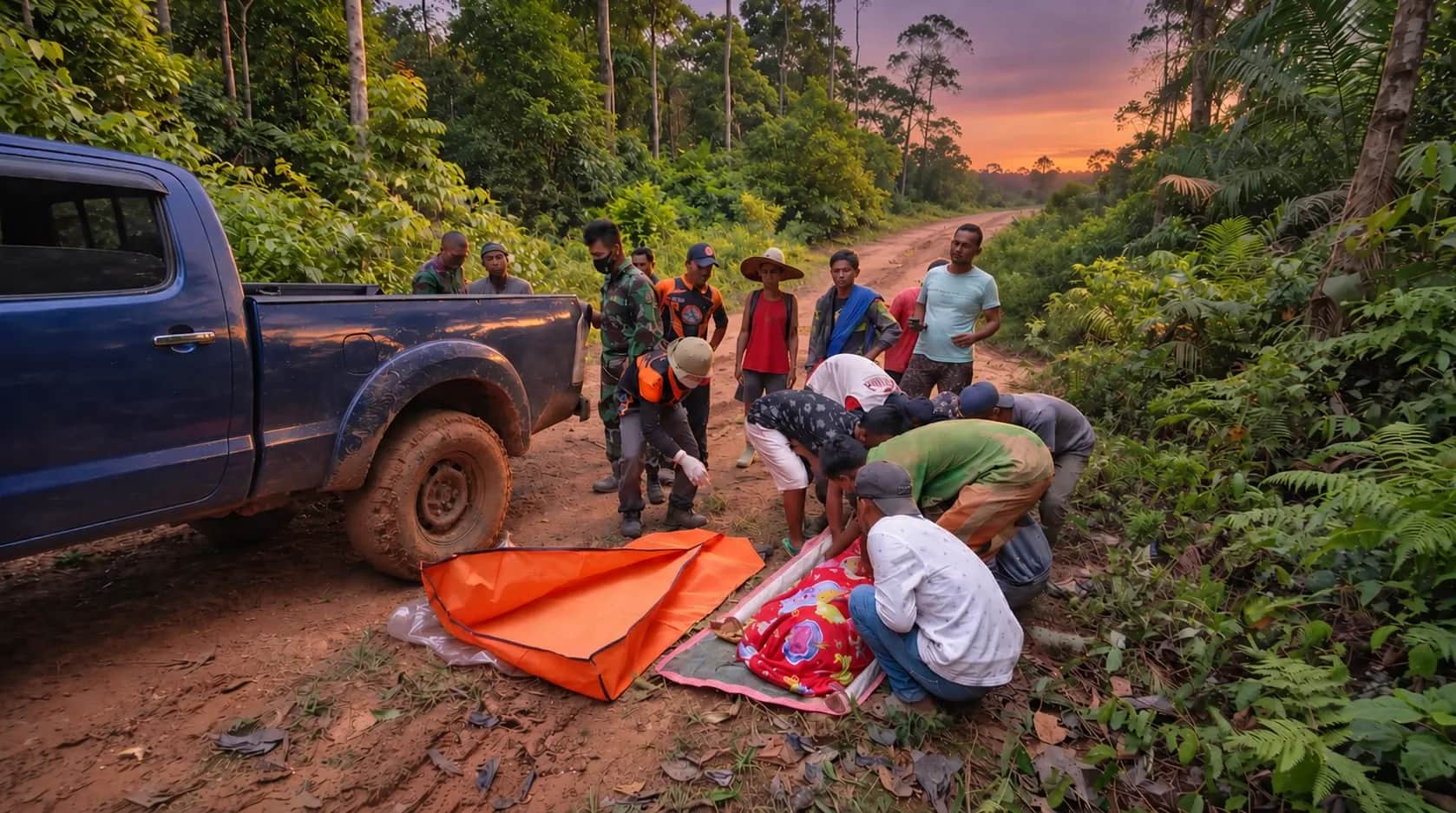
88
deaths in illegal gold mines in 2026 alone (as of 25 Oct 2026)
ESMI register of accidents reported in Indonesian news
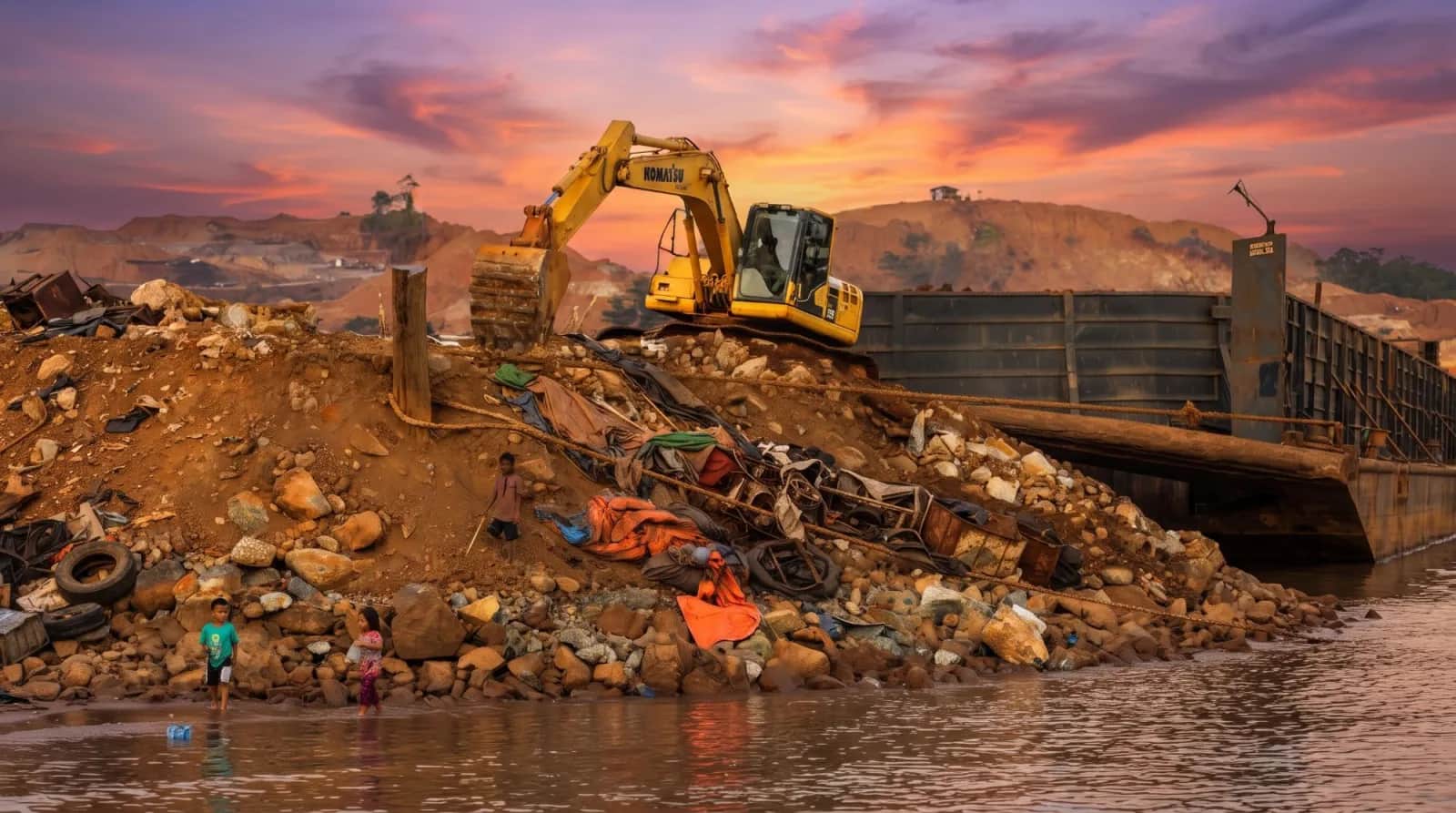
46%
of all waste sites appeared after 2020. It is still growing.
MapBiomas and Sentinel-2 satellite images

The solution
The waste can be cleaned. All of it becomes bricks.
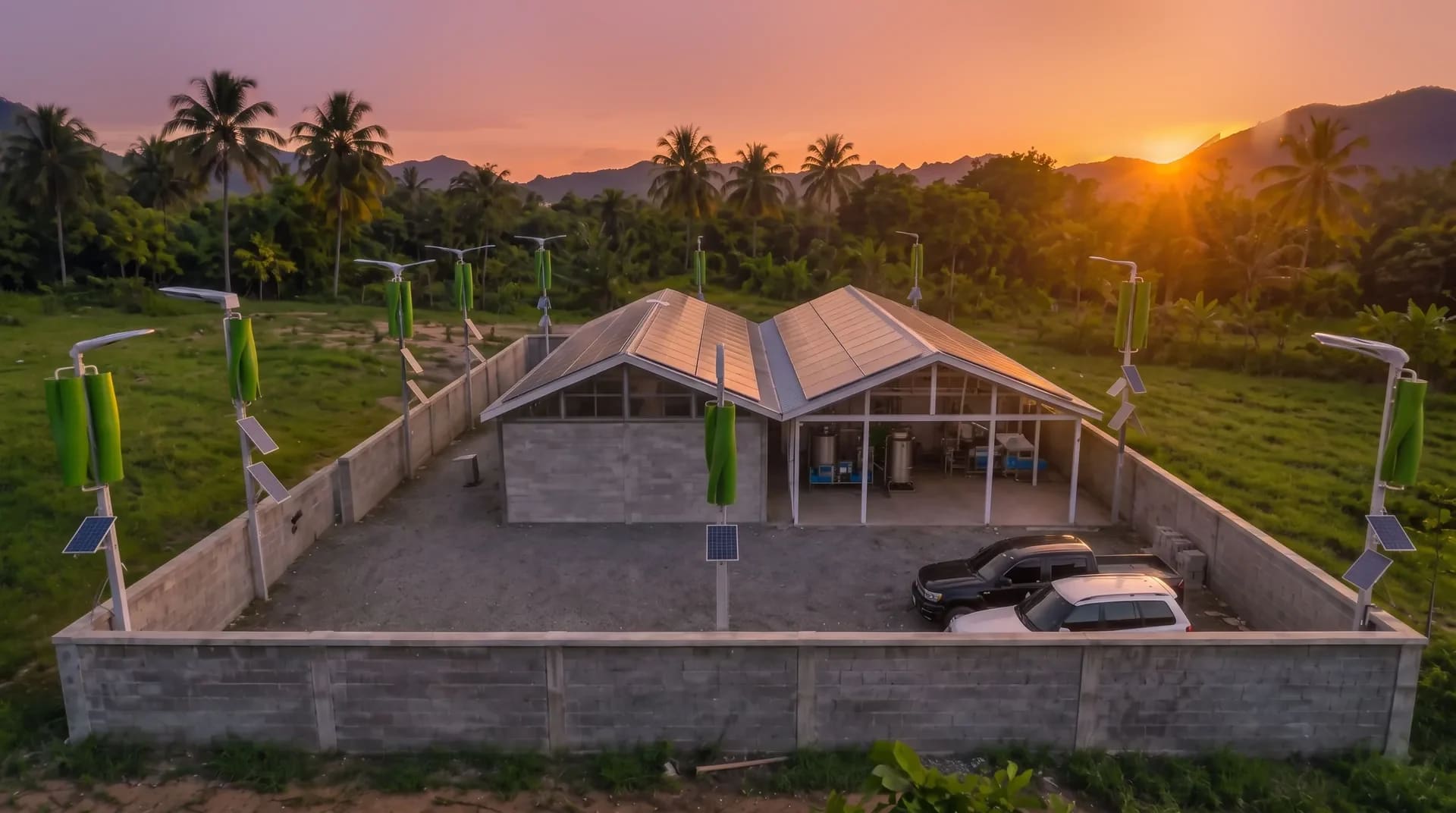
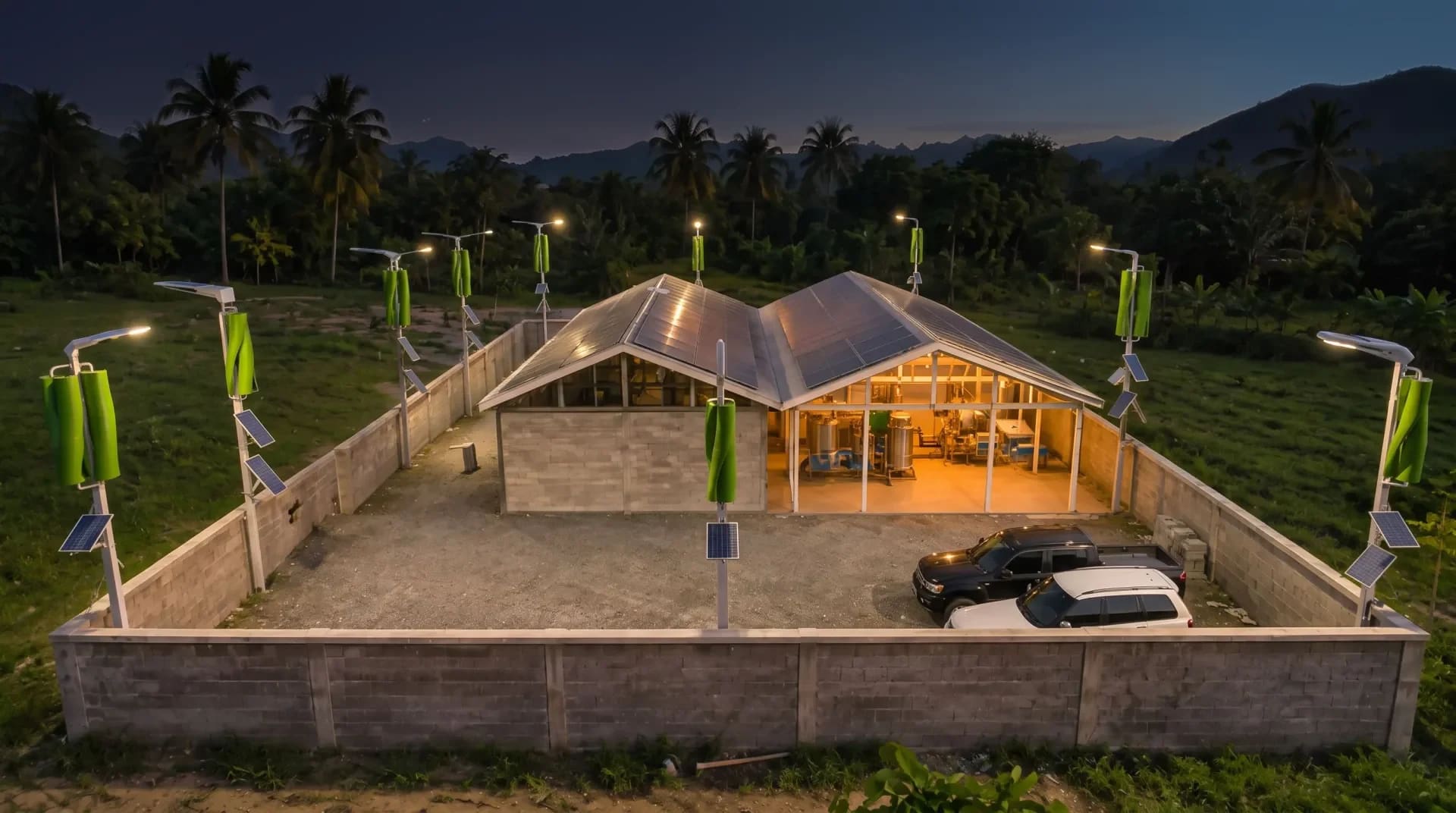
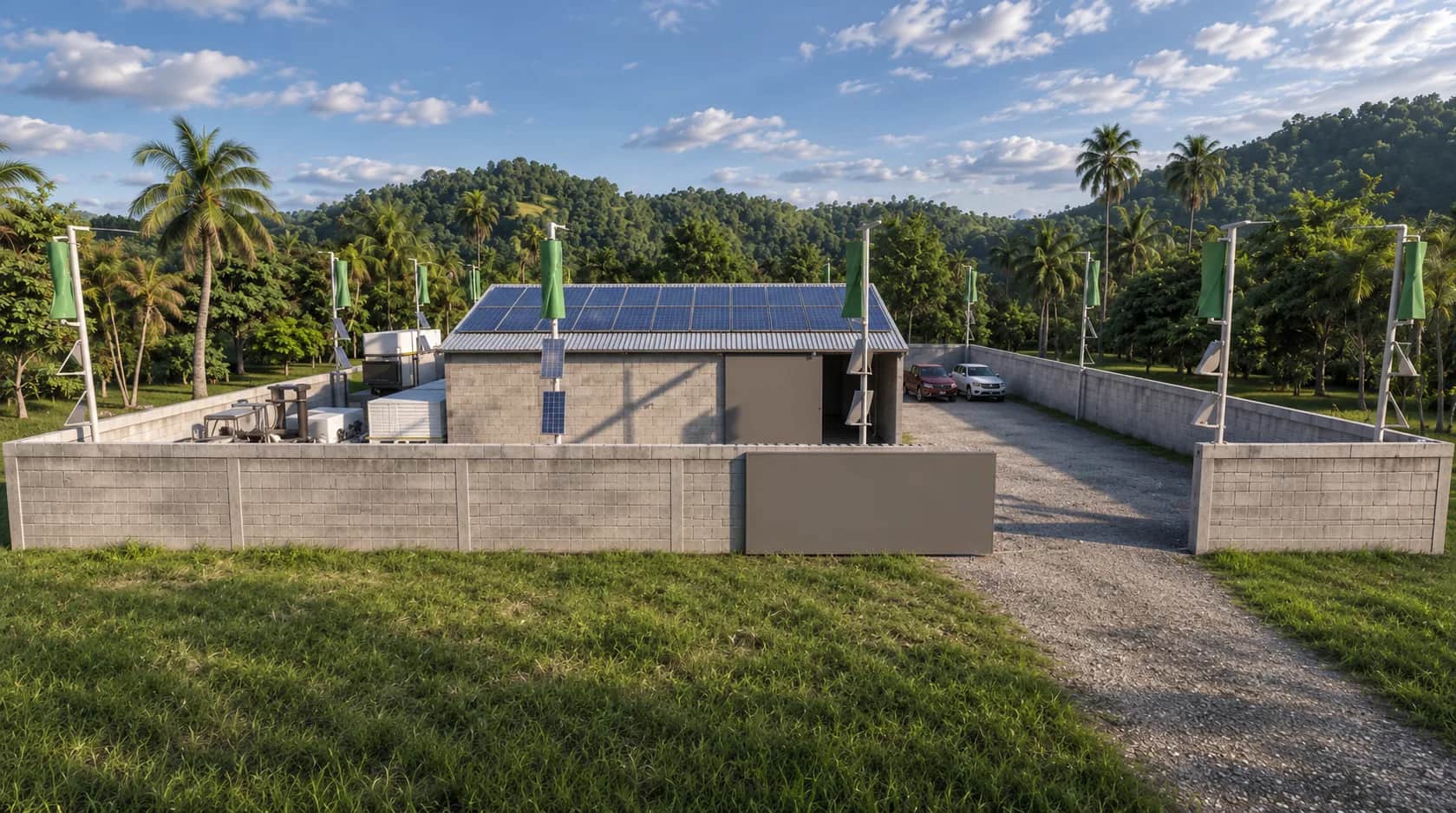
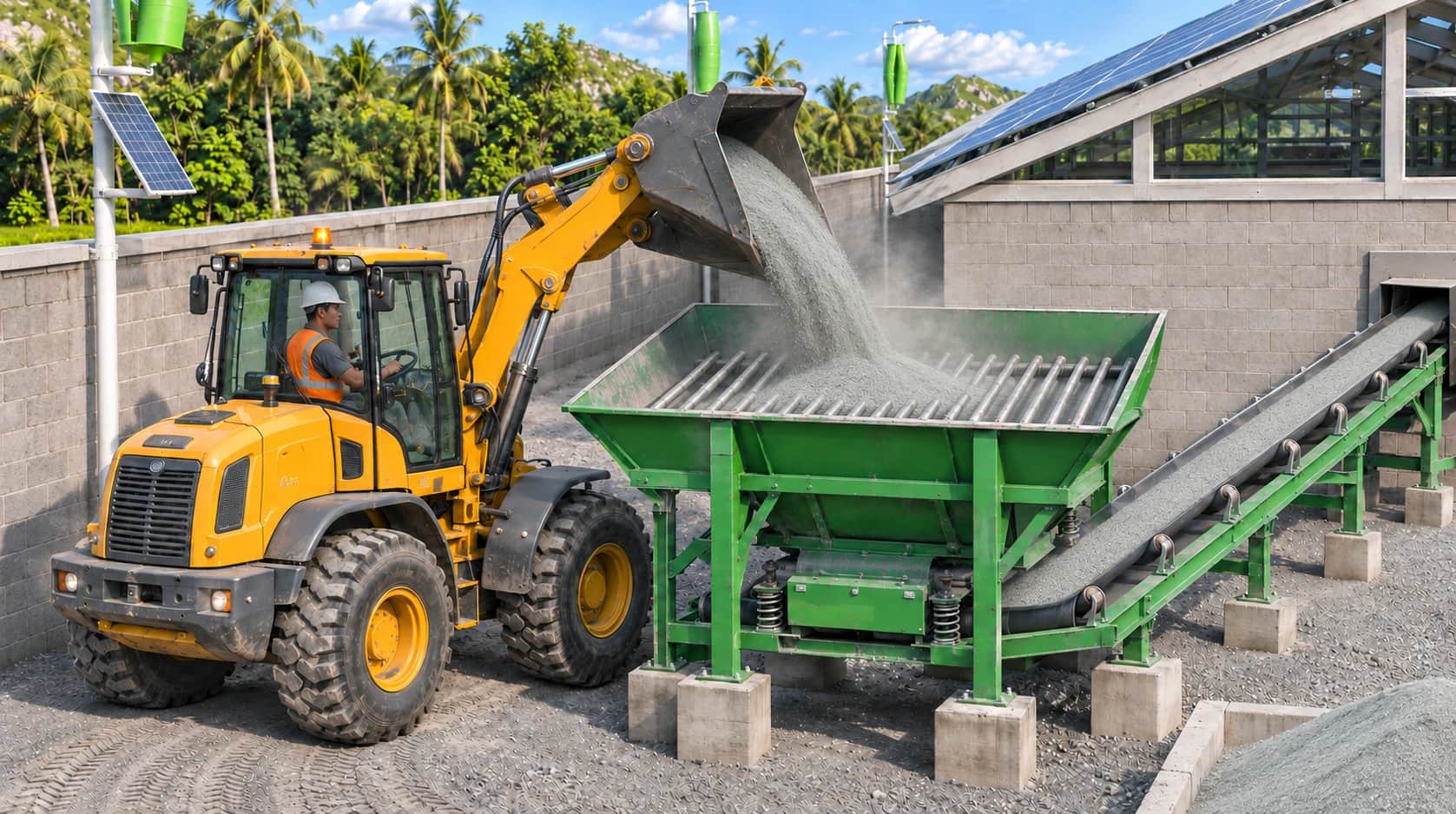
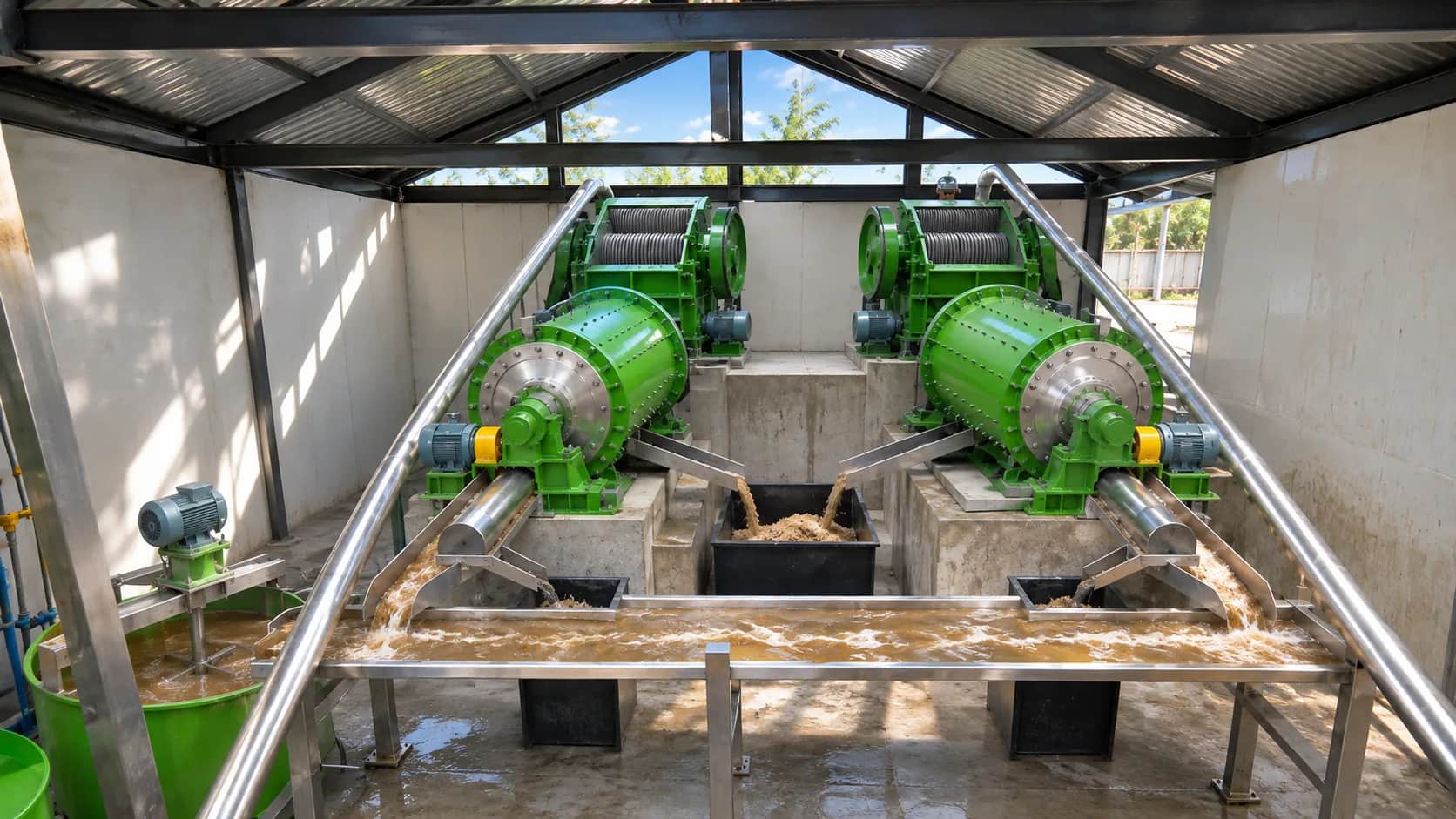
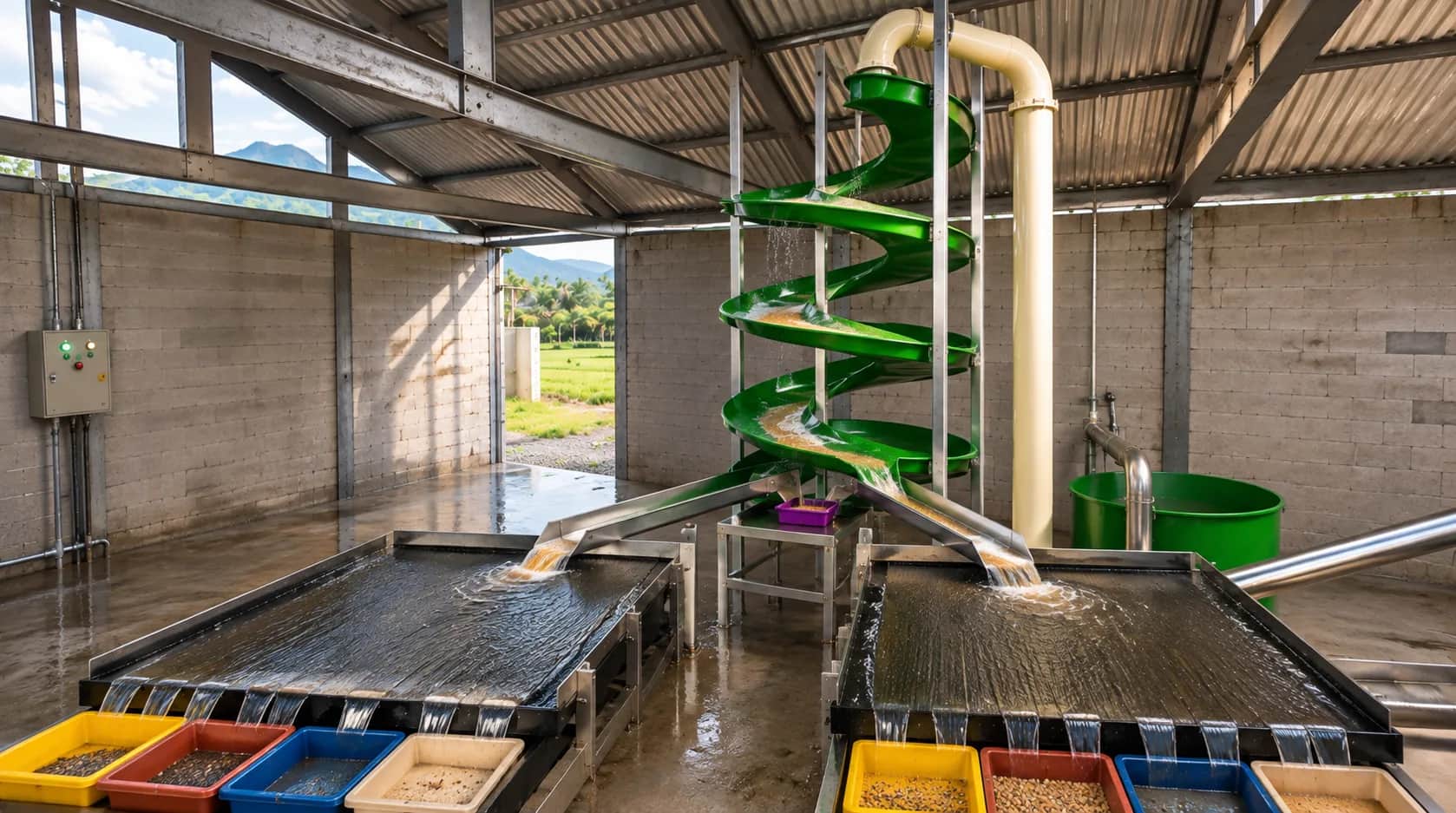
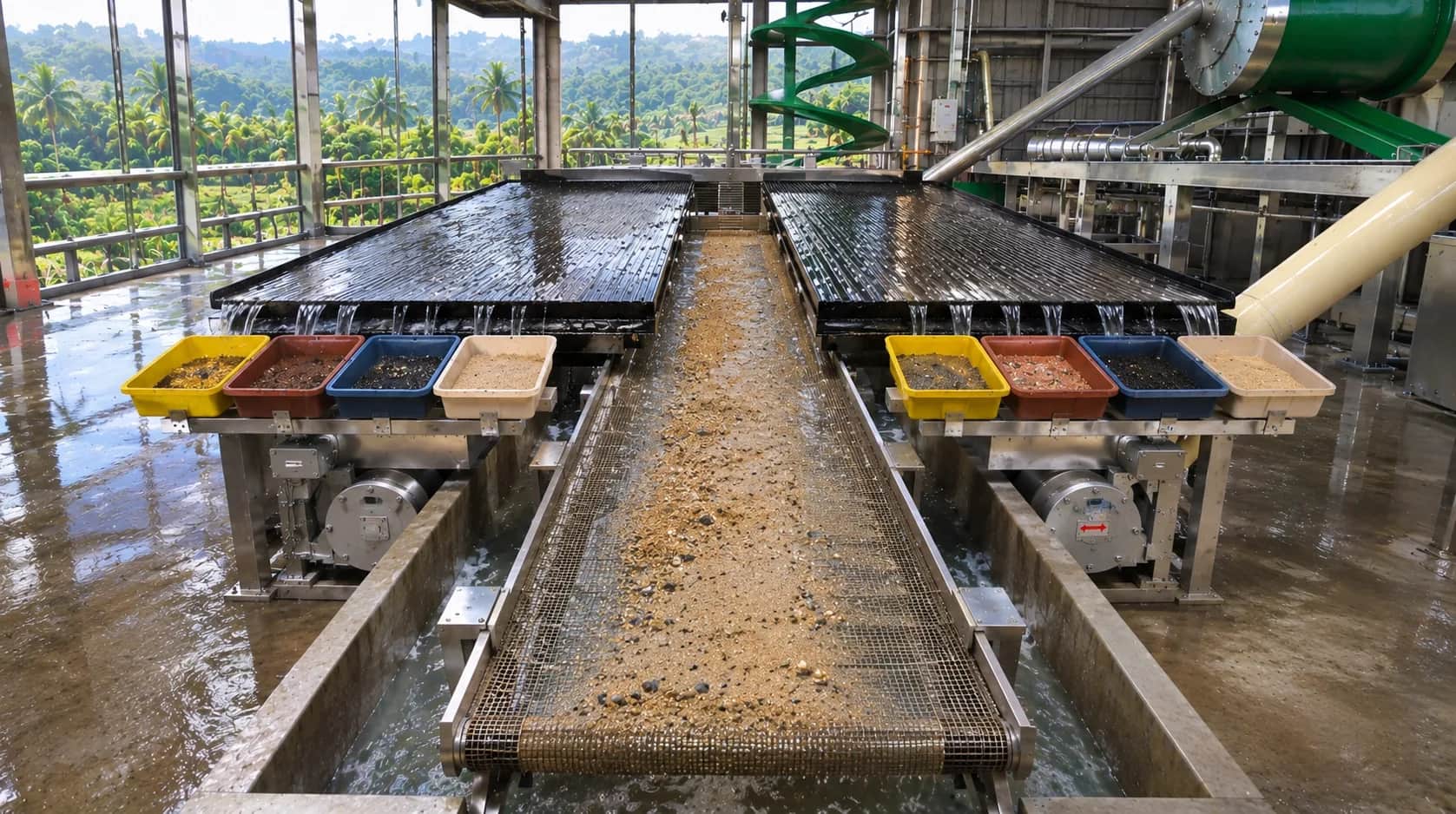
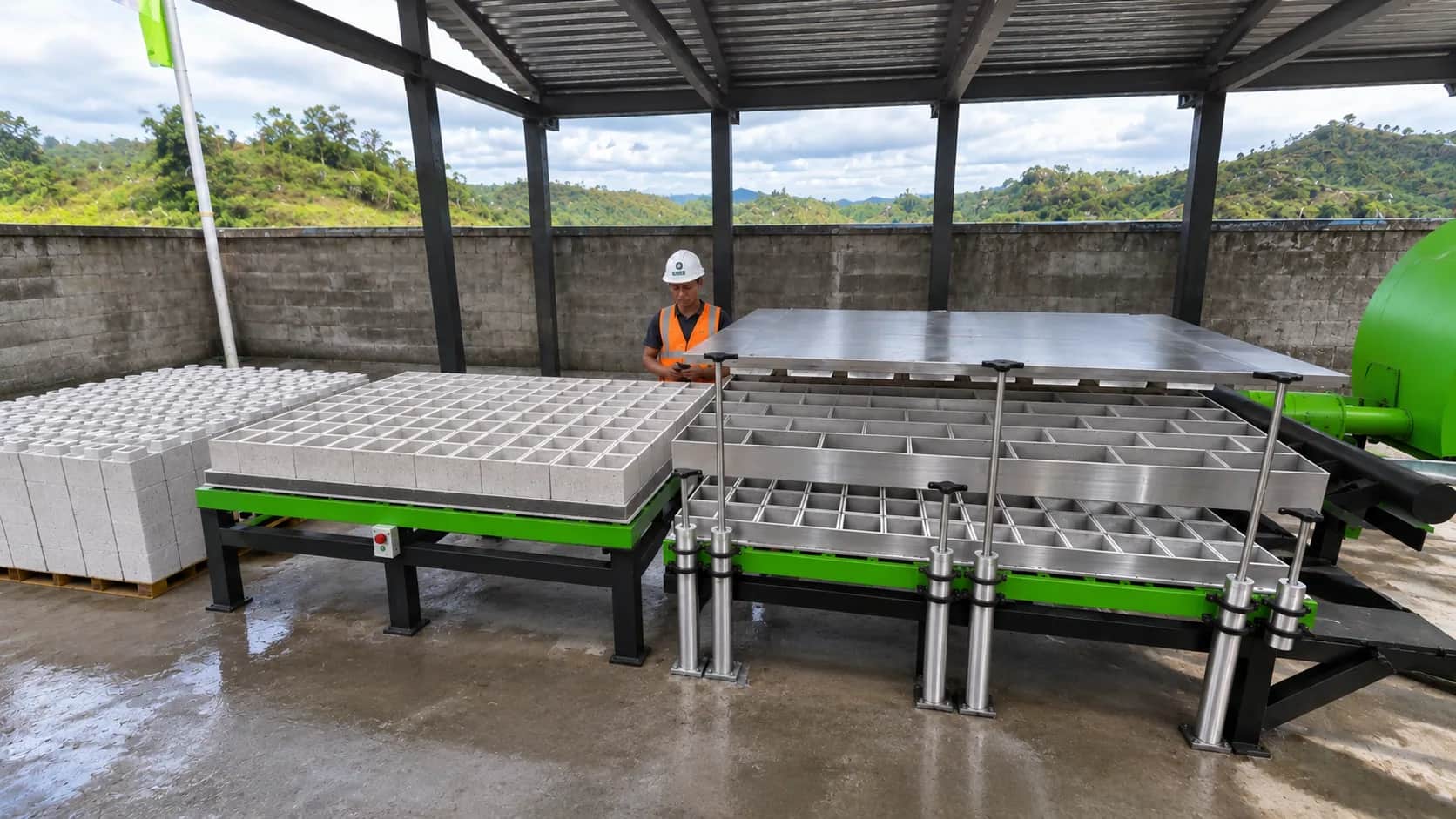
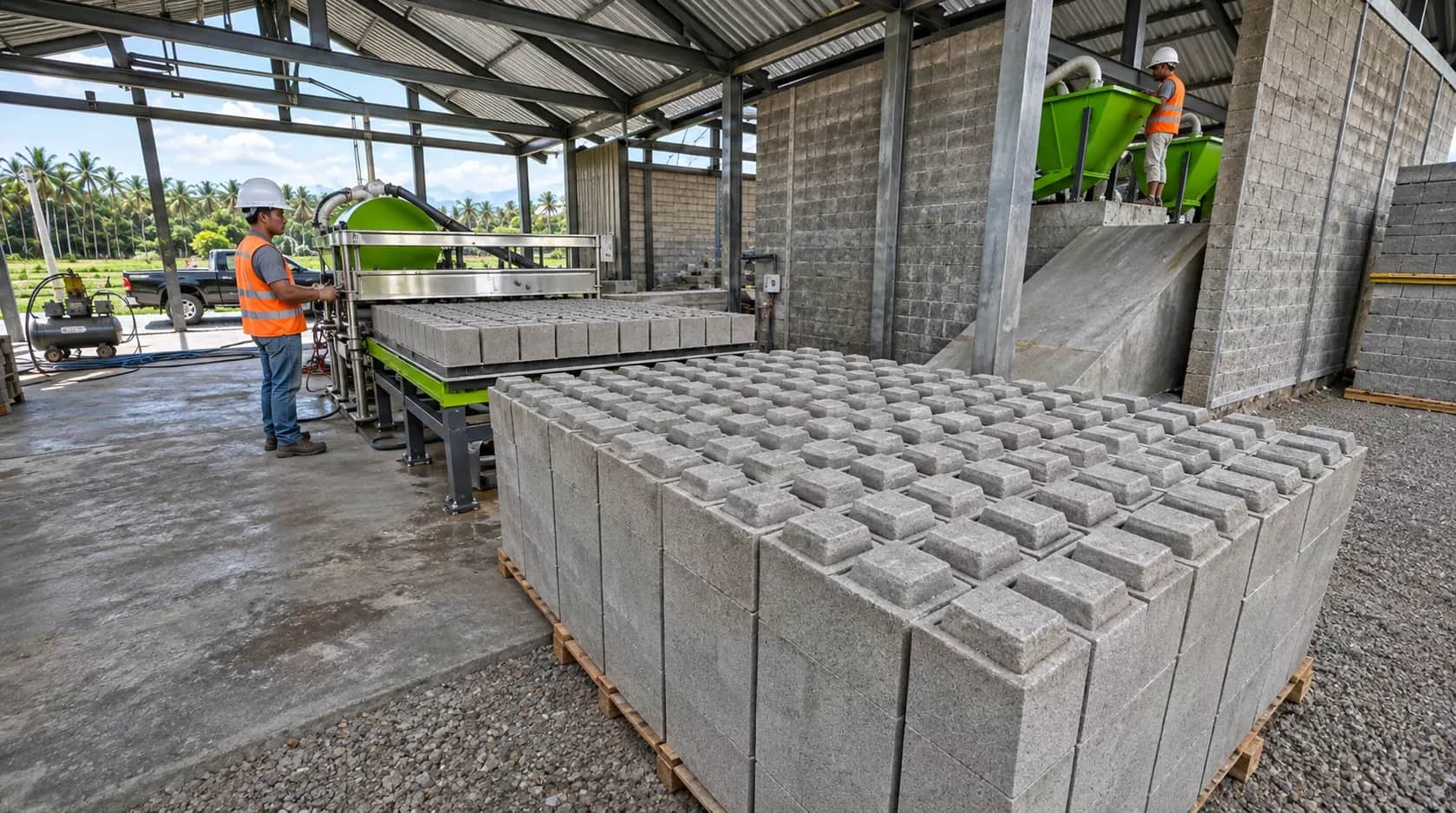
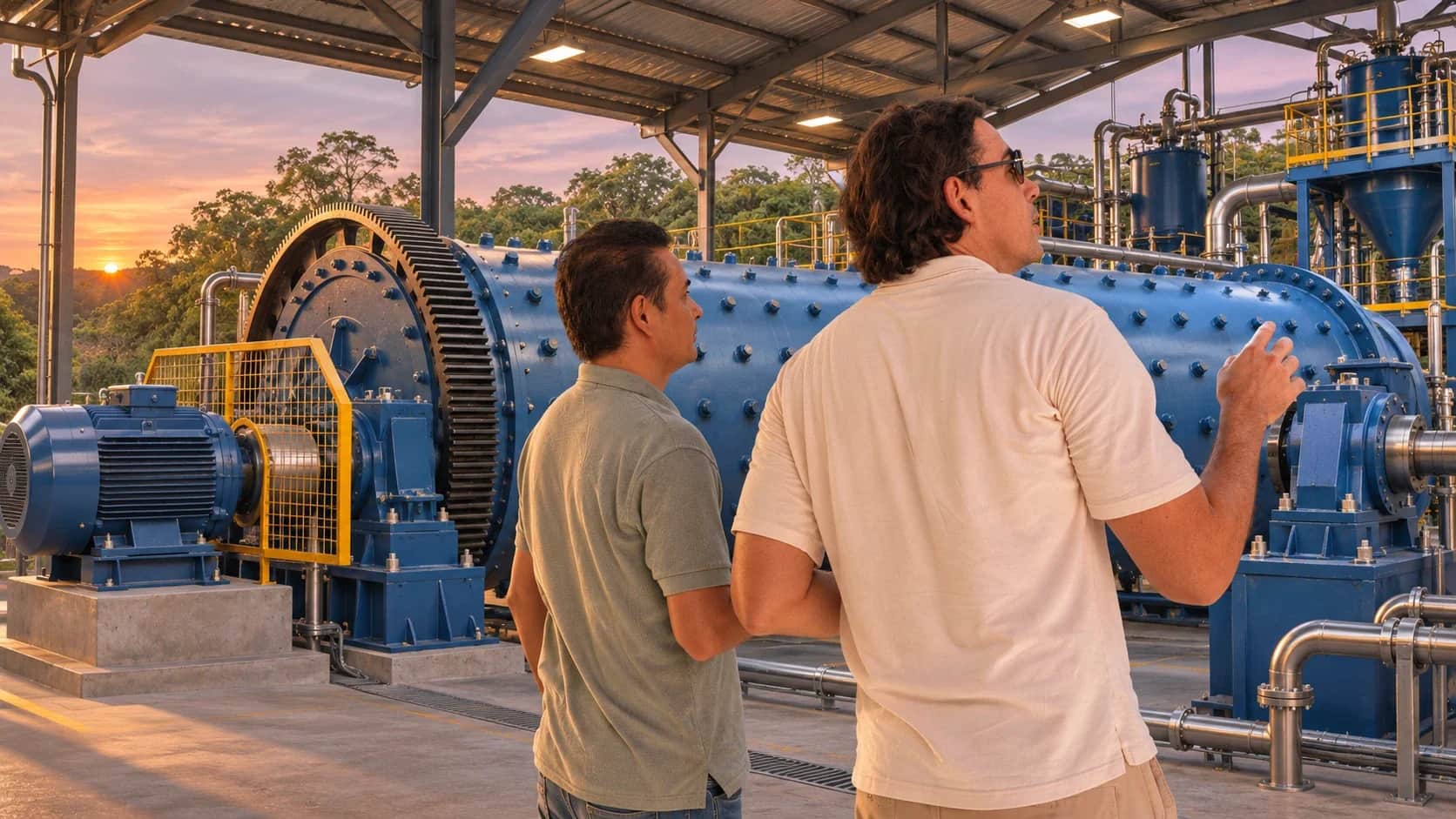
Our flagship ESMI 10-tonner setup cleans old mine waste without adding mercury or cyanide. ESMI microbes flow through the whole plant: they make the old mercury solid so it can be removed, and they break down the cyanide. Along the way the plant recovers gold, silver, platinum, palladium, titanium and other minerals. Everything that is left is pressed into bricks, so nothing goes back on the heap. The plant runs on wind and sun, backed up by the national power grid.
- 10 t/hmine waste treated
- 49,640 tcleaned per year
- 26permanent jobs on site
Start here
I am …
Choose your role. Each route takes you past three pages and ends with one step.
Funder or development bank
Results per dollar, open books, payment per verified tonne.
Talk about fundingGovernment
Clean land, legal jobs, Minamata targets, no burden on the budget.
Propose a siteLandowner or cooperative
Your land cleaned and returned, with work and income for the village.
Register your landInvestor
A 10-tonner from USD 1.7 million, with a fee per tonne.
Invest in a 10-tonnerResearcher or journalist
Sources, methods, open data and the press kit.
Press kitSomething else
Which of these fits you best? It helps us learn who we should be talking to. No name or e-mail needed.
The problem, province by province
Where the waste lies. More than 93,000 ha of land is covered with waste from gold mining. The lighter the province, the more waste land it holds.
Gold waste land (ha)
- 1–50
- 50–200
- 200–1,000
- 1,000–5,000
- 5,000–20,000
- ≥ 20,000
- None found
- No mining areas in the scan
- ⚠ Second scan round, older images still being checked
Real gold-mining waste ground, best estimate (P50) per province. The provinces add up to 93,514 ha; the national estimate is about 93,500 ha (87,800–96,100).
ESMI national report on Indonesia’s mine waste, Appendix M
Watched from space ·
Forest cleared near mining, newest alerts
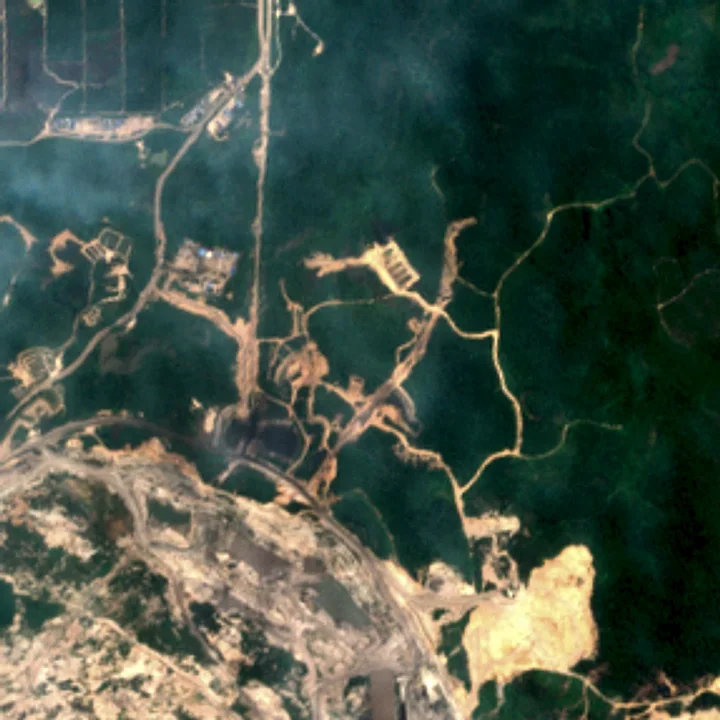
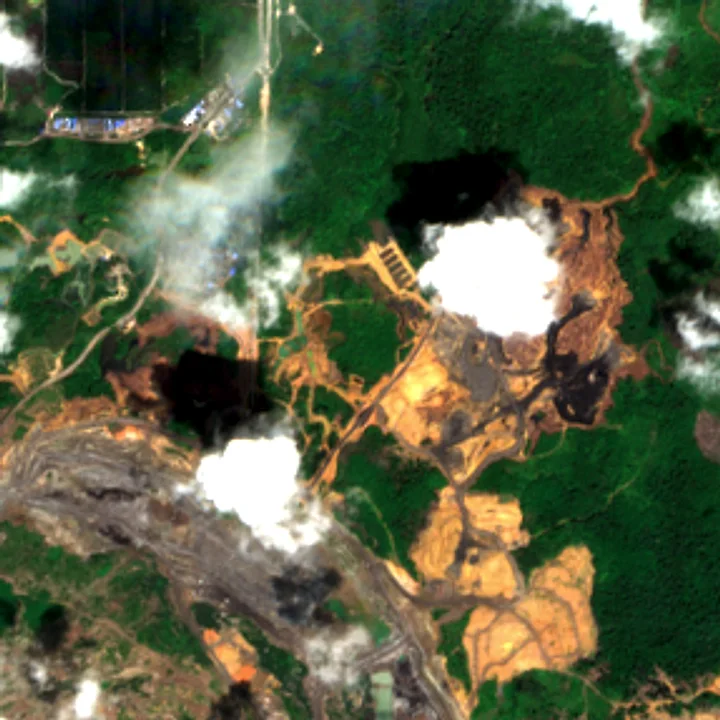
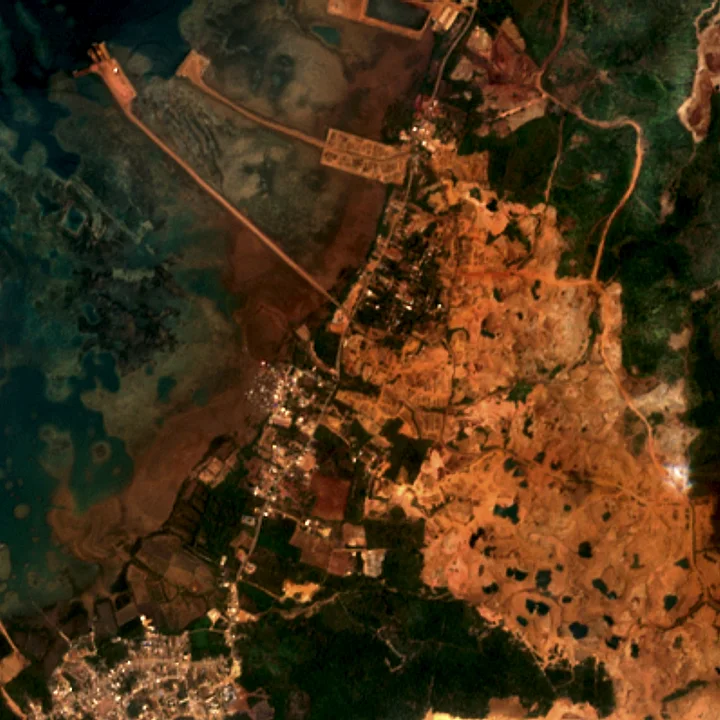
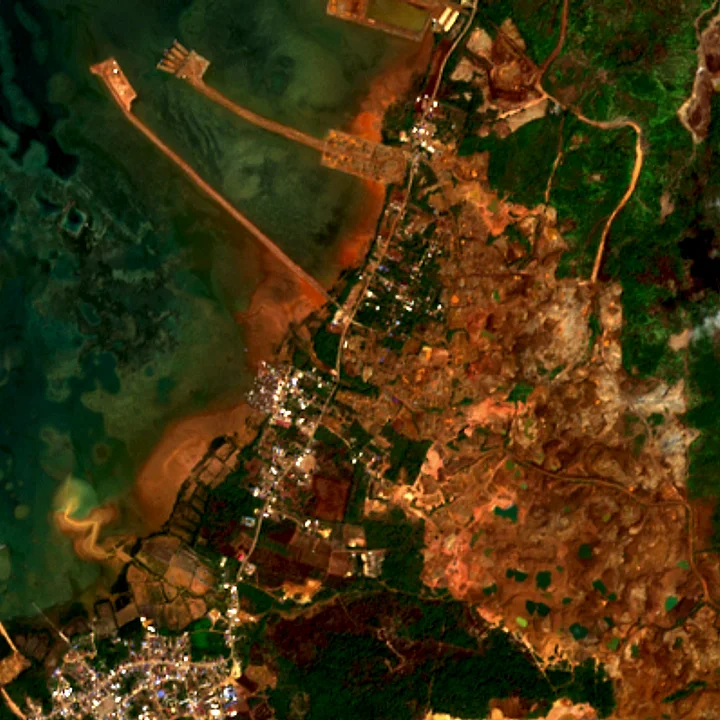
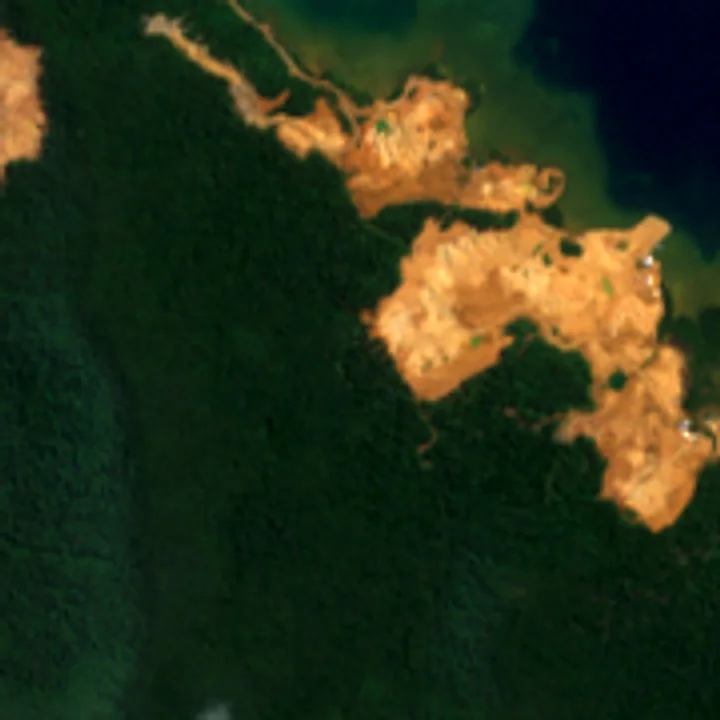
Every day ESMI checks satellite forest-loss alerts for the 1,448 mapped mining areas in Indonesia. These are the largest new clearings from the alerts of 25 October 2026 to 14 November 2026, in satellite images from before and after.
 Before · 29 August 2026After · 17 November 2026

BulunganNorth Kalimantan
2.6 ha of tree cover lost
- Inside a mining permit
- Satellite model: mining
Image width 2.9 km. Red: alert pixels.
 Before · 2 October 2026After · 18 November 2026

KolakaSoutheast Sulawesi
1.3 ha of tree cover lost
- Outside a mining permit
Image width 4 km. Red: alert pixels.
 Before · 25 April 2026After · 11 November 2026
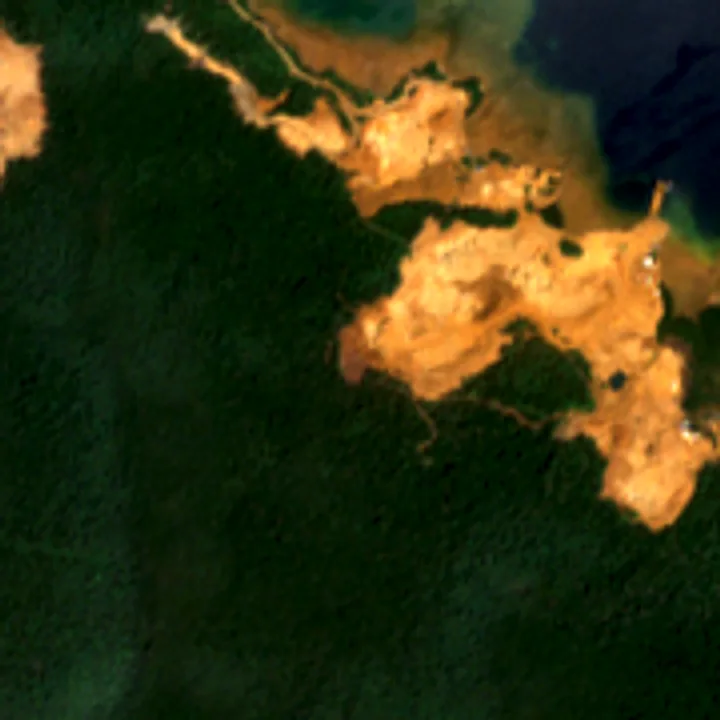

Konawe UtaraSoutheast Sulawesi
0.6 ha of tree cover lost
- Inside a mining permit
Image width 1.8 km. Red: alert pixels.
Last 30 days: 232.1 ha near 60 mining areas in 19 regencies.
All alerts by regencyMonthly report, October 2026An alert is a satellite signal that trees were lost; it does not prove the cause. Images: contains modified Copernicus Sentinel data (Sentinel-2). Alerts: Global Forest Watch (GLAD-L, GLAD-S2, RADD). Permits: GFW concession map, ministry data 2021; holders from the ministry permit register, named only where most of the alert lies inside the concession, which does not prove who cleared it. Cause: Wageningen University drivers model.
Before and after the clean-up
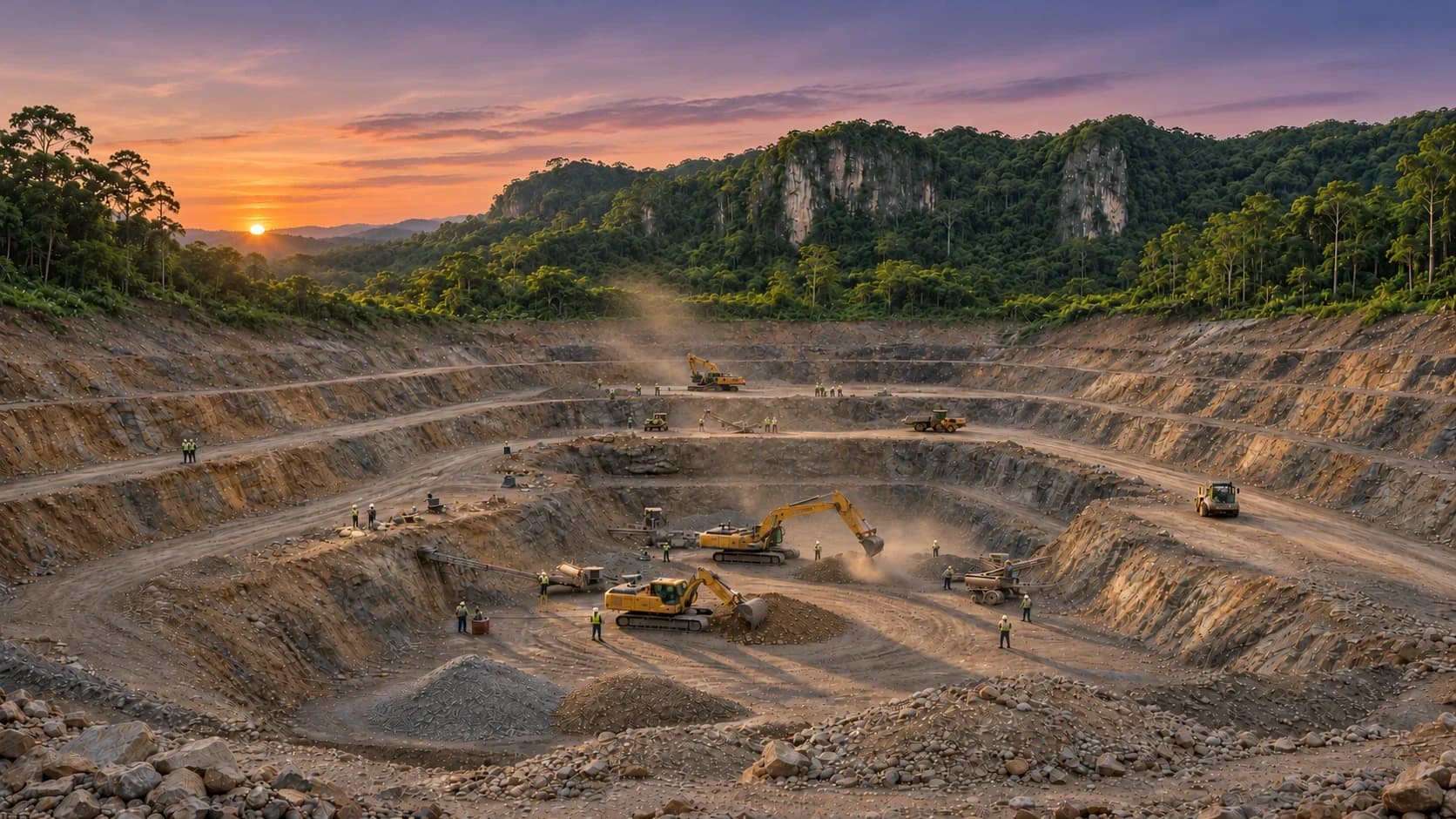
From a poisoned mine pit to land people use again.
Slide the line to compare. On the left is an old gold-mine pit, full of waste that still holds mercury and other toxins. On the right is an illustration of the same place after the clean-up. The land returns to the village once tests show the soil and water are safe, and the village decides what it becomes: forest, fields, a park or something else.

Documentary
The Story of Banga
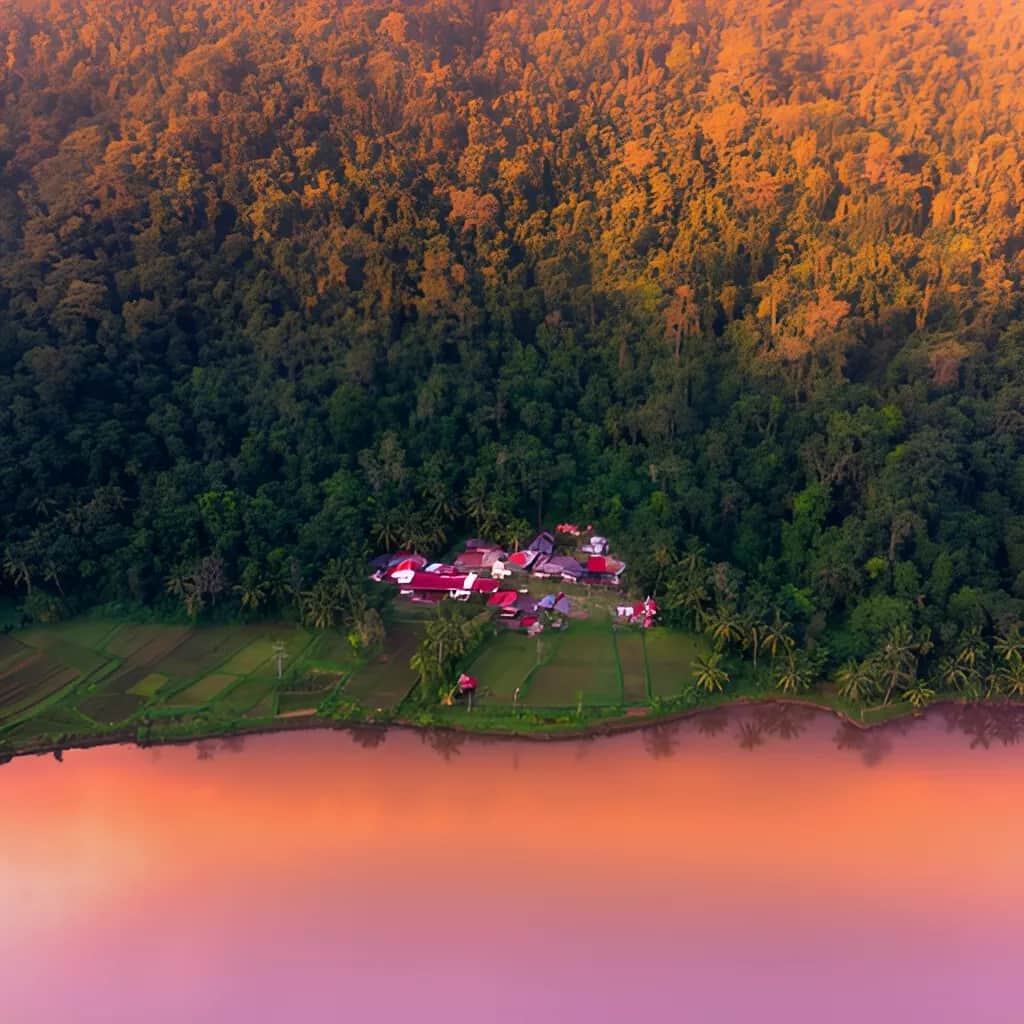
A village in North Sulawesi, a river and the people who live with the consequences of illegal mining. Field context, not a restoration result.
Pilot Bolmong · live
The pilot has started. Six tests decide what comes next.
In Bolaang Mongondow, North Sulawesi, the province has allocated 100 ha for the first ESMI site. The cooperative is being built, two small machines start on the richest heaps, and every test result is published here. The clean-up plan for the heaps is ready: each heap is split into cells that are scanned and sampled with the ESMI XRF software.
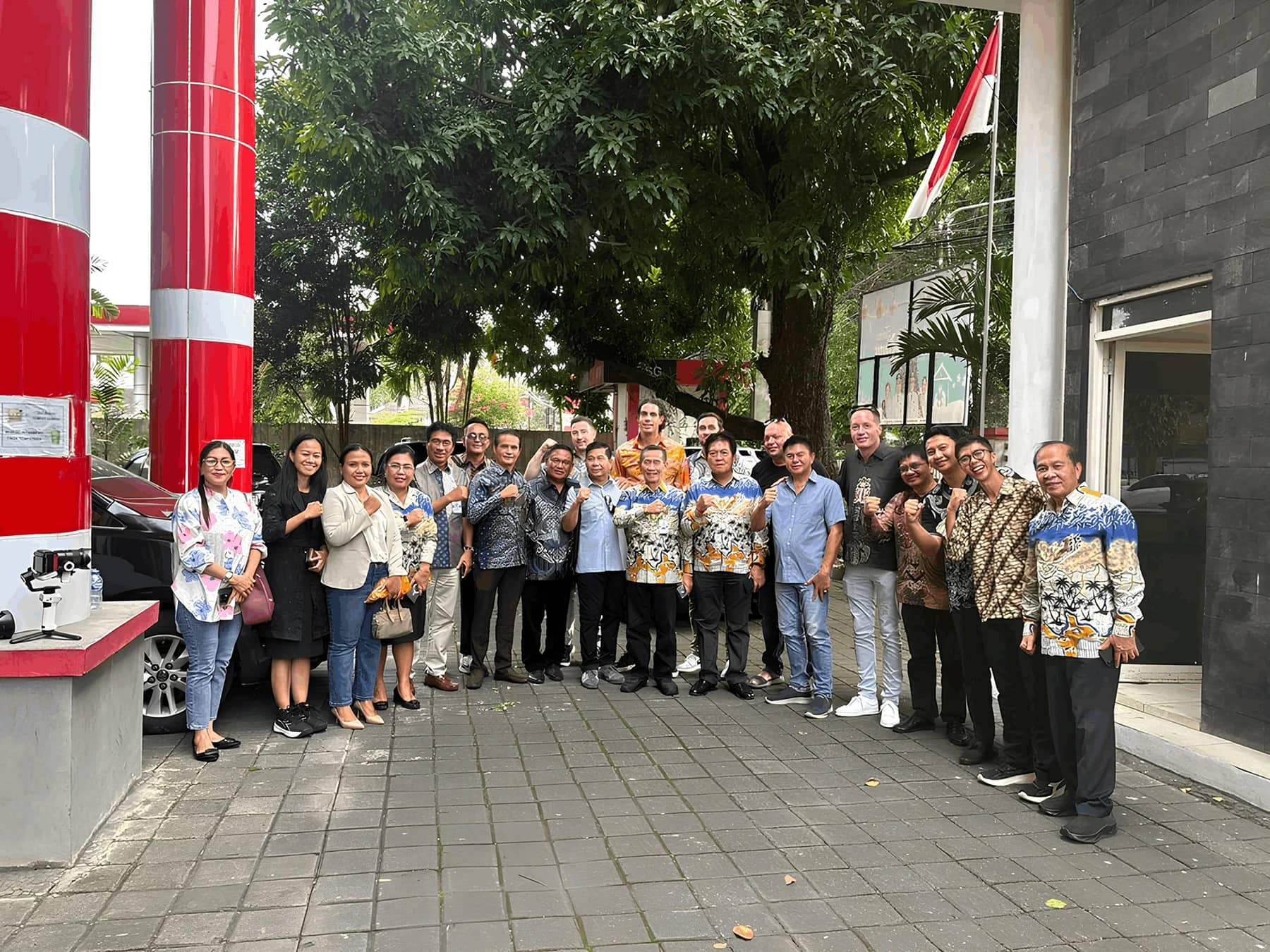
Prof. Jeroen Rijnenberg explains the clean-up strategy at the permit map of the pilot area in East Bolaang Mongondow.
Plan and financing
From one machine to a national programme.
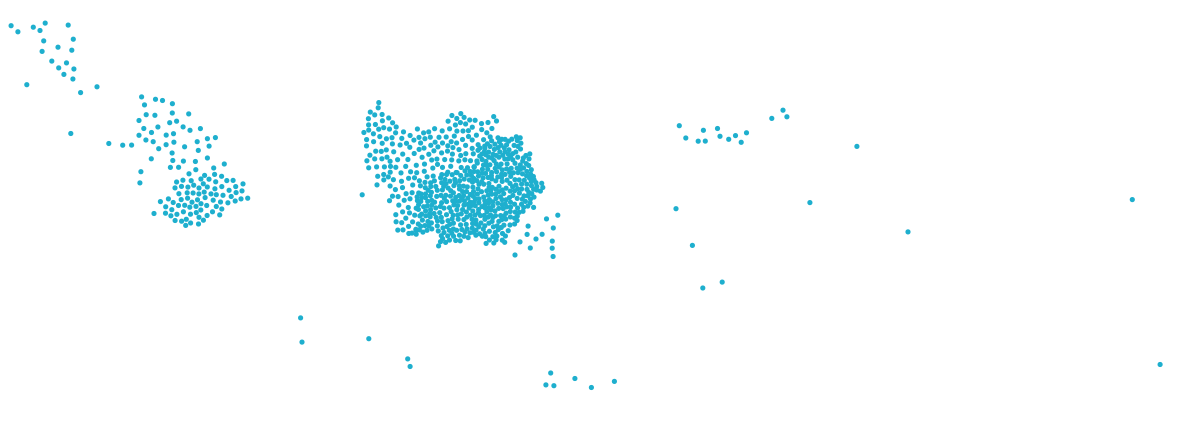
Point at or tap a province.
The programme
From one machine to 800, phase by phase.
The full programme 2027–2036Financing for institutions
The request: a first phase of USD 40.7 million.
How the financing worksFor investors
Finance a 10‑tonner. Put a clean‑up unit to work.
Invest in a 10-tonnerSafeguards
People first: legal work, consent and equal opportunity.
All safeguards
Partners
Delivered together with Unisma, governments and villages.
ESMI brings technology, machines and funding. Universitas Islam Malang (Unisma) leads the science: field verification, students on site, microbe culture and publications. Local companies and cooperatives provide crews and sell the bricks. Government designates sites and grants permits.
Province of North Sulawesi
First government partner. The province allocated 100 ha for the pilot site and receives the same data as the funders.
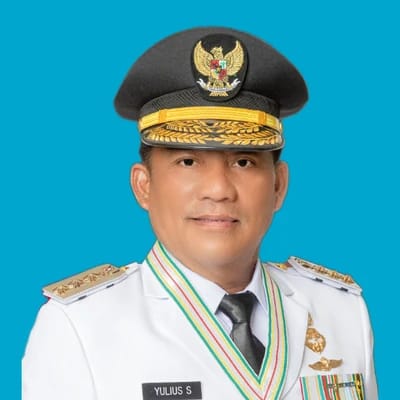 Yulius Selvanus KomalingGovernor of North Sulawesi
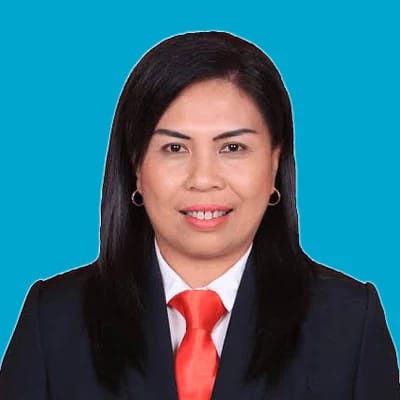 Ir. Hermina Syaloom Dailly Korompis, SP, M.Sc.North Sulawesi provincial government
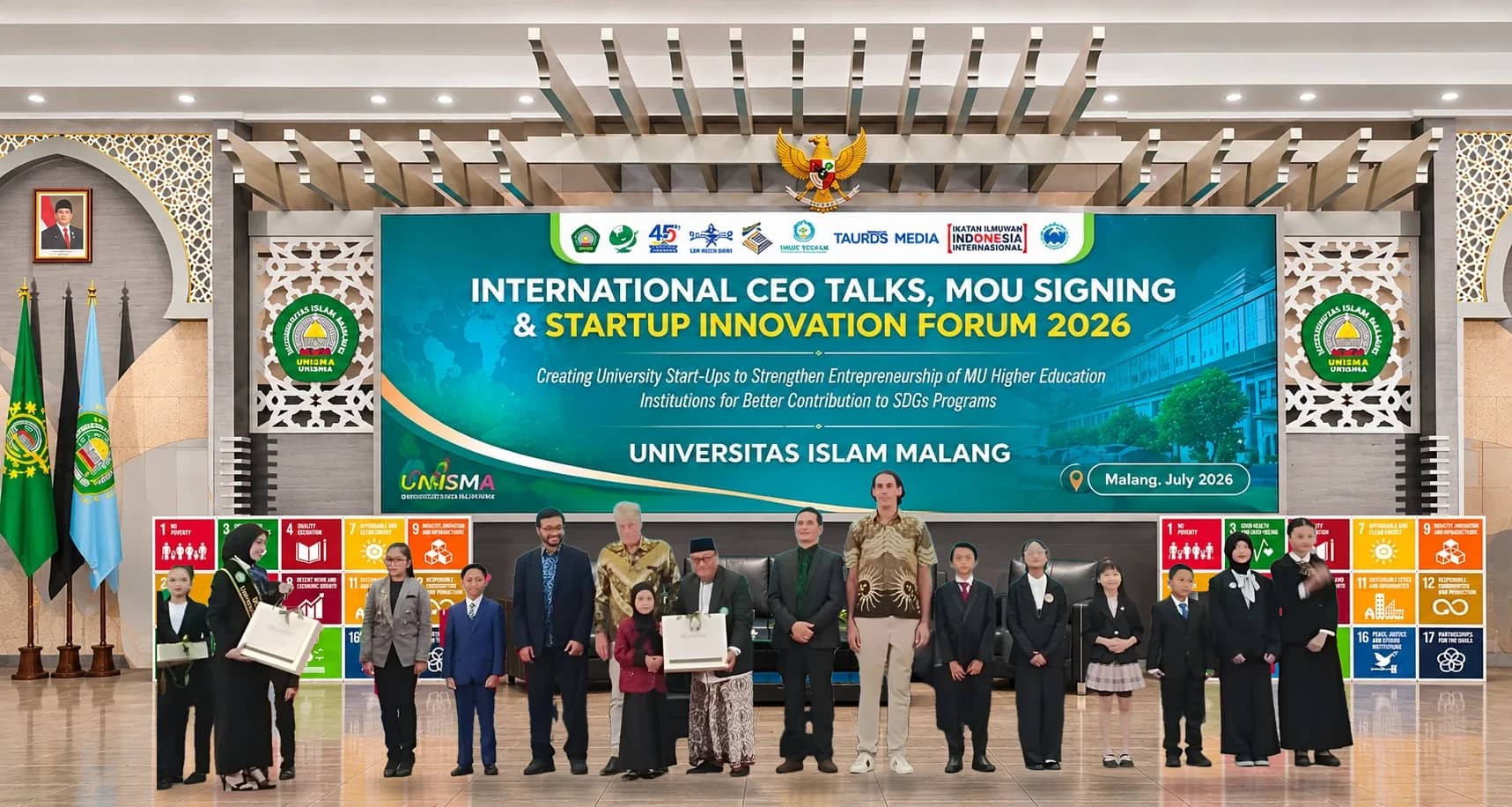
Universitas Islam Malang (Unisma)
Leads the science: field verification, students on site, microbe culture and publications. Its accredited lab checks one in ten samples.
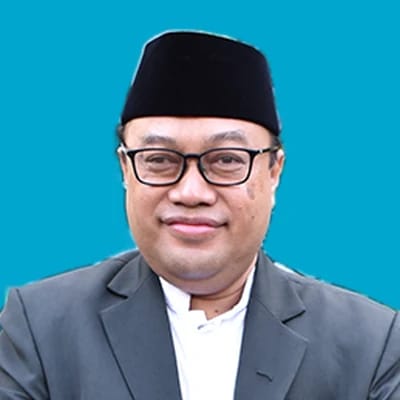 Prof. Drs. Junaidi, M.Pd., Ph.DRector of Unisma
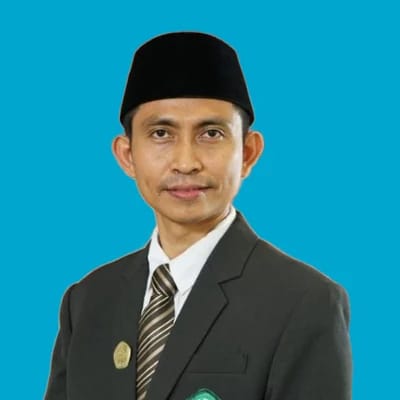 Dr. Imam Wahyudi Karimullah, S.S., M.A.Leads Unisma’s partnership with ESMI
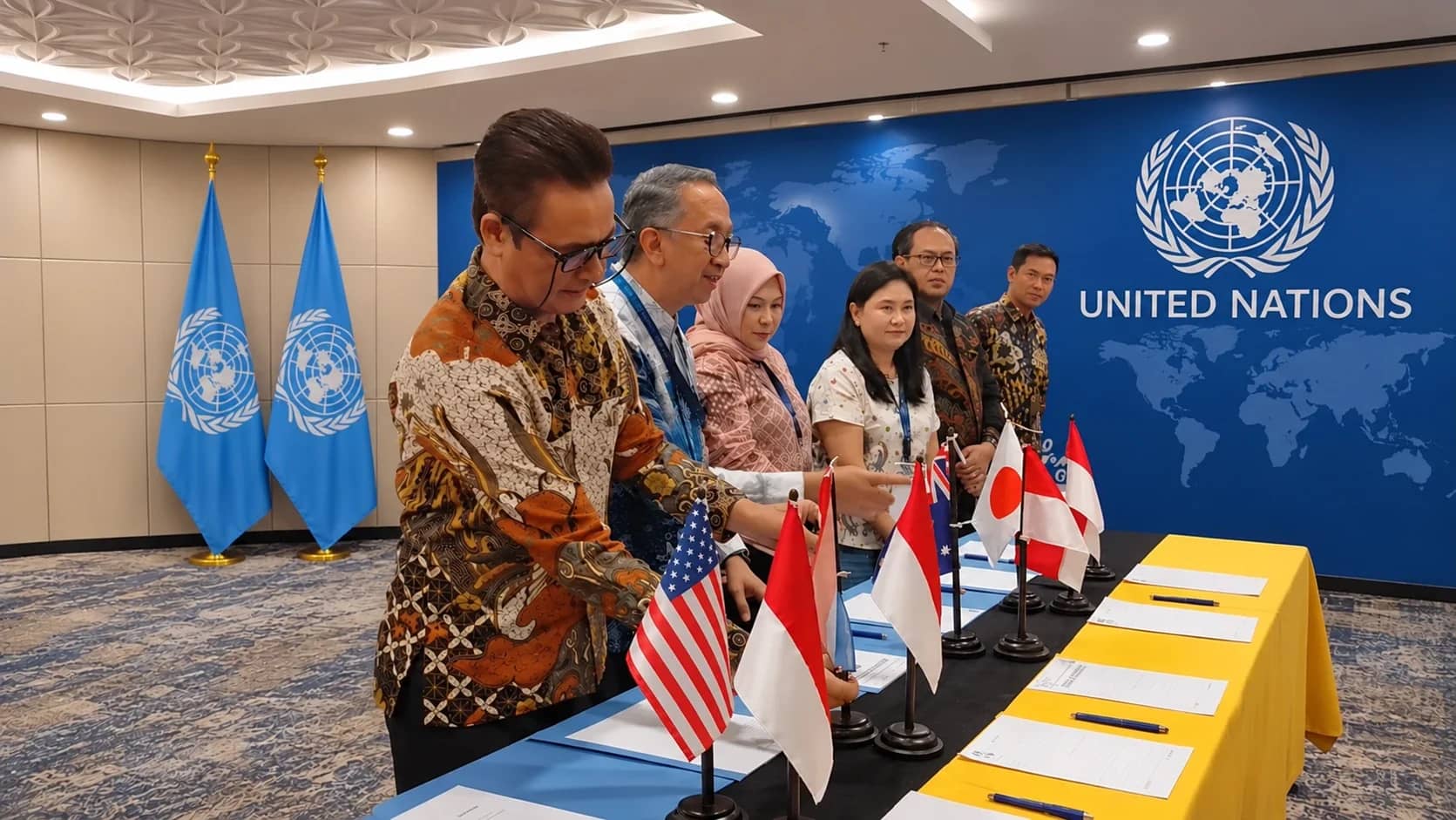
SBDI Foundation
Co-founder of ESMI and participant in the UN Global Compact since 2021, committed to its Ten Principles.
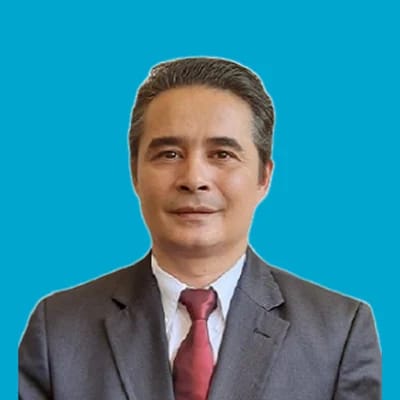 Prof. Jeroen RijnenbergFounder of SBDI; co-founder of ESMI
UN Sustainable Development Goals
The programme contributes to all seventeen UN goals.
In 2015 all 193 member states of the United Nations agreed on 17 goals for a better world by 2030: no poverty or hunger, good health, education, clean water and decent work for everyone, and protection of the climate, the seas and the land. These are the Sustainable Development Goals, or SDGs. The clean-up contributes to all seventeen. For each goal the programme names what it does and how progress is measured.
Sustainability policy
SBDI Foundation is responsible for ESMI’s sustainability policy.
SBDI Foundation, co-founder of ESMI, sets and checks how ESMI is run, so that the clean-up is as sustainable as a business can be: for the people near the waste, for nature and for the long term.
After the clean-up, landowners and cooperatives decide how the land is used. SBDI brings the experience, technology and partners to set it up well, from forest and cassava to fruit, coffee, fish ponds and eco-parks.
- UN Global Compact since 2021
- Food security in Indonesia and Africa
- Restored land planned with the village
Gotong royong
The pilot is under way. The next step is scale.
The pilot in Bolmong has started. ESMI is now raising large-scale funding to clean up Indonesia’s mine waste. Investors can start with one 10-tonner (USD 1.7 million).
ESMI also works as a hired partner. Mining companies and cooperatives can bring in ESMI to upgrade an existing plant with its microbes and methods, so it recovers more and can move away from mercury and cyanide.