
2026
Richest heaps first
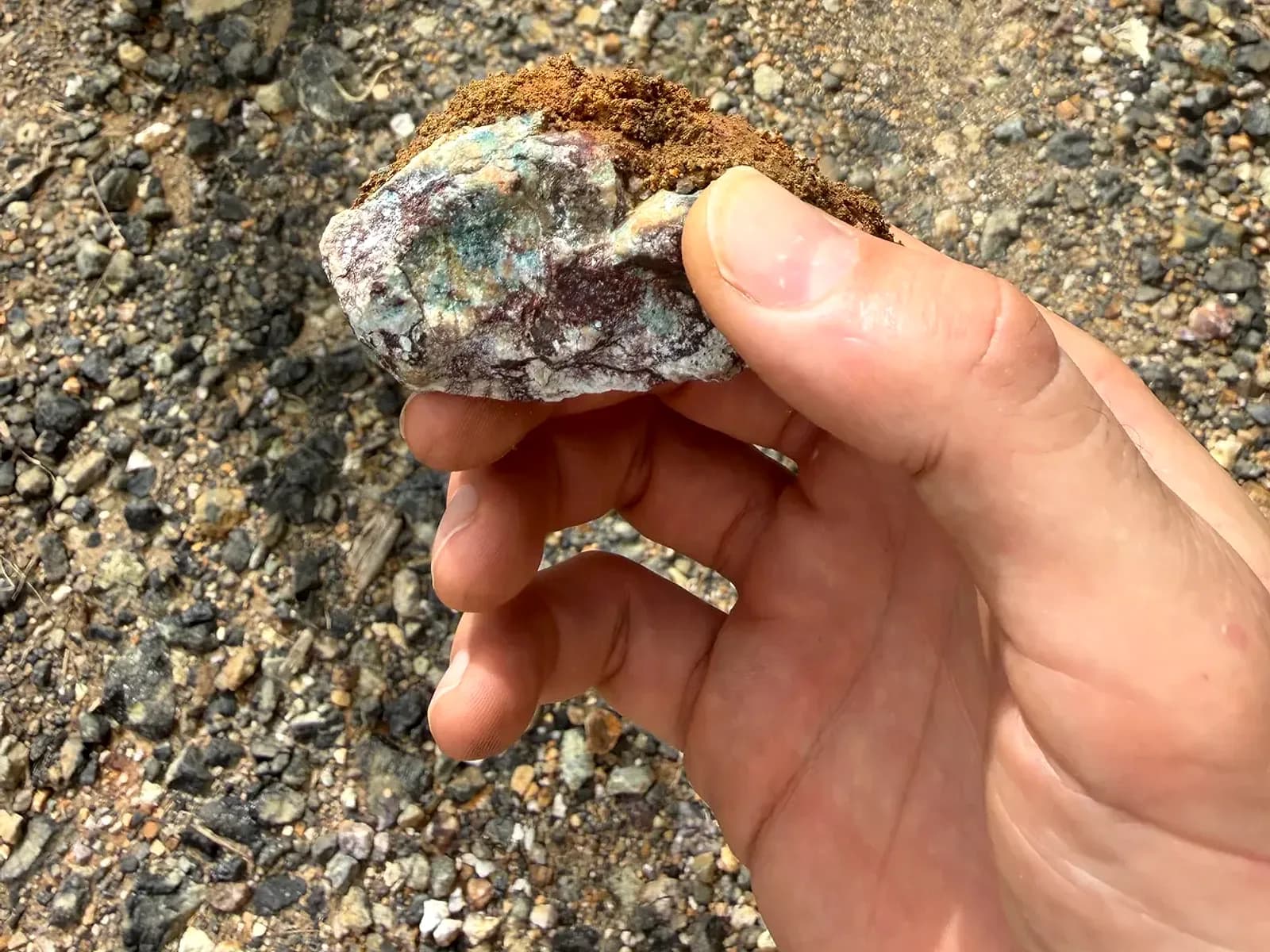
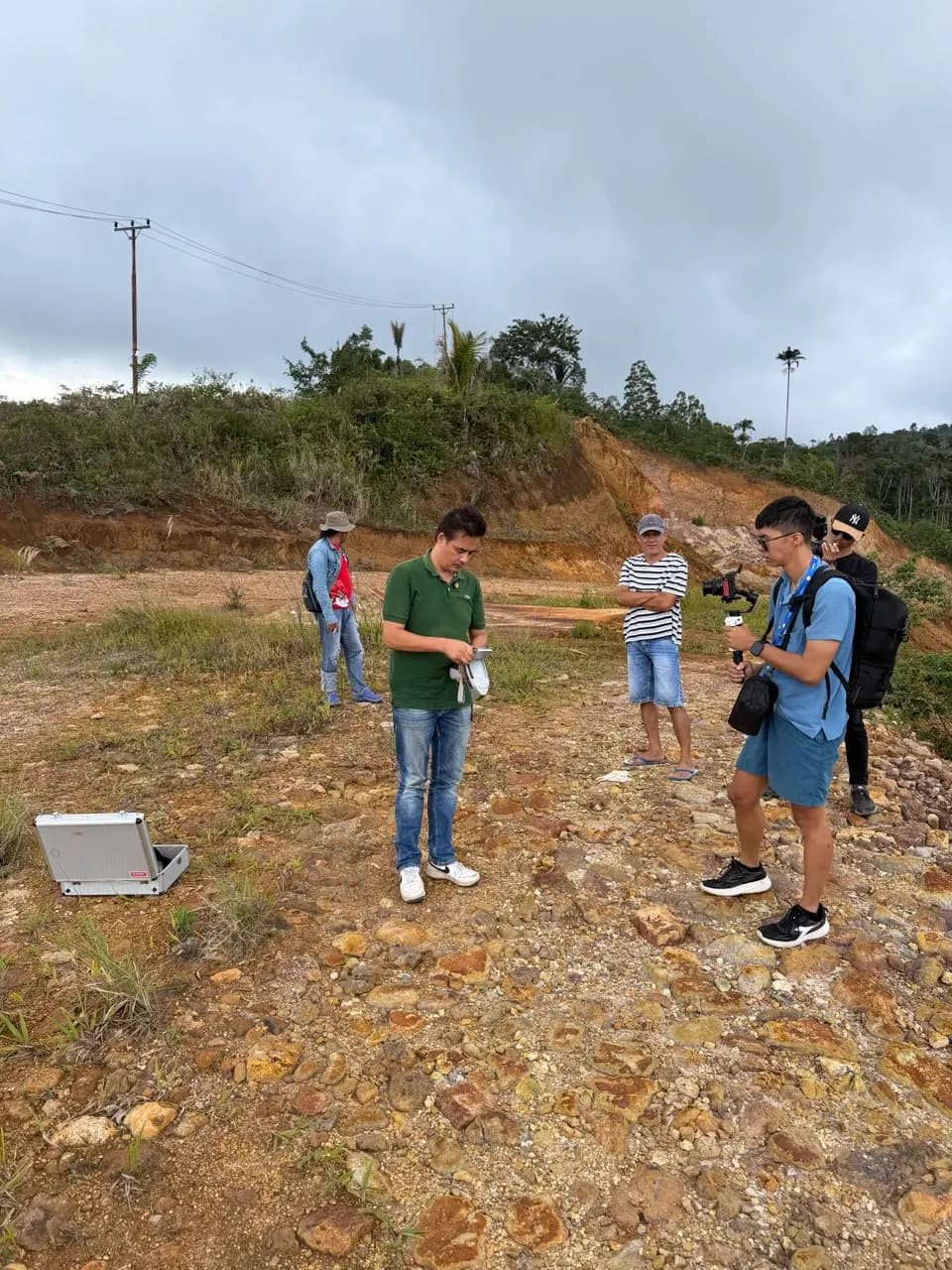
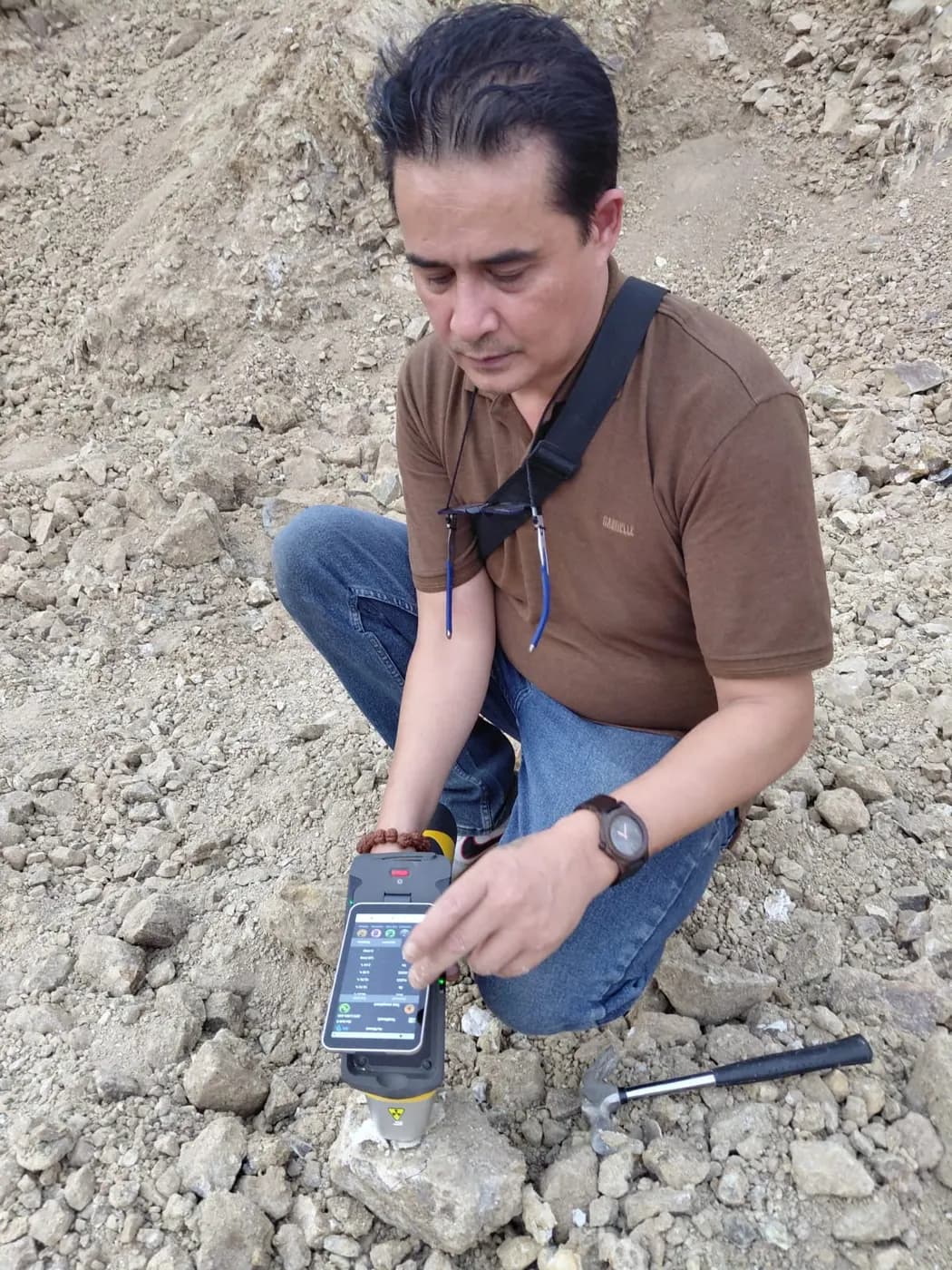
Two small 0.5 t/h machines start on the richest heaps. Samples are screened with XRF in the field and measured in the lab.
Pilot Bolmong · live
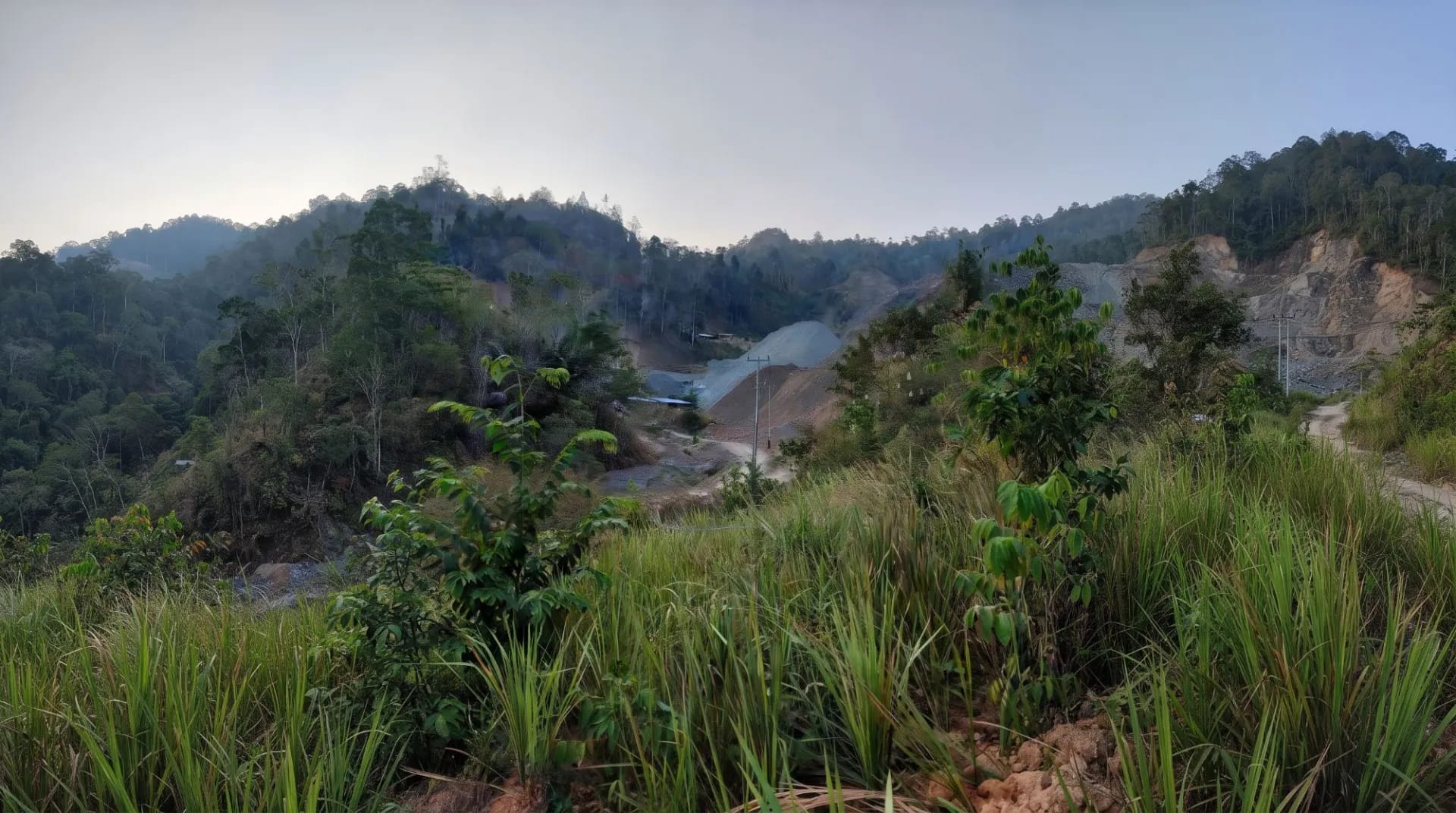
In Bolaang Mongondow, North Sulawesi, the province has allocated 100 ha for the first ESMI site. The cooperative is being built, two small machines start on the richest heaps, and every test result is published here. The clean-up plan for the heaps is ready: each heap is split into cells that are scanned and sampled with the ESMI XRF software.
The pilot in numbers
100ha
allocated by the Province of North Sulawesi for the pilot site
Provincial allocation, 2026
2× 0.5 t/h
small machines that start on the richest heaps first
ESMI pilot plan, 2026
6
public tests the pilot must pass before any scale-up
ESMI pilot protocol
1
first 10-tonner, to follow once the pilot succeeds and funding is in place
ESMI programme plan
Status board
Each test has a target that is set before the work starts. A test moves to “Result published” only when the lab has confirmed the result and the report is online.
Results are published per test, including negative results. XRF (a handheld X-ray scanner that reads metals in seconds) screens samples in the field; the lab measures. One in ten samples is checked by the accredited Unisma lab.
Timeline
2026
DoneThe Province of North Sulawesi allocates 100 ha for the pilot.
2026
Under wayThe local cooperative (KUD) is set up to run the work with ESMI.
2026
NextTwo 0.5 t/h machines start on the richest heaps first.
2027
NextOnly if the six tests pass and funding is in place.
2027
NextScreening and lab work to prepare the next sites.
How the pilot works
The pilot runs the full ESMI chain at small scale, so every step can be checked before money goes into large machines.
Field diary
Short entries from the pilot, added as the work moves on. No coordinates and no names: the site and the people on it are protected.
Two small 0.5 t/h machines start on the richest heaps. Samples are screened with XRF in the field and measured in the lab.
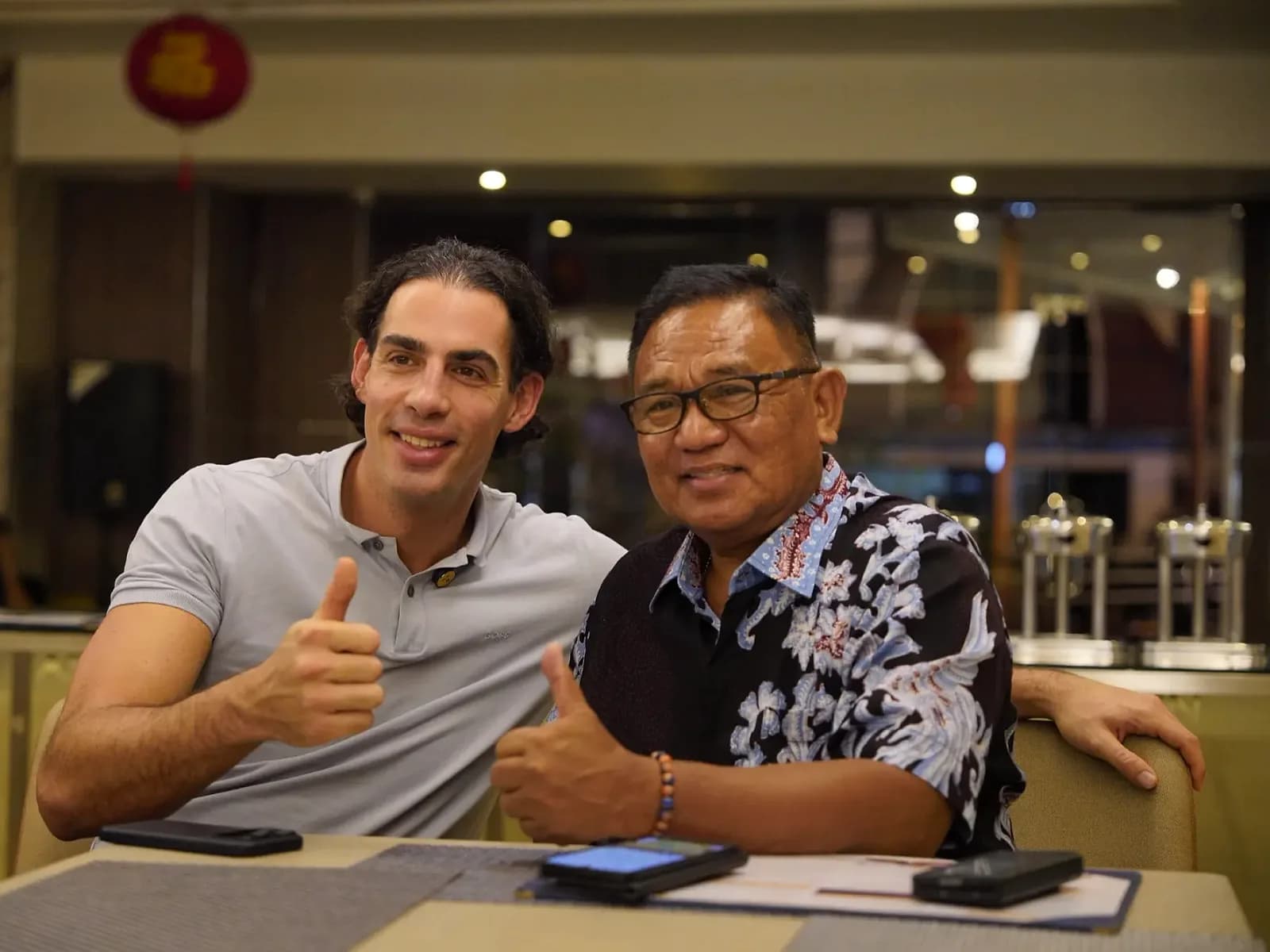
The local cooperative (KUD) is being built. It will run the work on site with ESMI, with crews from the surrounding villages.
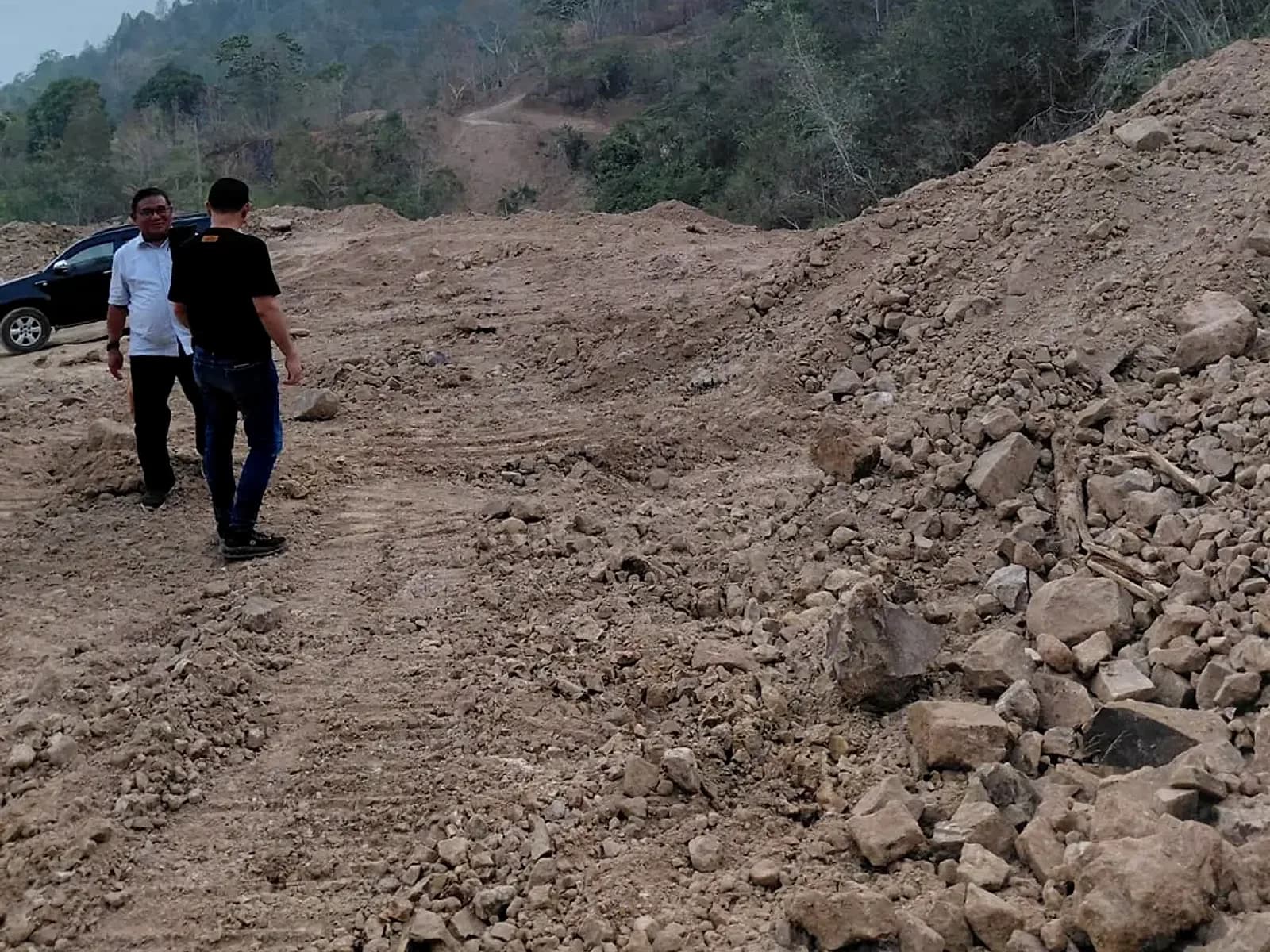
The Province of North Sulawesi allocates 100 ha for the pilot. The site is walked on foot before any plan is drawn.
New entries follow as the pilot moves on. Test results appear on the status board only after lab confirmation.
No scale-up on promises. The pilot either proves it, or we change the method.
Gotong royong
The pilot in Bolmong has started. ESMI is now raising large-scale funding to clean up Indonesia’s mine waste. Investors can start with one 10-tonner (USD 1.7 million).
ESMI also works as a hired partner. Mining companies and cooperatives can bring in ESMI to upgrade an existing plant with its microbes and methods, so it recovers more and can move away from mercury and cyanide.