
About ESMI
Mining left mercury in Indonesia’s rivers. We turn that legacy into clean land, fair work and open books.
ESMI is an Indonesian initiative of PT Eko Vitaris International and SBDI Foundation, launched in 2025. We work with Unisma, provinces, regencies, cooperatives and villages: gotong royong, together for one goal.
From the field
A message from a mine site
Recorded in a polluted mining area in North Sulawesi, 2026. Click to play, with sound.
What ESMI stands for
Eco Sustainable Mining Initiative
- E
Eco
Nature first: mercury made solid and removed, cyanide broken down, land restored with native species.
- S
Sustainable
Nothing is left behind: all the sand, bound with cement, becomes bricks, and the work keeps paying for itself through fair fees, not through new damage.
- M
Mining
We know mining from the inside, and we put that knowledge to work on its waste and on legal, mercury-free small-scale mining.
- I
Initiative
Someone has to start. ±92% of the gold waste land lies outside any permit, so no one is bound to clean it up. We organise the work and bring the funding together.
Our mission
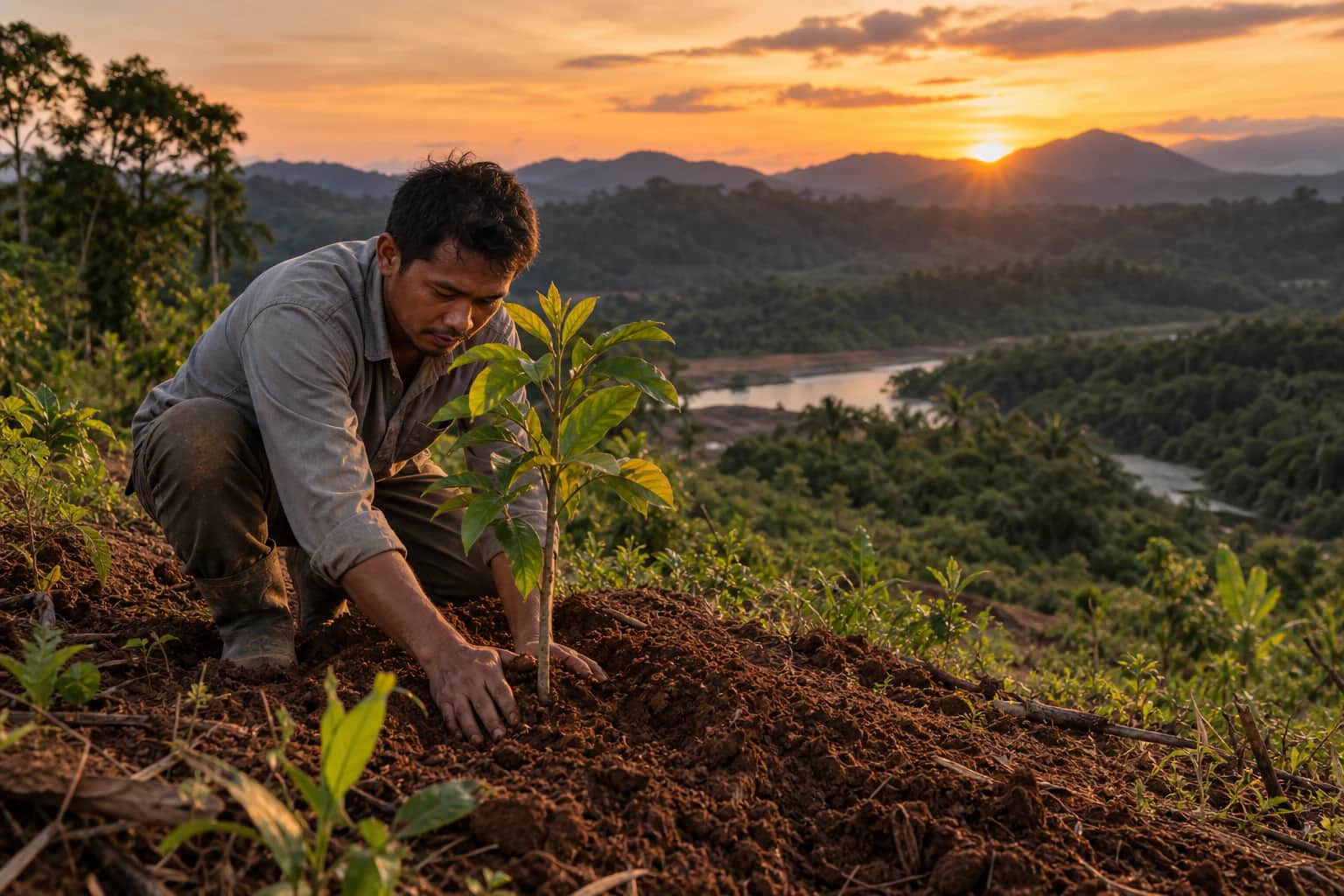
Clean up Indonesia’s mine waste where it lies, safely and measurably, and give the land, the work and the income back to the people who live next to it.
Our vision
By 2036 all mercury- and cyanide-bearing gold-mine waste in Indonesia is cleaned up, mining towns have clean rivers and legal work, and Indonesian know-how and machines help other countries do the same.
Why it matters
Each clean-up answers more than one problem.
A heap is never just a heap. Each site touches health, work, money, trust and nature at once.

Mercury and cyanide pollution
Microbes make the mercury solid so it can be removed and stored safely; cyanide is broken down; rivers, rice and fish carry less poison.
Deadly, illegal mining
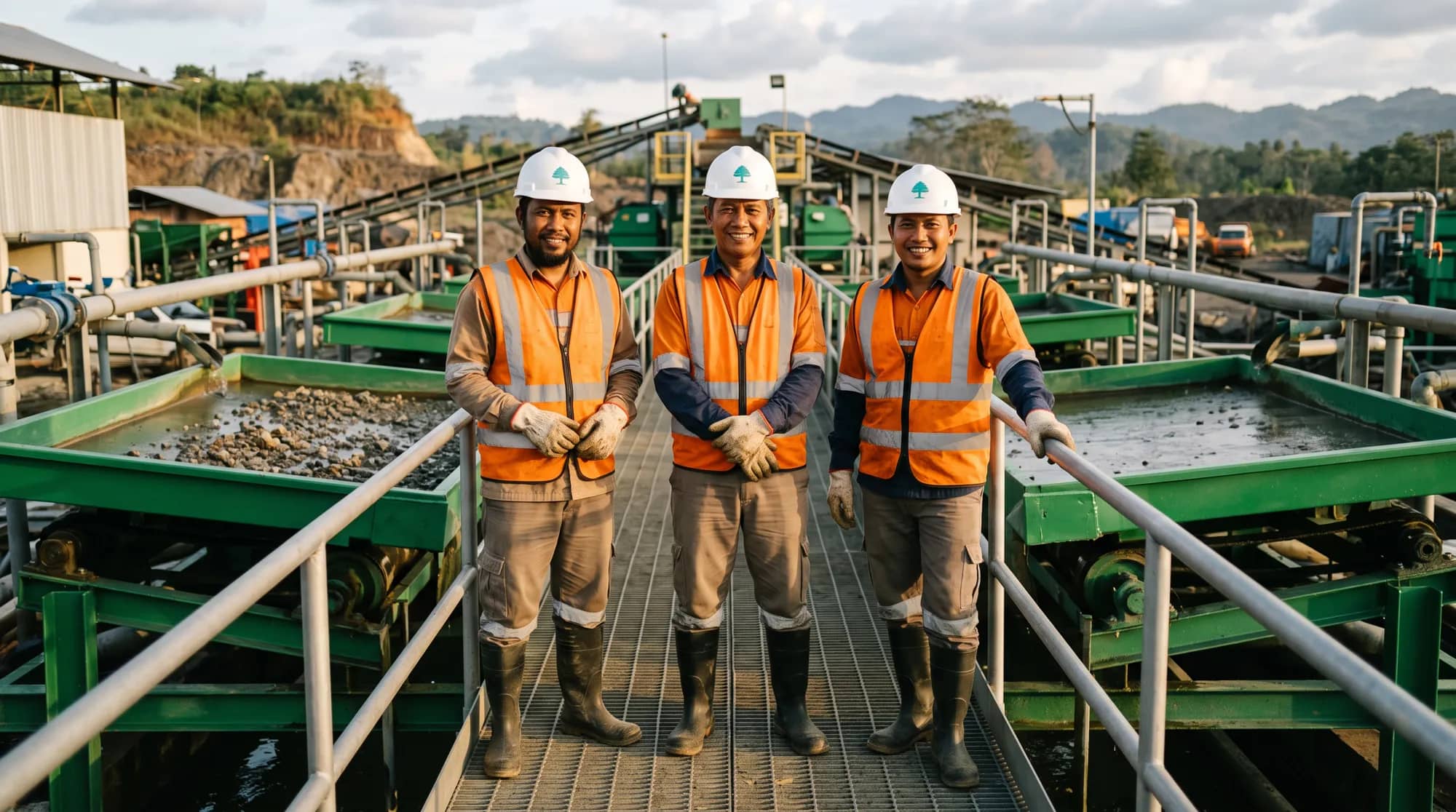
Former miners get safe, legal jobs with a 40-hour week, protective equipment and medical checks. Legal community mining areas and permits (WPR/IPR) offer a mercury-free alternative.
Unfair distribution of revenue
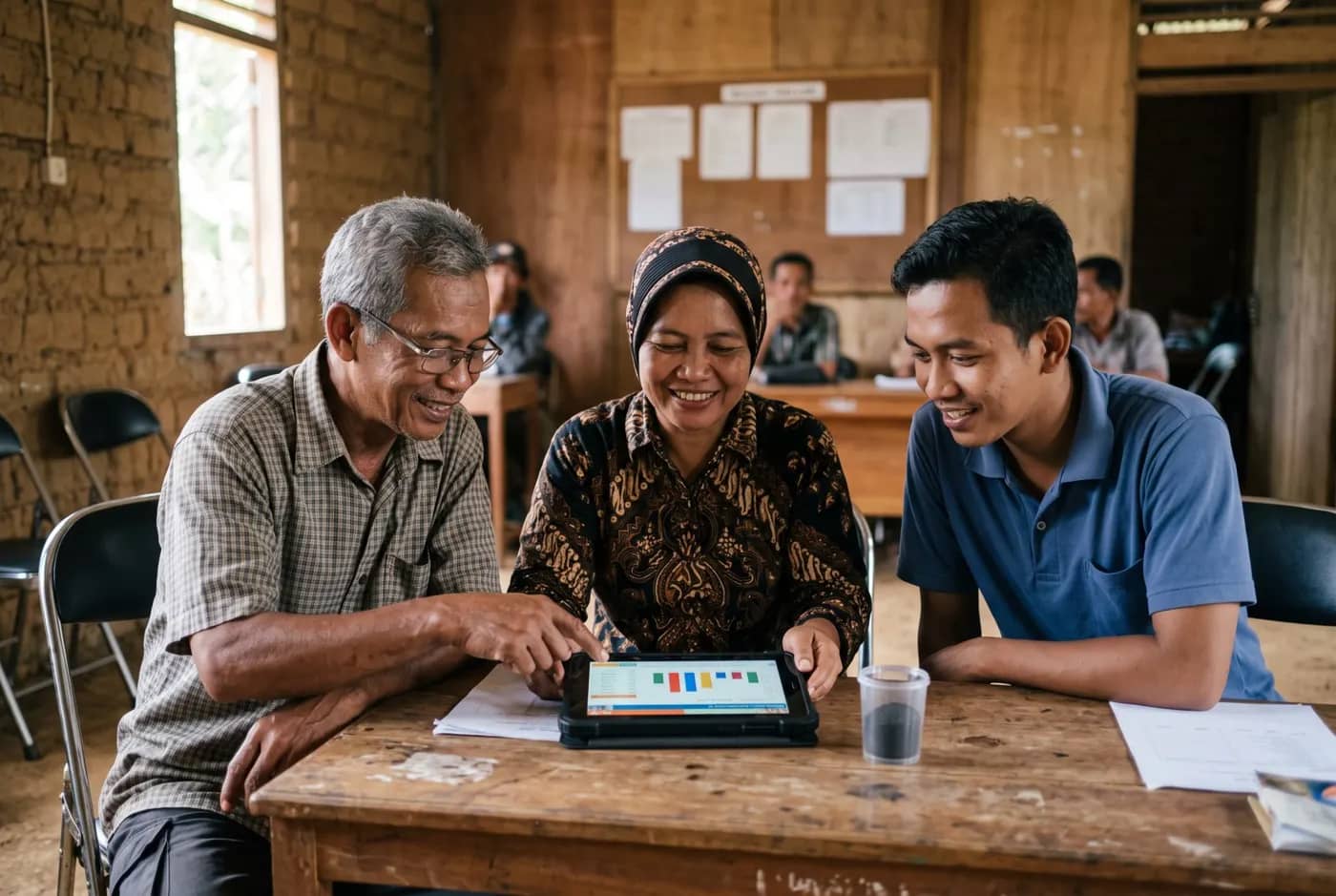
Where metal is recovered, a share goes to the cooperative, landowners and the province, agreed per site and reported publicly every year.
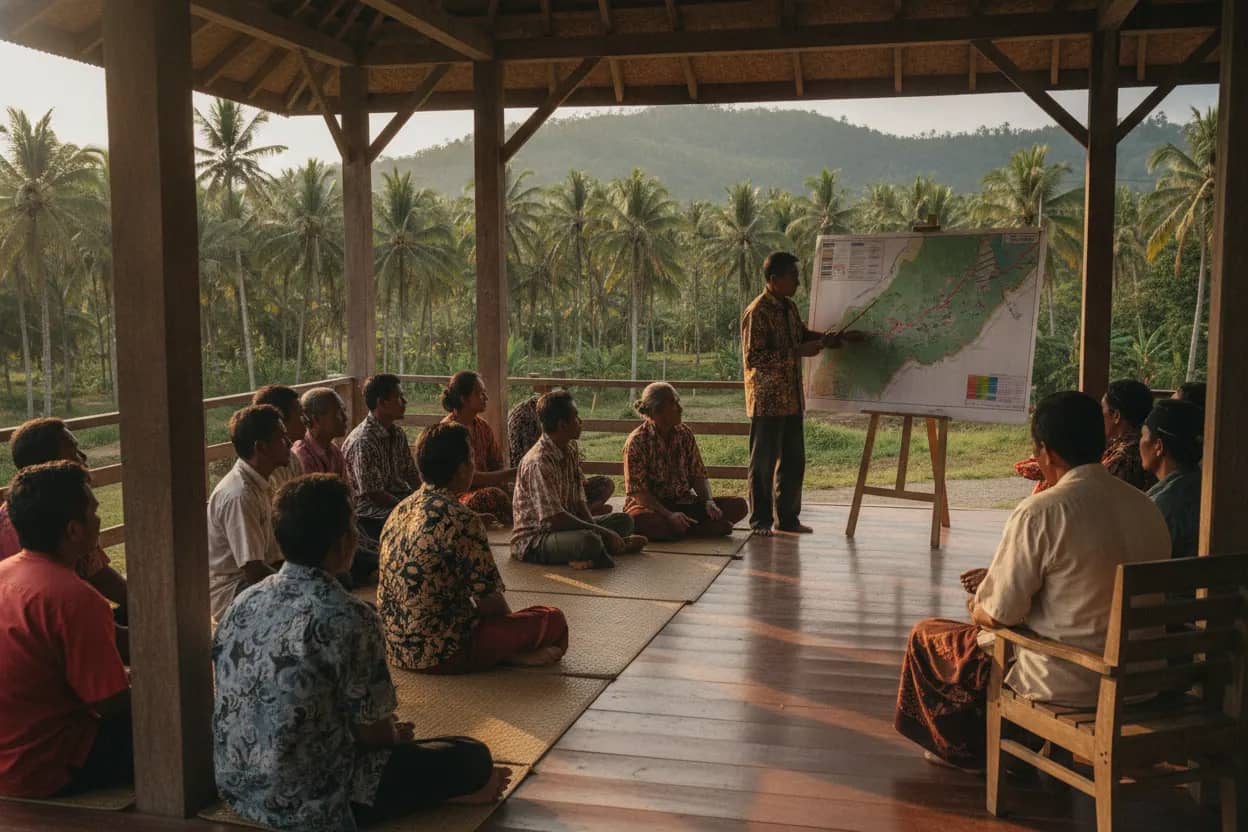
Little transparency
Open books, a ring-fenced account per funder, payment only on verified results, and site results public in the ESMI app.
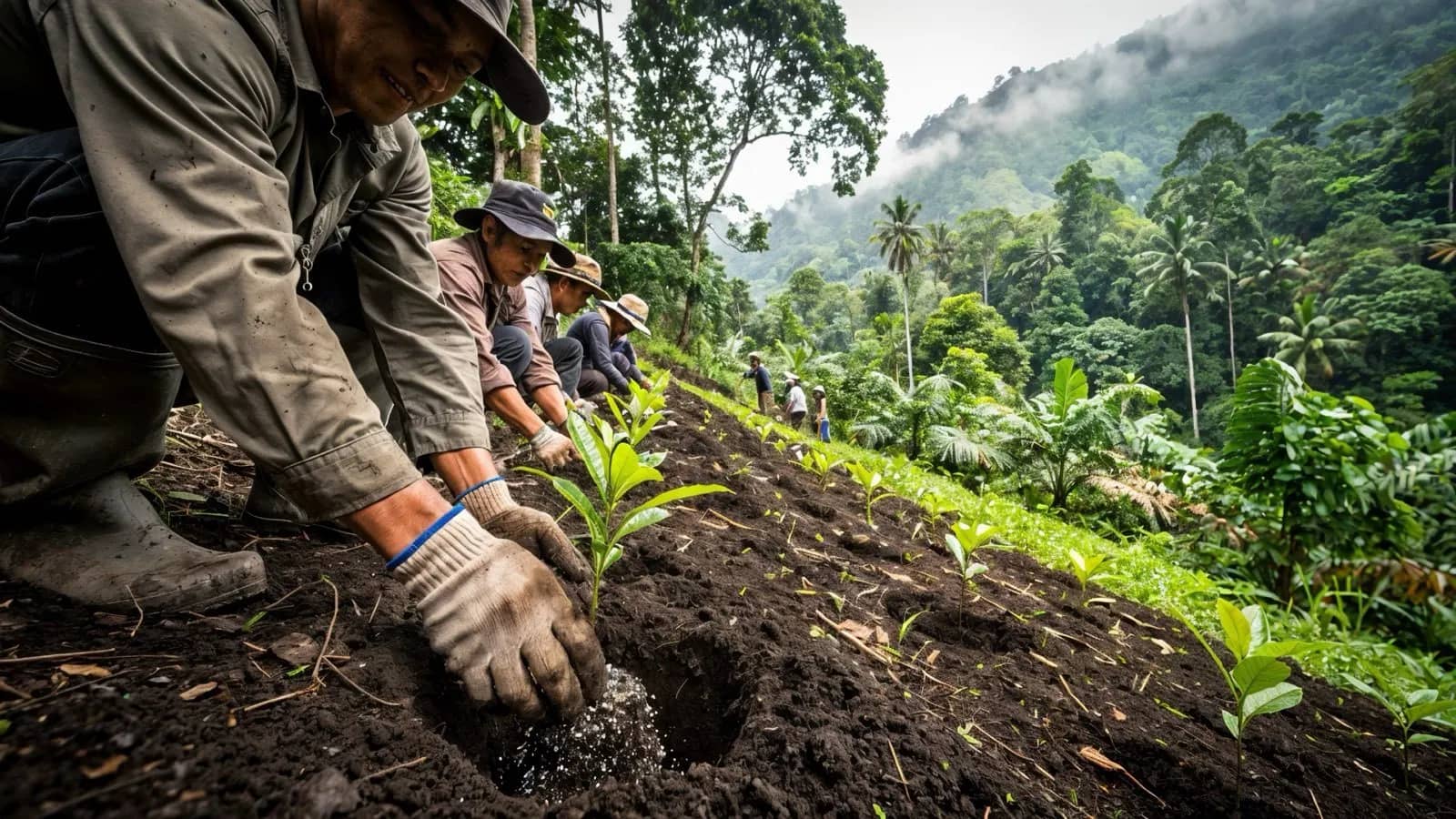
Lost forest and land
About 95,000 ha cleaned and replanted; restored land becomes forest, fields, eco-parks and clear water.
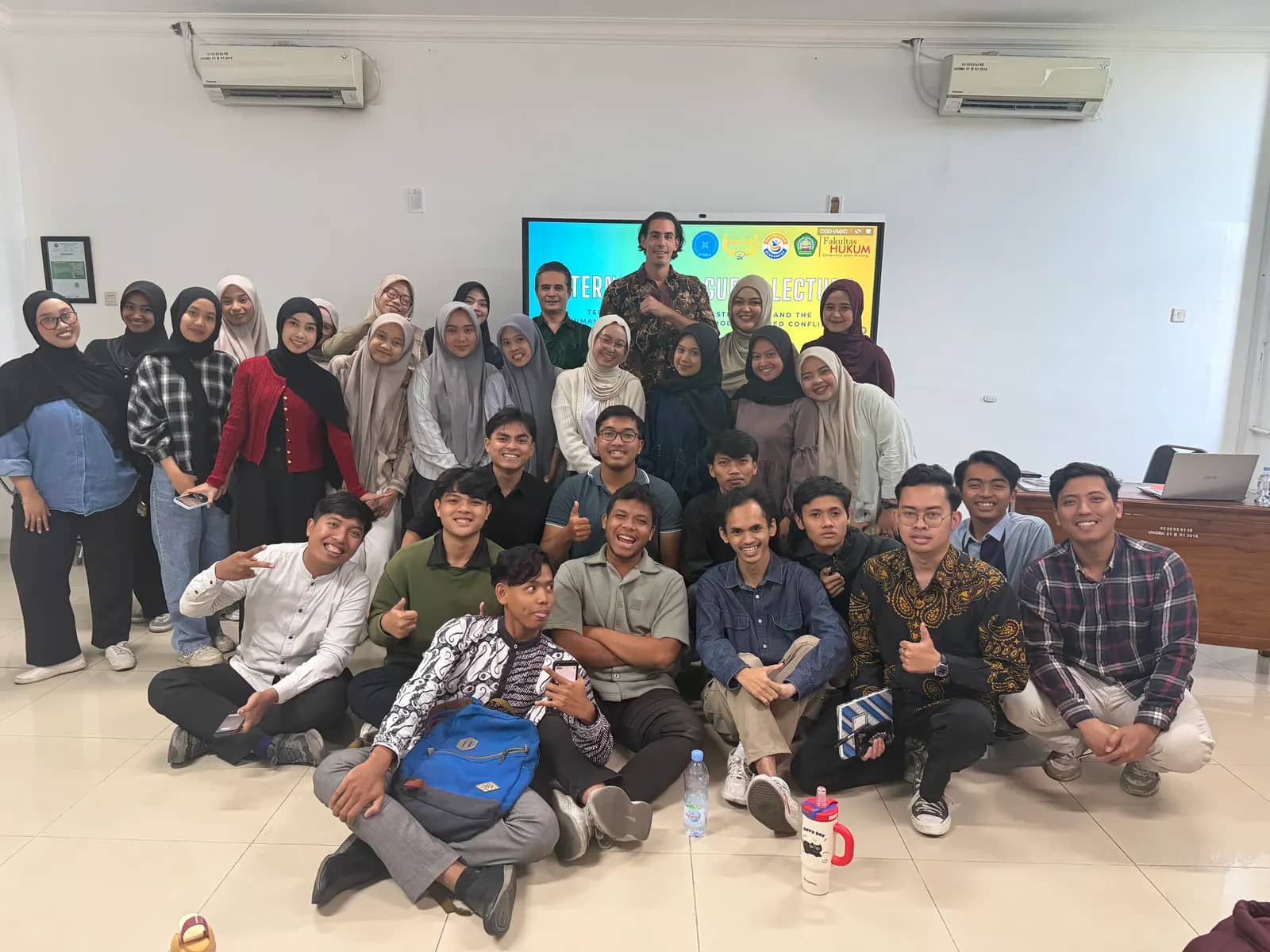
Lost talent and few local jobs
20,800 permanent jobs at the peak and about 16,000 students trained on site; two Indonesian factories build the machines.
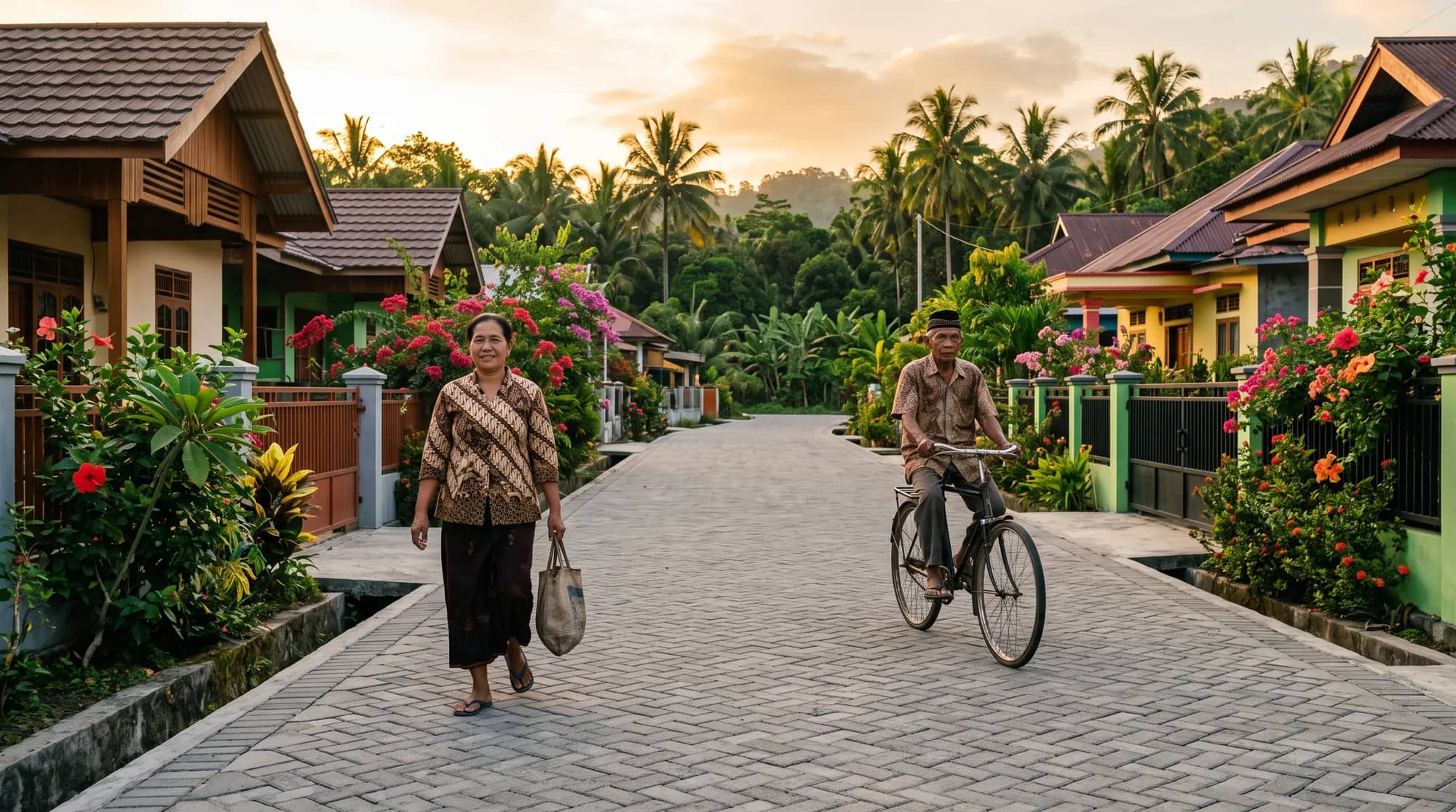
Housing and infrastructure needs
Cleaned sand becomes paving and wall bricks for roads, schools and social housing in the region.
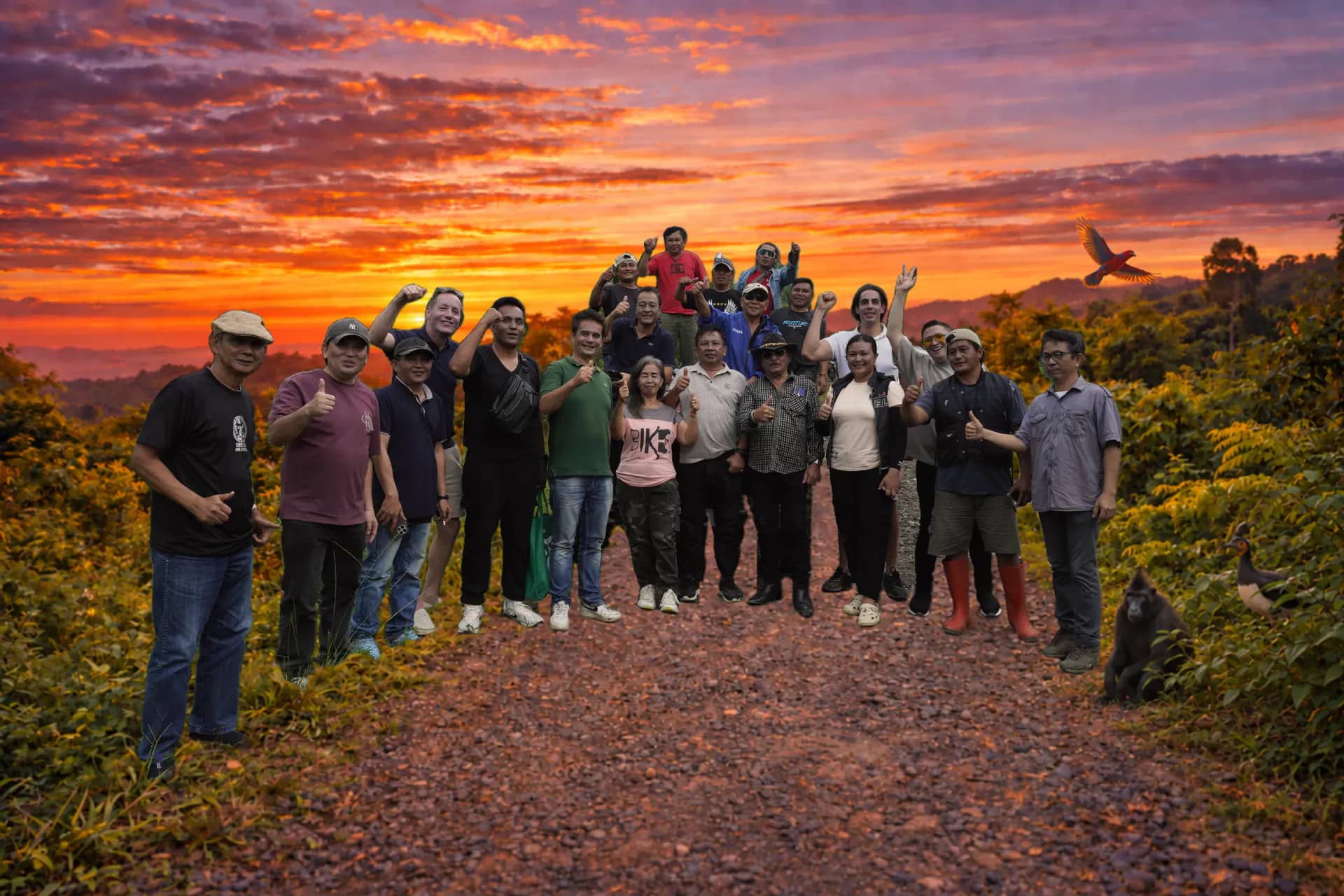
Indonesia’s mercury promise
Measured evidence for Indonesia’s Minamata commitments, and gold from Indonesia with a cleaner name.
How we work
Gotong royong
Together for one goal: government, villages, Unisma, funders and ESMI.
Measured, not claimed
Every figure carries its source. What has not been measured, we do not claim.
People first
No site without the village’s consent; no one forced to leave; former miners first.
Open books
Costs, revenue sharing and results are visible to funders and government.
The people behind ESMI
In the field, in the lab, at the table.
ESMI was co-founded by Guido Lassally and Prof. Jeroen Rijnenberg, founder of the SBDI Foundation. A small team with long roots in North Sulawesi, working with Unisma, which leads the science, and with provinces, regencies and cooperatives.
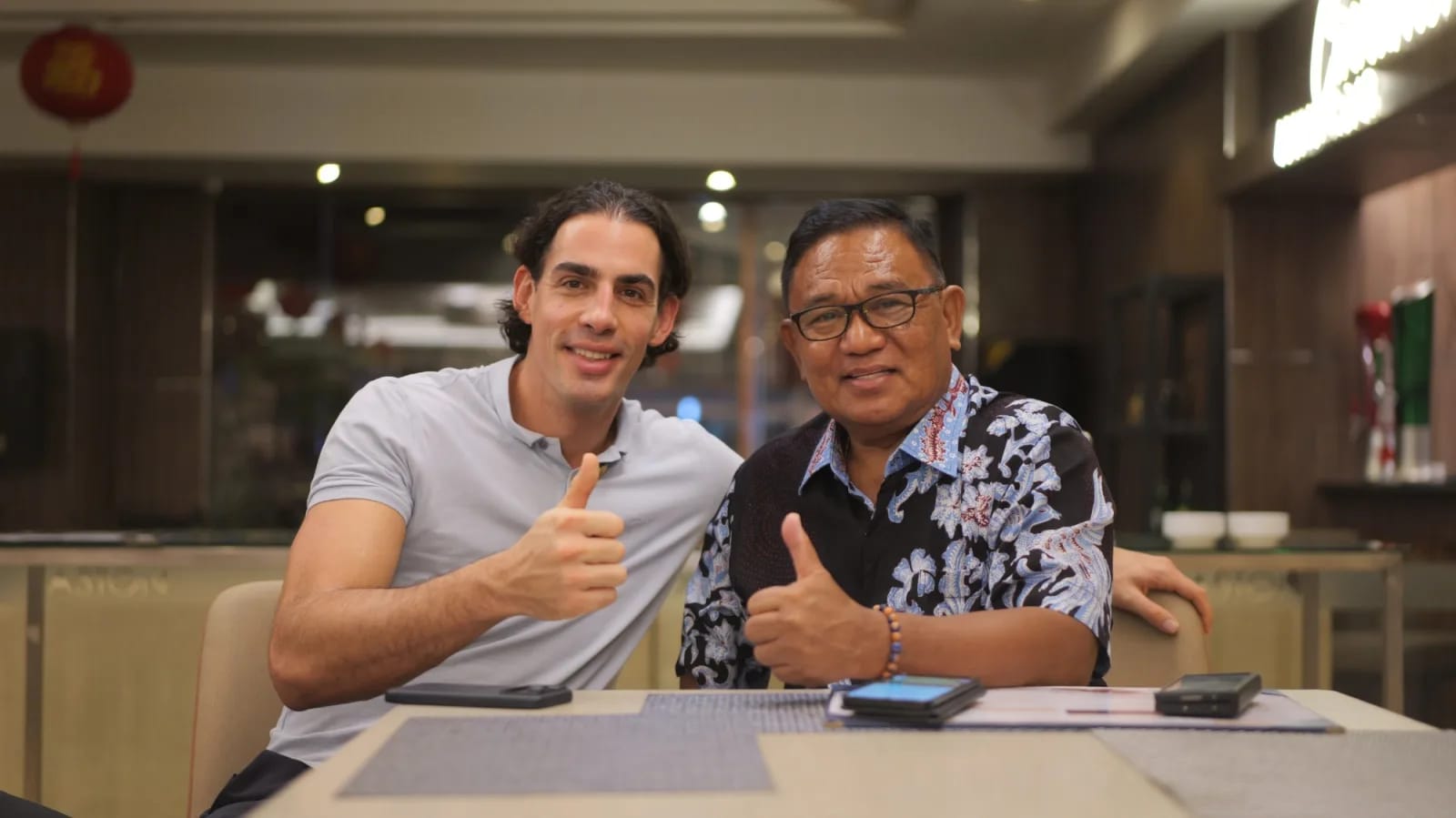
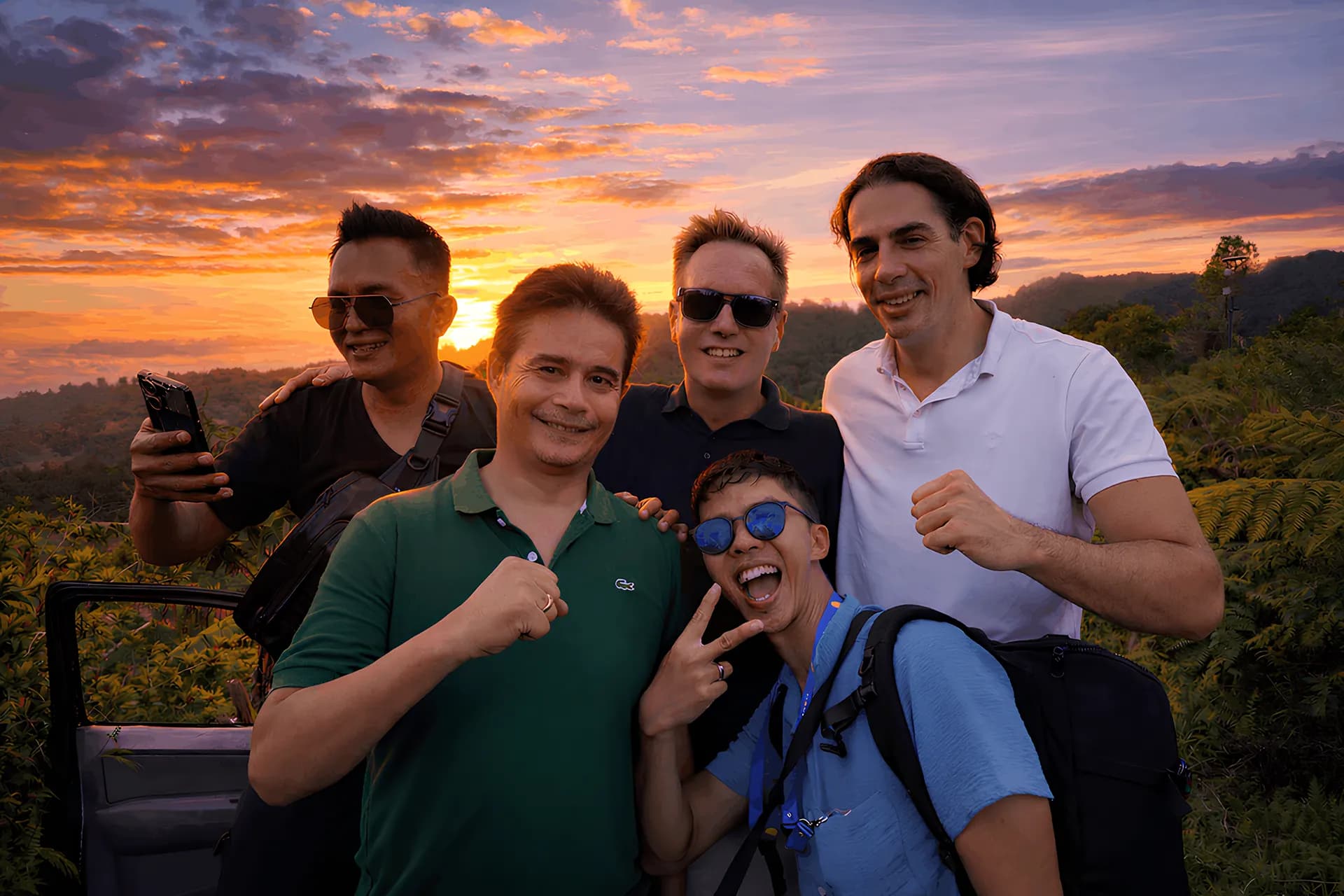
Guido Lassally (co-founder) and Moktar A Parapaga, who keeps ESMI’s contact with local governments, landowners and cooperatives 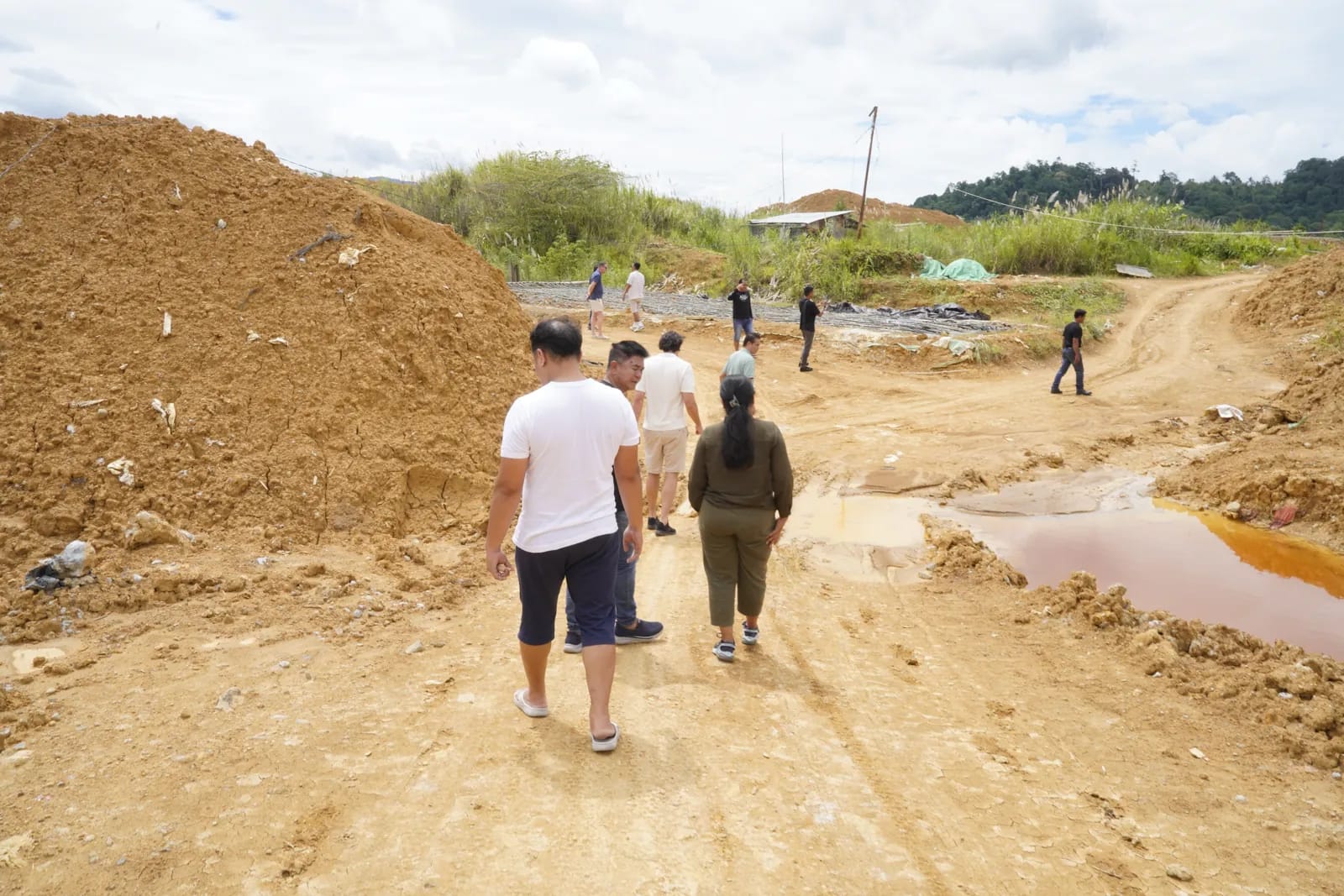
The ESMI team and partners walking a polluted mining area, North Sulawesi 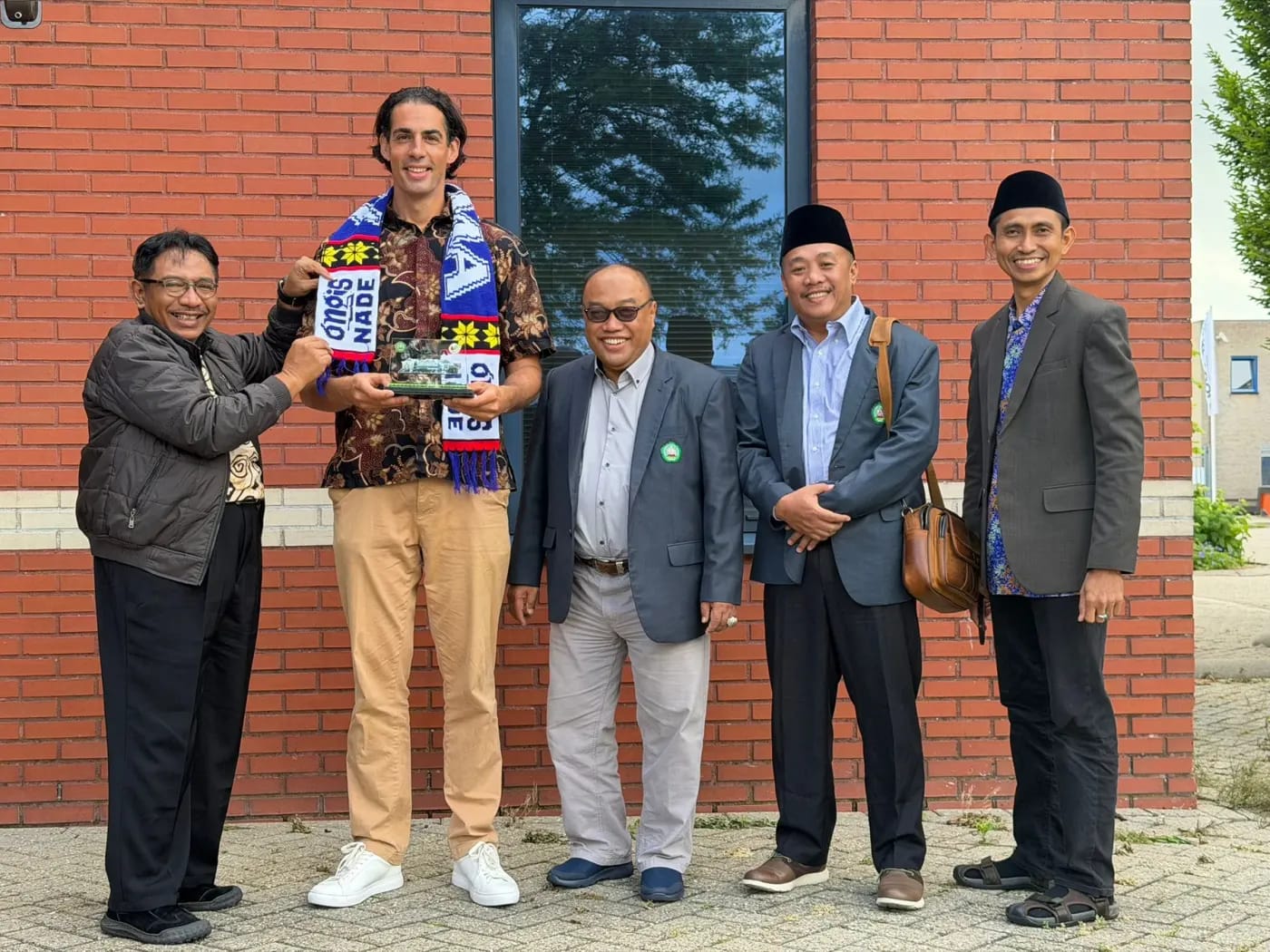
Research partnership with Universitas Islam Malang (Unisma).
Partners
Delivered together with Unisma, governments and villages.
ESMI brings technology, machines and funding. Universitas Islam Malang (Unisma) leads the science: field verification, students on site, microbe culture and publications. Local companies and cooperatives provide crews and sell the bricks. Government designates sites and grants permits.
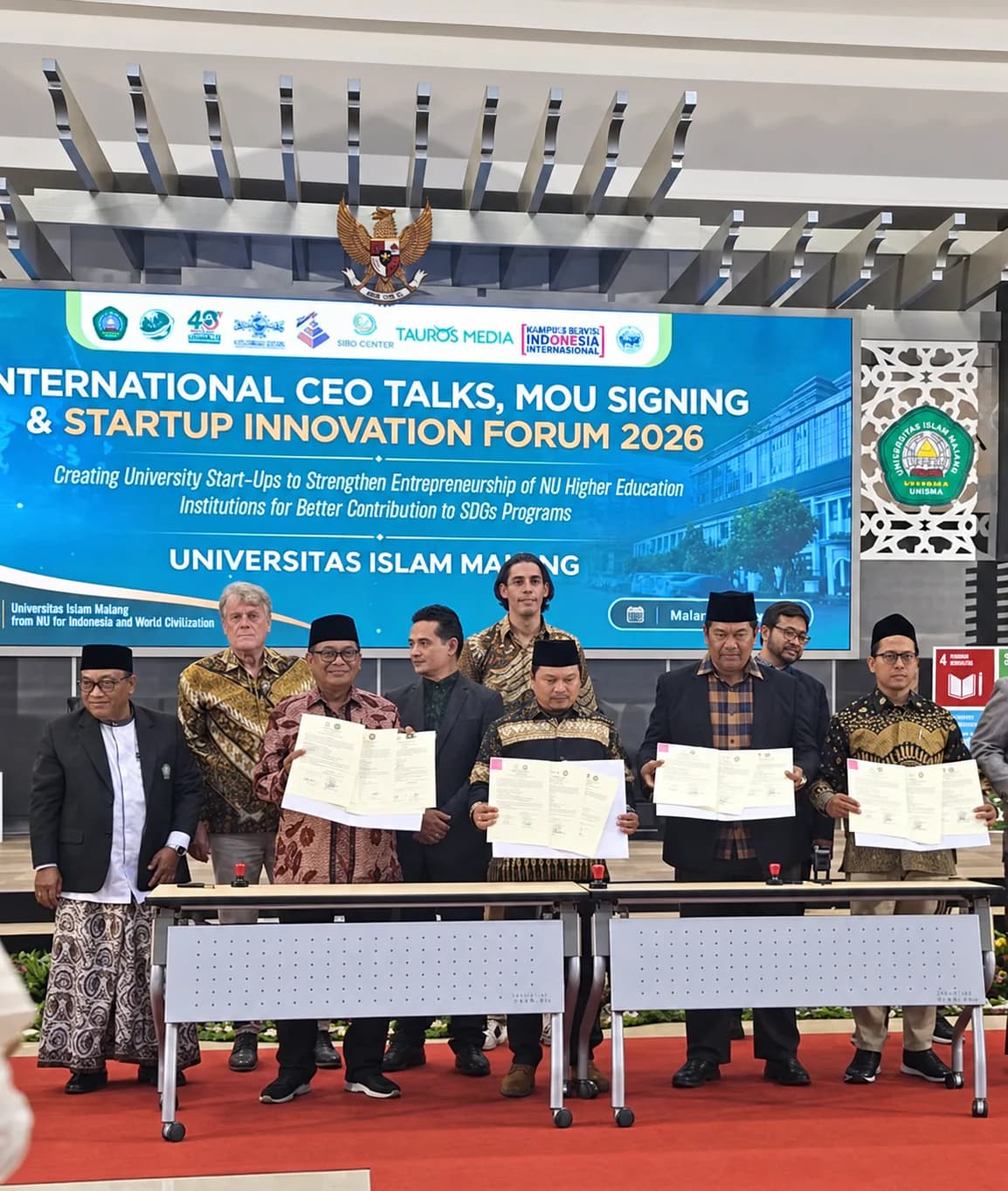
MoU with Universitas Islam Malang (Unisma)
- Government of North Sulawesi
- SBDI Foundation, member of UN Global Compact
Labs: ESMI site labs for daily work; the accredited Unisma lab checks one in ten samples. Everything in Indonesia.
Gotong royong
The pilot is under way. The next step is scale.
The pilot in Bolmong has started. ESMI is now raising large-scale funding to clean up Indonesia’s mine waste. Investors can start with one 10-tonner (USD 1.7 million).
ESMI also works as a hired partner. Mining companies and cooperatives can bring in ESMI to upgrade an existing plant with its microbes and methods, so it recovers more and can move away from mercury and cyanide.