For governments
Clean land, legal jobs, results in public.
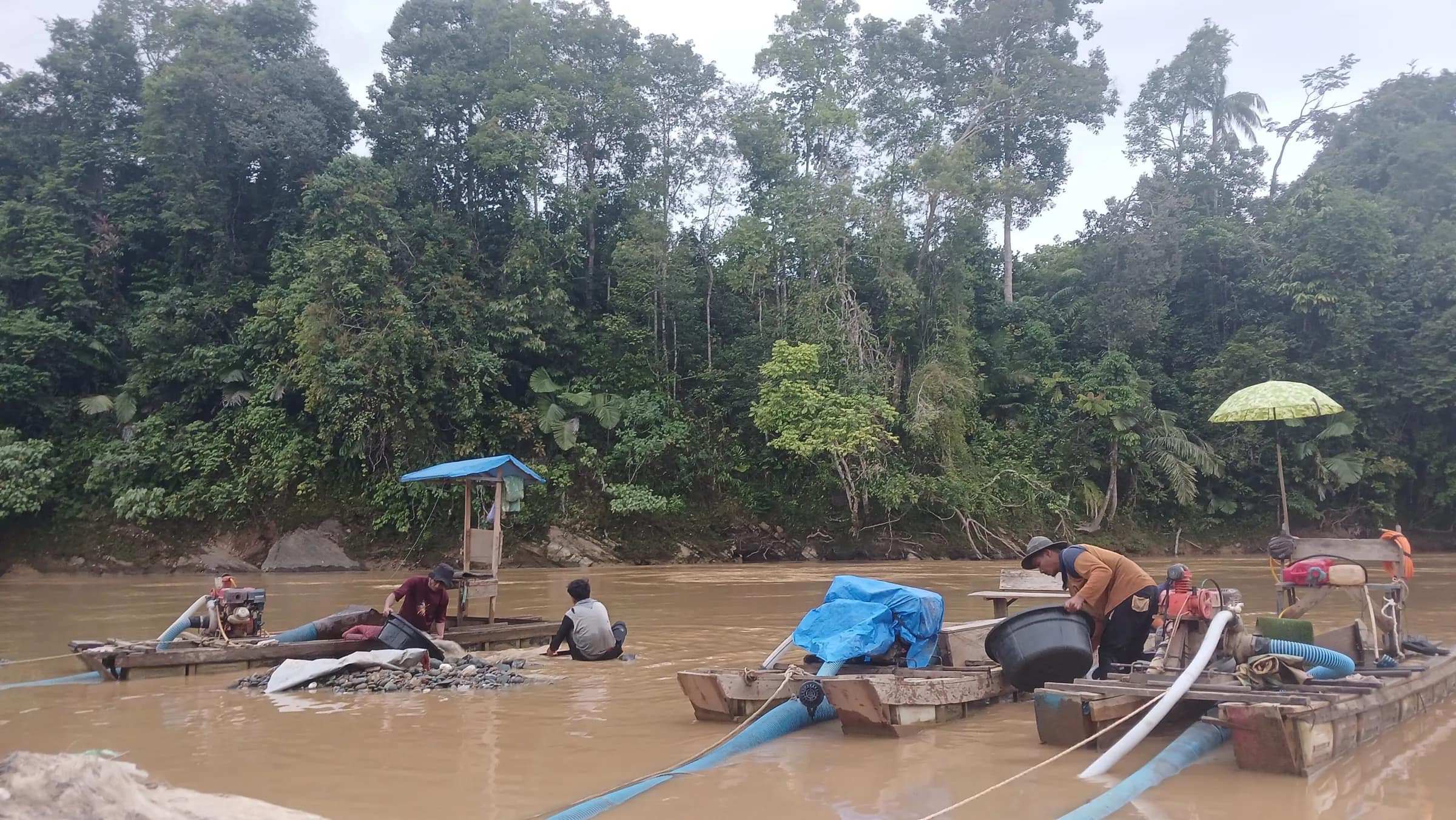
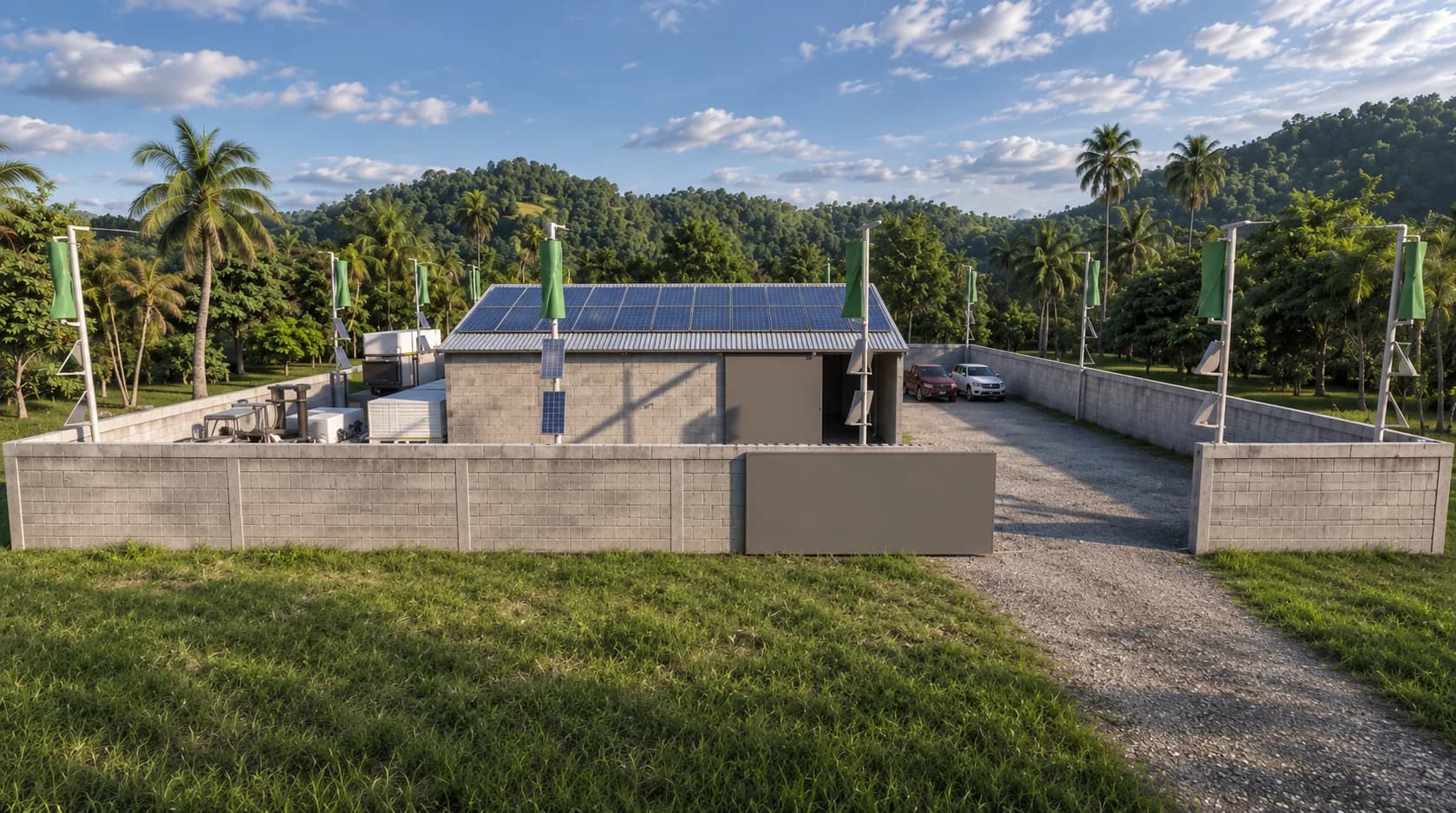
For provinces and regencies with old mine waste. ESMI cleans the heaps, returns the land to the villages and reports every result in public. How each site is financed is agreed with the region.
What your region gets
What a province or regency gets.
Every site is cleaned, restored and handed back. Results are measured and published per site.
Clean land for villages
Cleaned land goes back to the villages for farming, forest, housing or eco-tourism.
Legal jobs
26 permanent jobs per unit, at least 80% from nearby villages, trained at the ESMI academy.
Bricks for public works
Cleaned sand becomes bricks and paving for roads, schools and social housing.
An end to polluting heaps
Microbes make the mercury solid so it can be removed and cyanide is broken down, so heaps stop poisoning rivers and fields.
Proof for Minamata
Measured results that support Indonesia’s commitments under the Minamata Convention on mercury.
Satellite monitoring
Sites are followed from space before, during and after the work.
Transparent results
Results per site are open: tonnes, tests, jobs and land returned.
Financing agreed per site
ESMI raises international funding per verified tonne. How costs are shared with the province or regency is agreed per site.
Who pays?
ESMI is raising international funding, paid per verified tonne of cleaned waste. How costs are shared with a province or regency is not fixed yet; it is agreed per site. The region gives permission, designates sites and enforces the law on cleaned land.
Source: Minamata Convention, ratified by Indonesia through Law No. 11 of 2017
Per unit
What one 10-tonner does for a region.
26
permanent jobs per unit
ESMI programme model, key figures, Nov 2026
80%
of crews at least from nearby villages
ESMI hiring rule
49,640t/yr
mine waste cleaned per unit per year
ESMI programme model, key figures, Nov 2026
315,891m²/yr
paving from cleaned sand per unit per year
ESMI programme model, key figures, Nov 2026
What ESMI needs
What we ask from government.
Five things make a site work.
Sites and one-stop permits
Designation of the sites and permits through one desk, so work can start quickly.
Enforcement on cleaned land
A commitment that cleaned land is protected and not mined illegally again.
Small-scale mining areas (WPR/IPR)
Community mining areas and permits so miners have a legal livelihood.
Recipient of funds where required
Acting as recipient of international funds when a funder requires a government counterpart.
A liaison officer
One contact person in the government who follows the sites.
How we work together
Six steps from first meeting to regional hub.
Each step has a clear result. The next step starts only when the previous one is done.
MoU with the province
A memorandum of understanding on goals, roles and data sharing.
Joint site screening
Satellite screening plus field work with Unisma to find and rank the heaps.
Village consent (FPIC)
Free, prior and informed consent: information in the local language and a decision in the village assembly.
Site agreement
An agreement per site on land, permits, jobs and hand-back.
Pilot
Small machines and six public tests before any scale-up.
Scale-up with a regional hub
More units, a regional hub for maintenance and training, and local brick production.
Already working with
North Sulawesi and Talaud are on board.
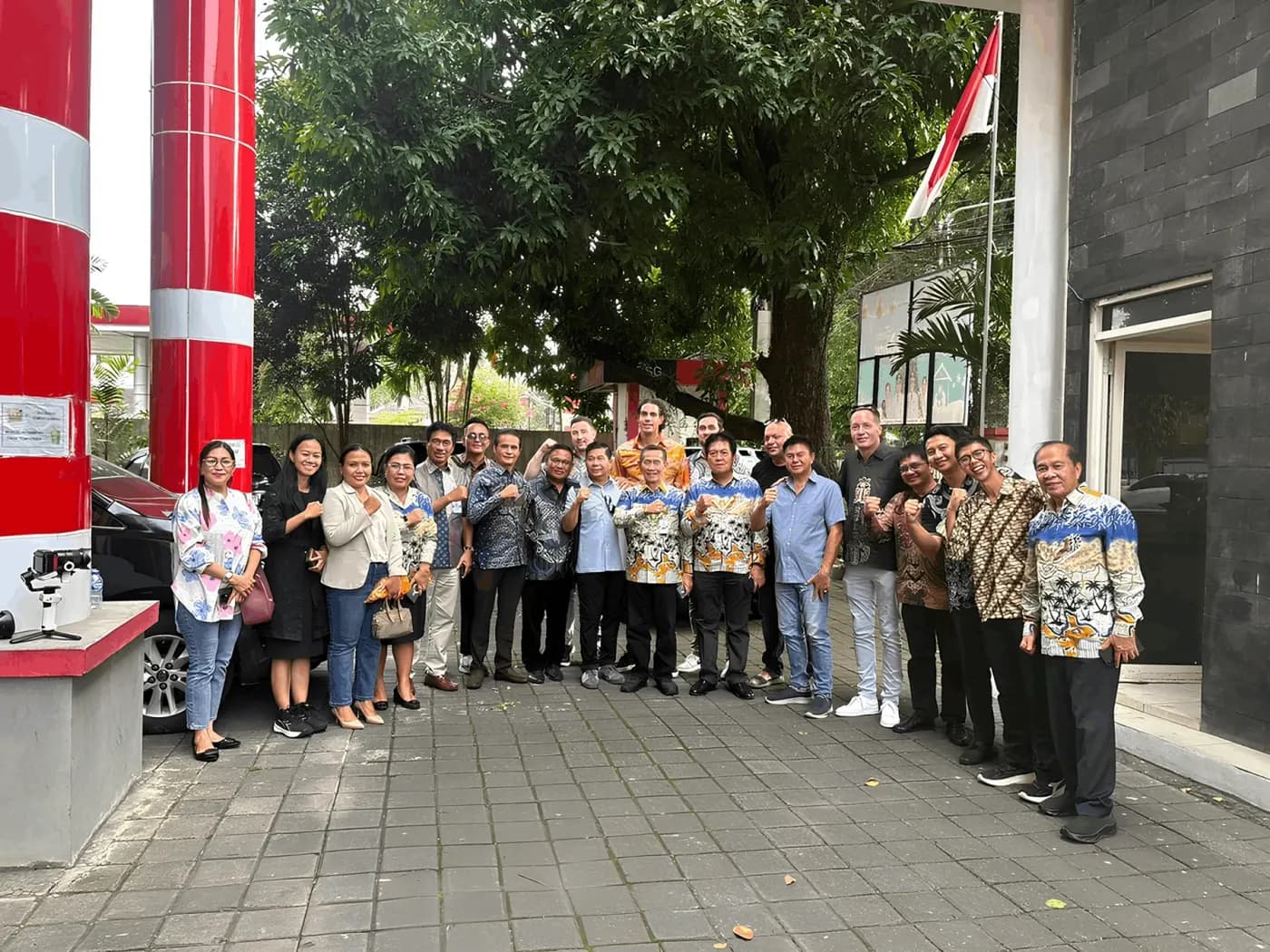
ESMI works with the Government of North Sulawesi, which allocated 100 ha for the pilot in Bolmong, and with the Talaud Islands Regency.
Government of North Sulawesi 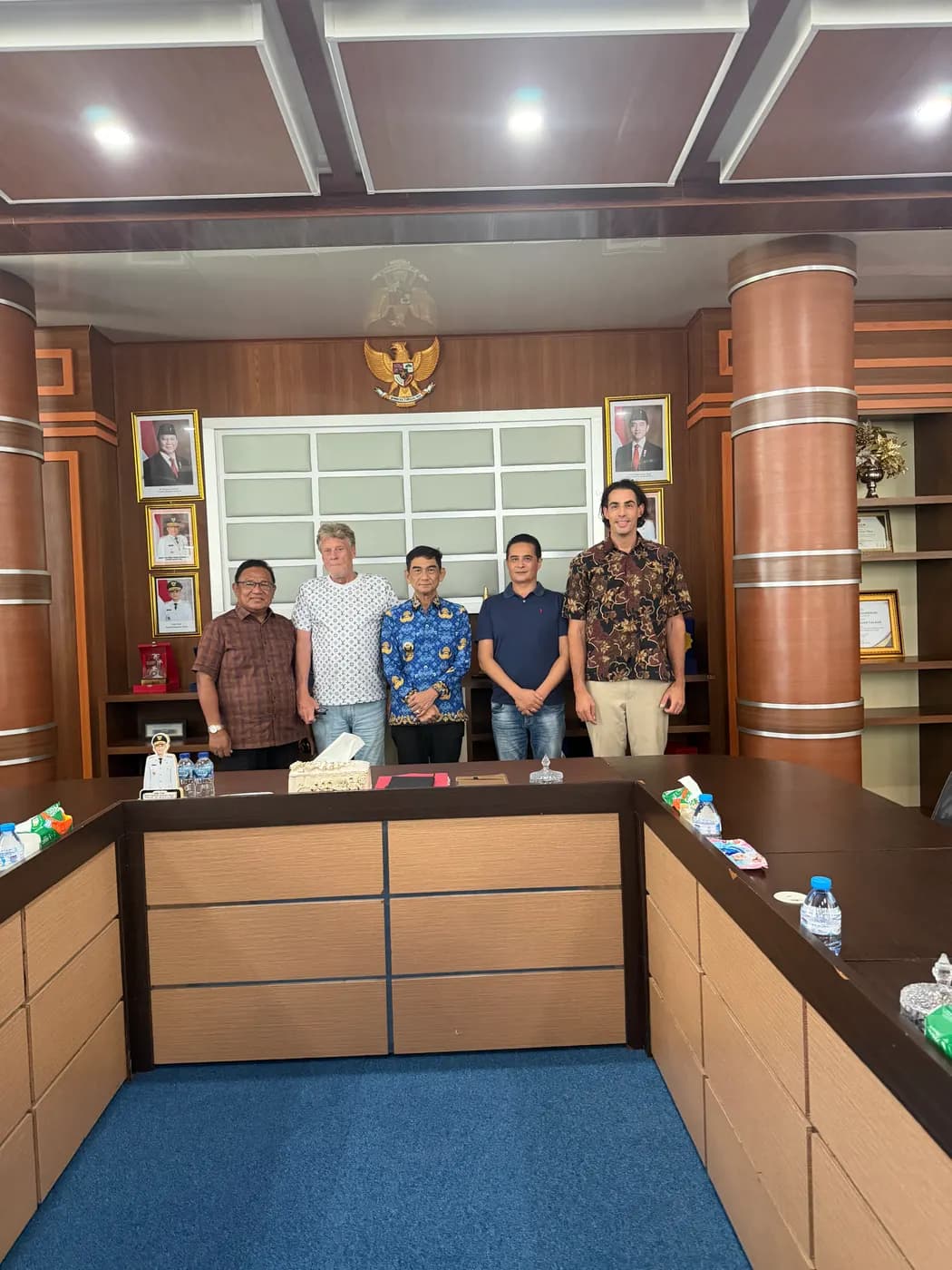
Talaud Islands Regency 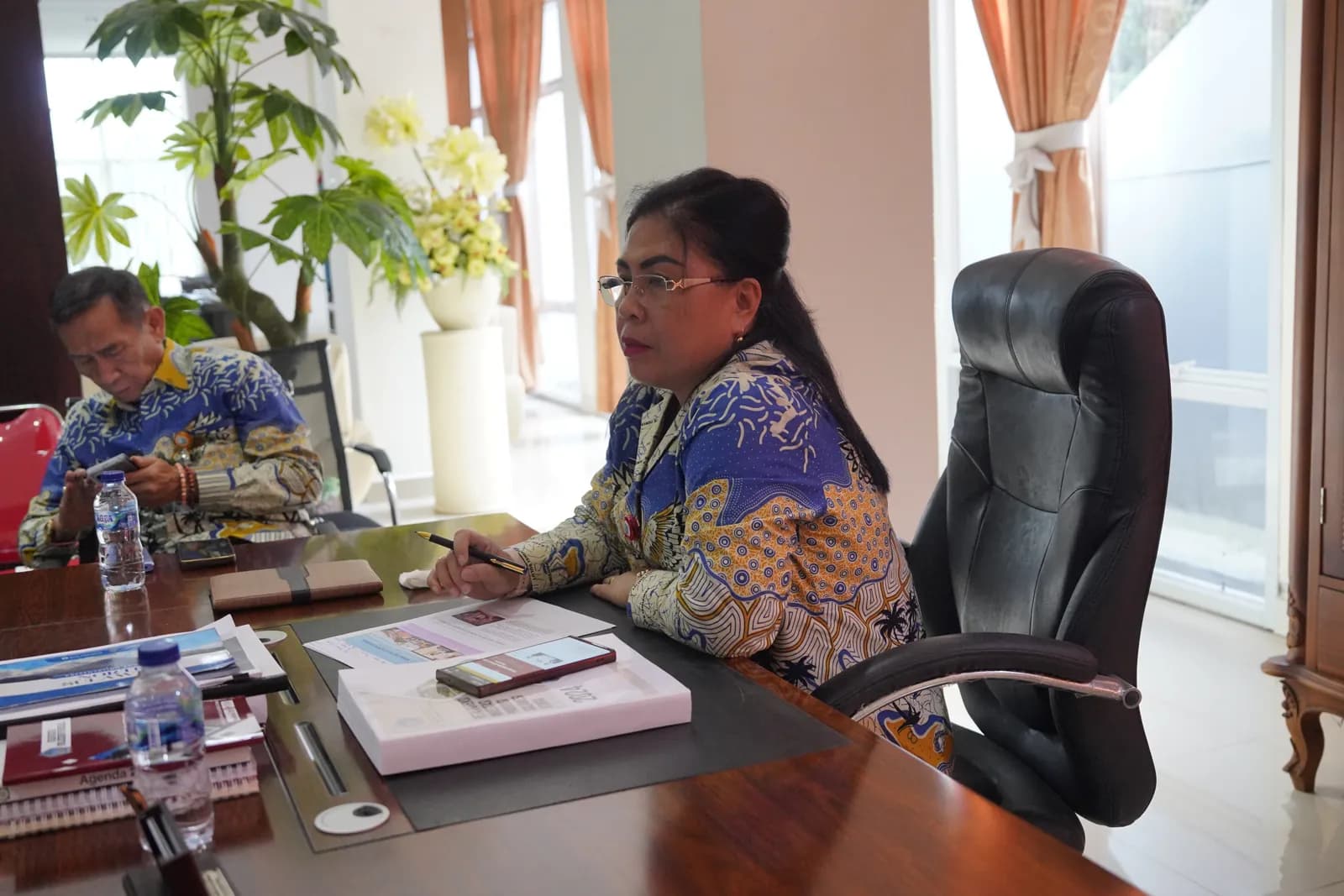
Meeting at the North Sulawesi provincial government 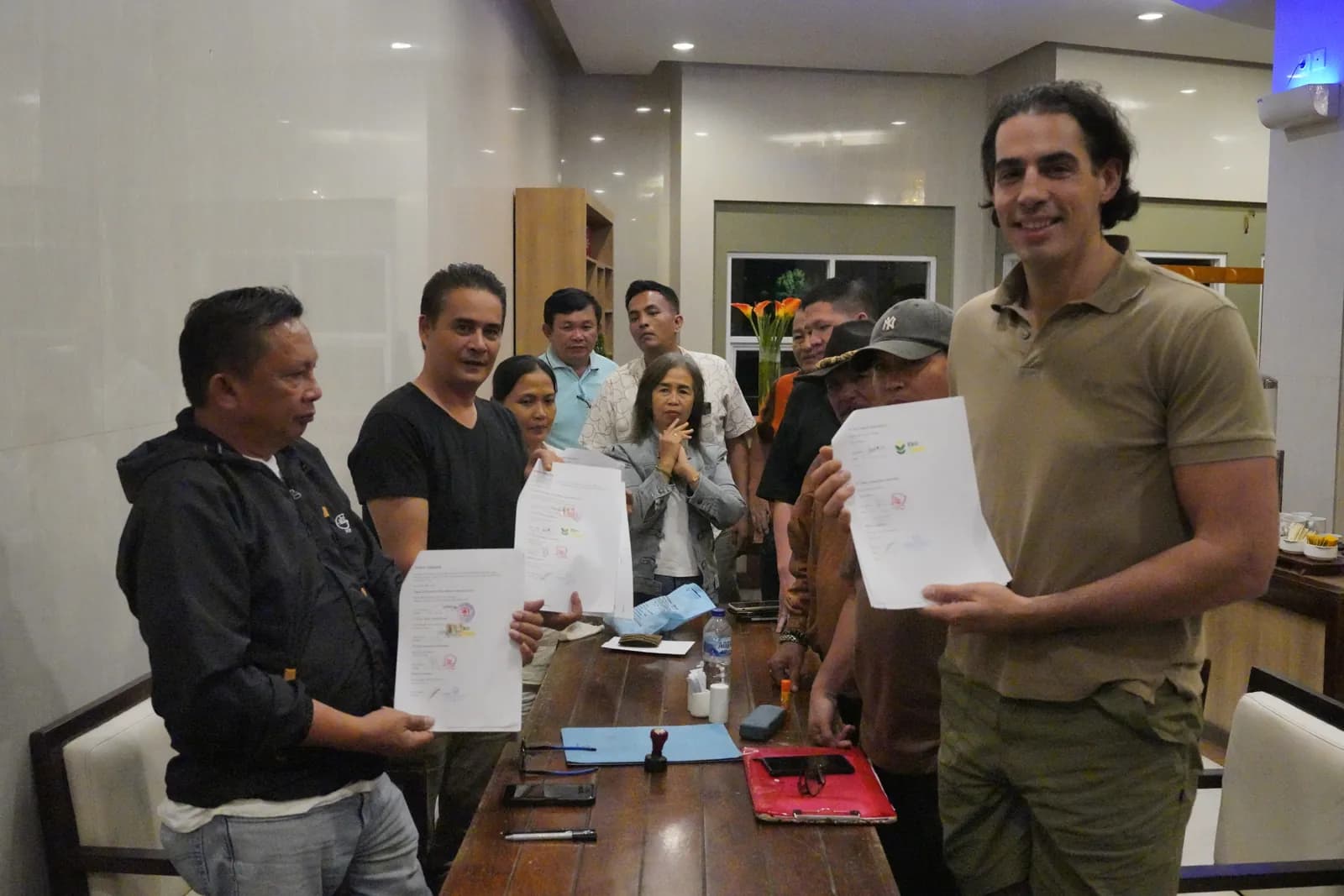
Signing of an MoU with a cooperative
Open by default
You see what we see.
Government gets the same data as the funders: satellite images, lab results and progress per site, in clear reports.
- Satellite monitoring of every site.
- Lab results per site; one in ten samples checked by the accredited Unisma lab.
- Independent verification of every paid tonne.
- Grievance channel for villages and workers.
Arrange a meeting.
For governors, regents and their teams. We come to you, in Bahasa Indonesia.