
Step 6 · New land
When the soil and water are clean, the land goes back to the village.
Clean-up does not end with bricks. Once soil and water meet the standard, the village or landowner takes the land back with a management plan. The community decides what it becomes.
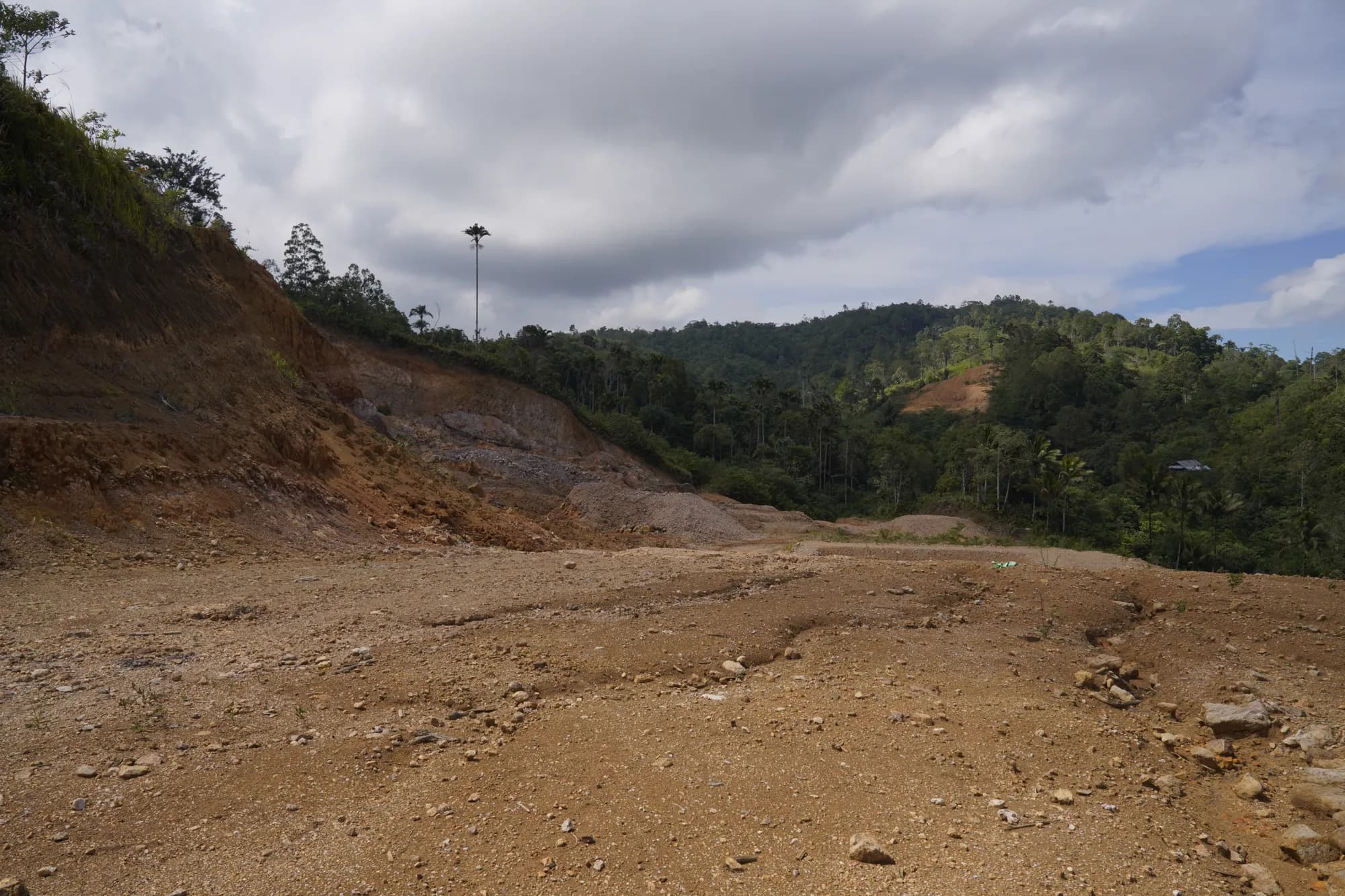
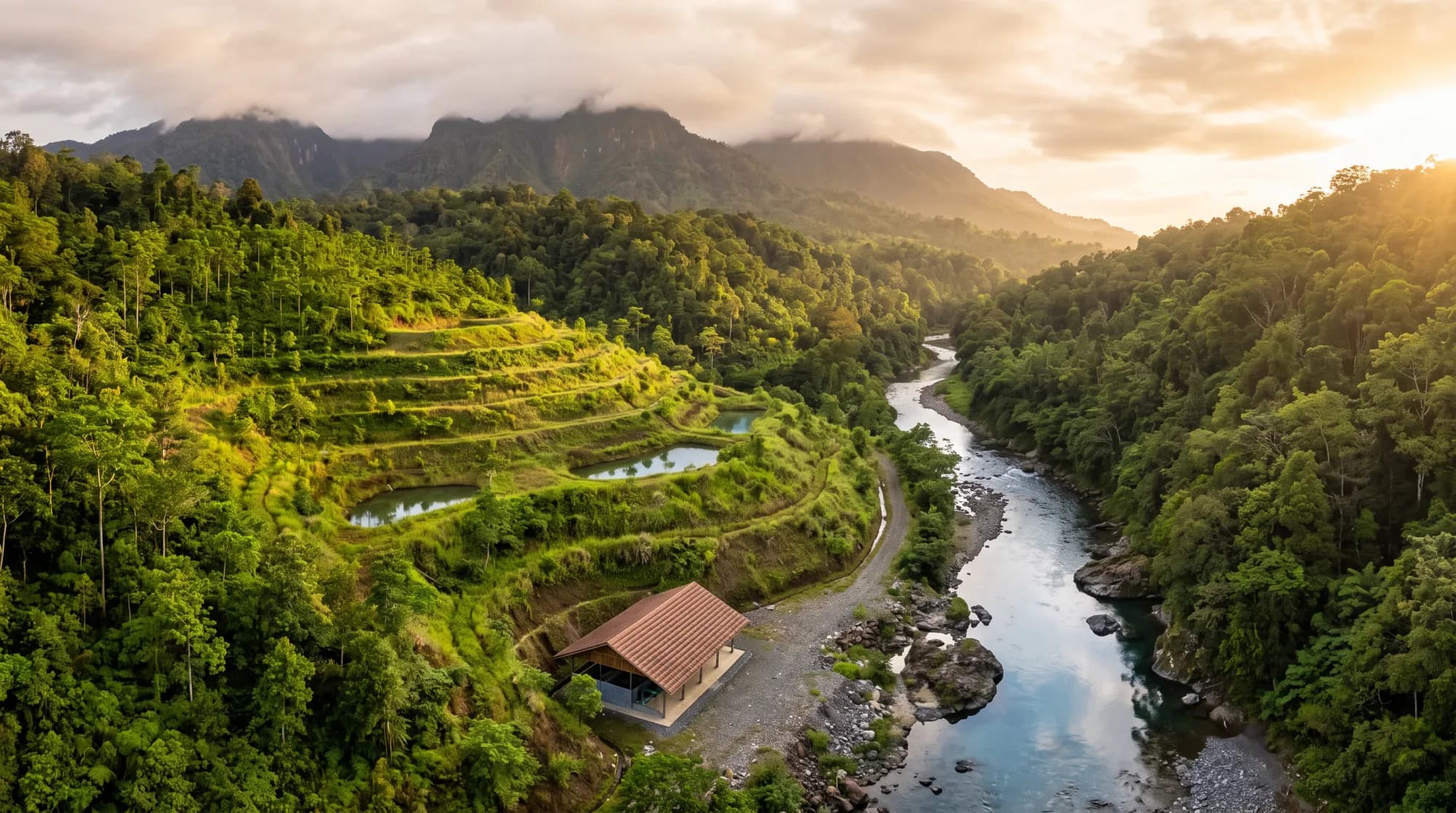
Drag to compare: the same place before and after restoration.
Step 6
Restore and reuse the land.
Clean-up does not end with bricks. Once soil and water meet the standard, the land returns to the village or landowner with a management plan. The community chooses how it is used.
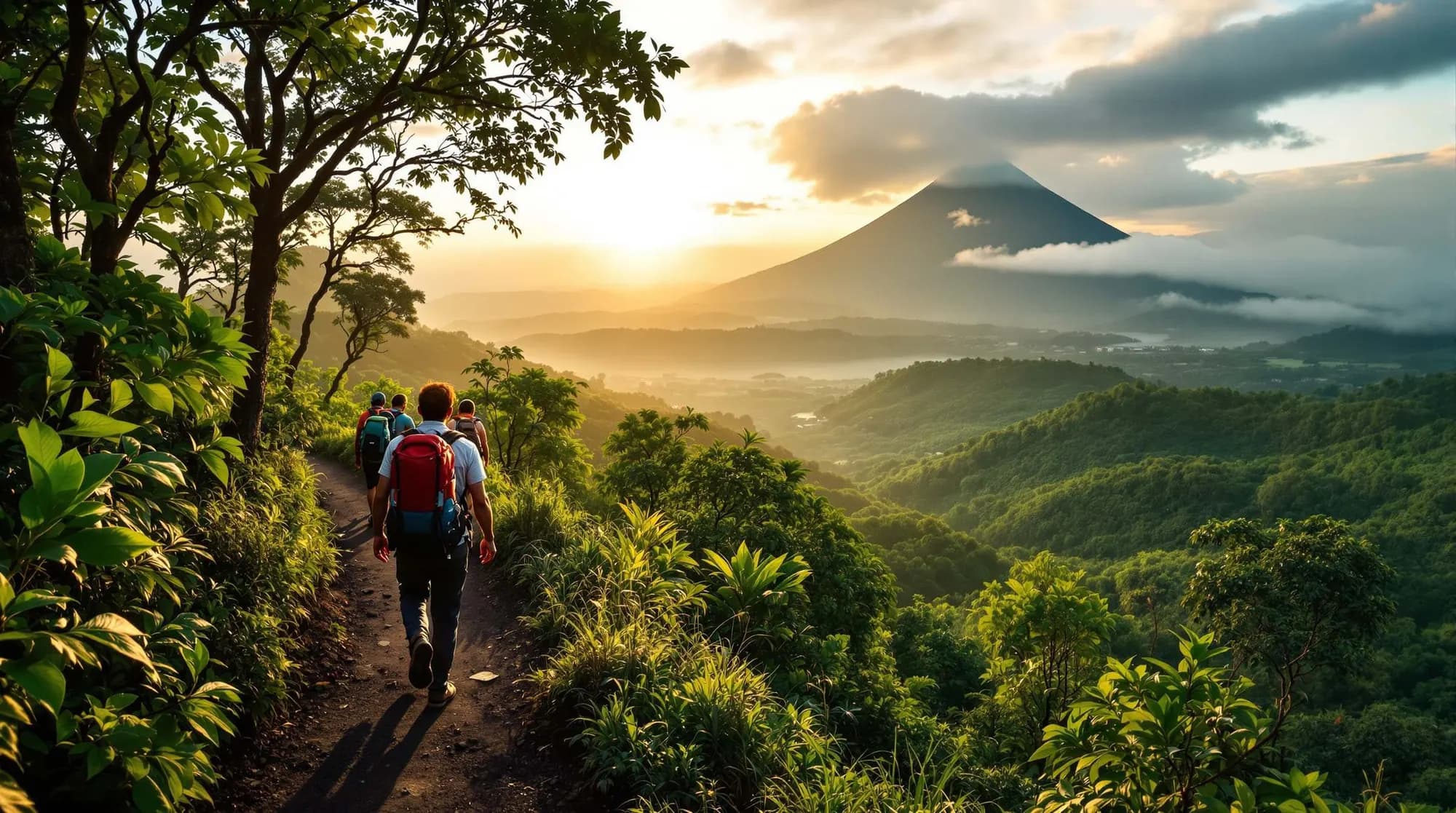
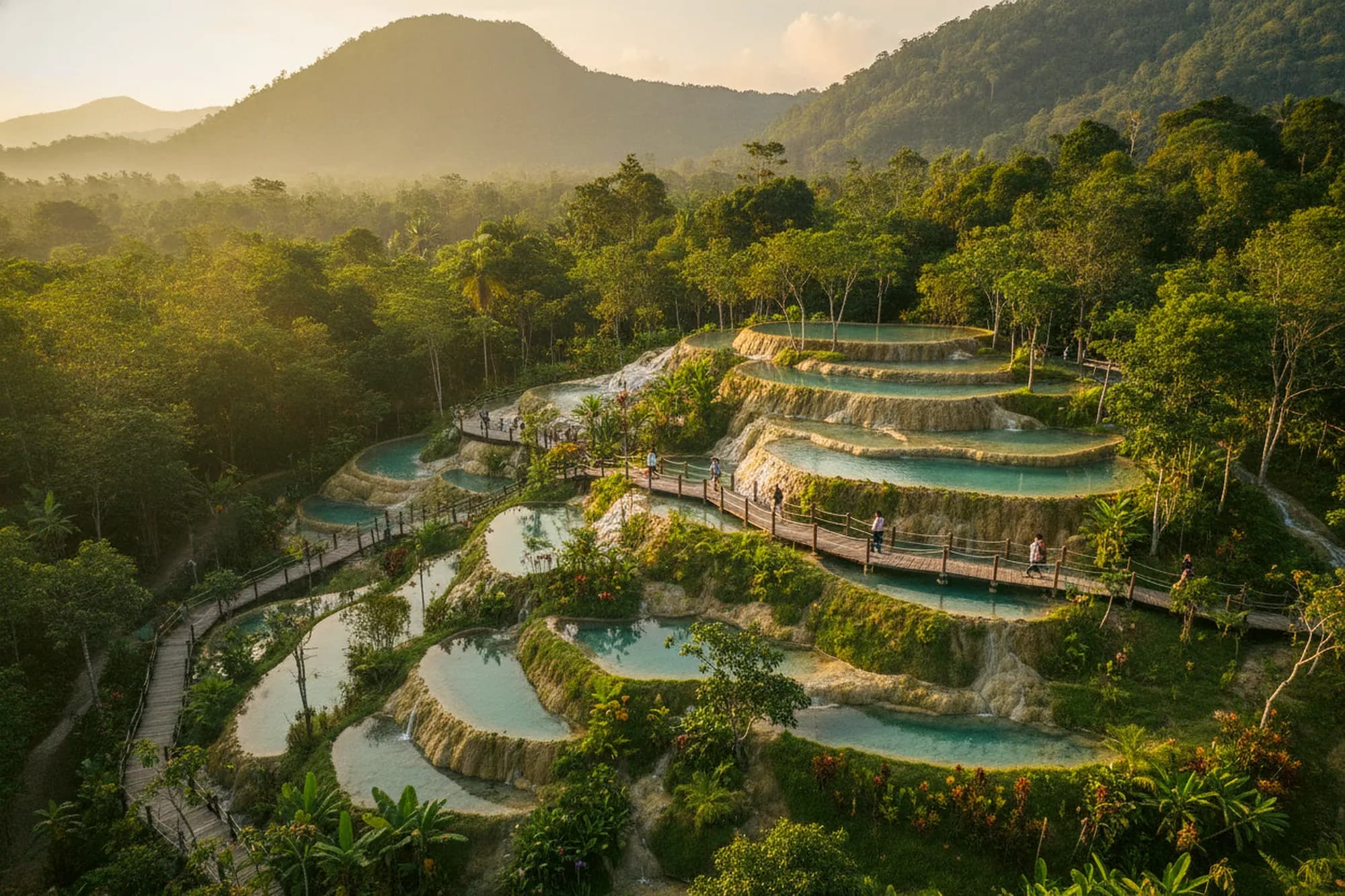
Eco-parks
Terraces, trails and native planting on former heaps.
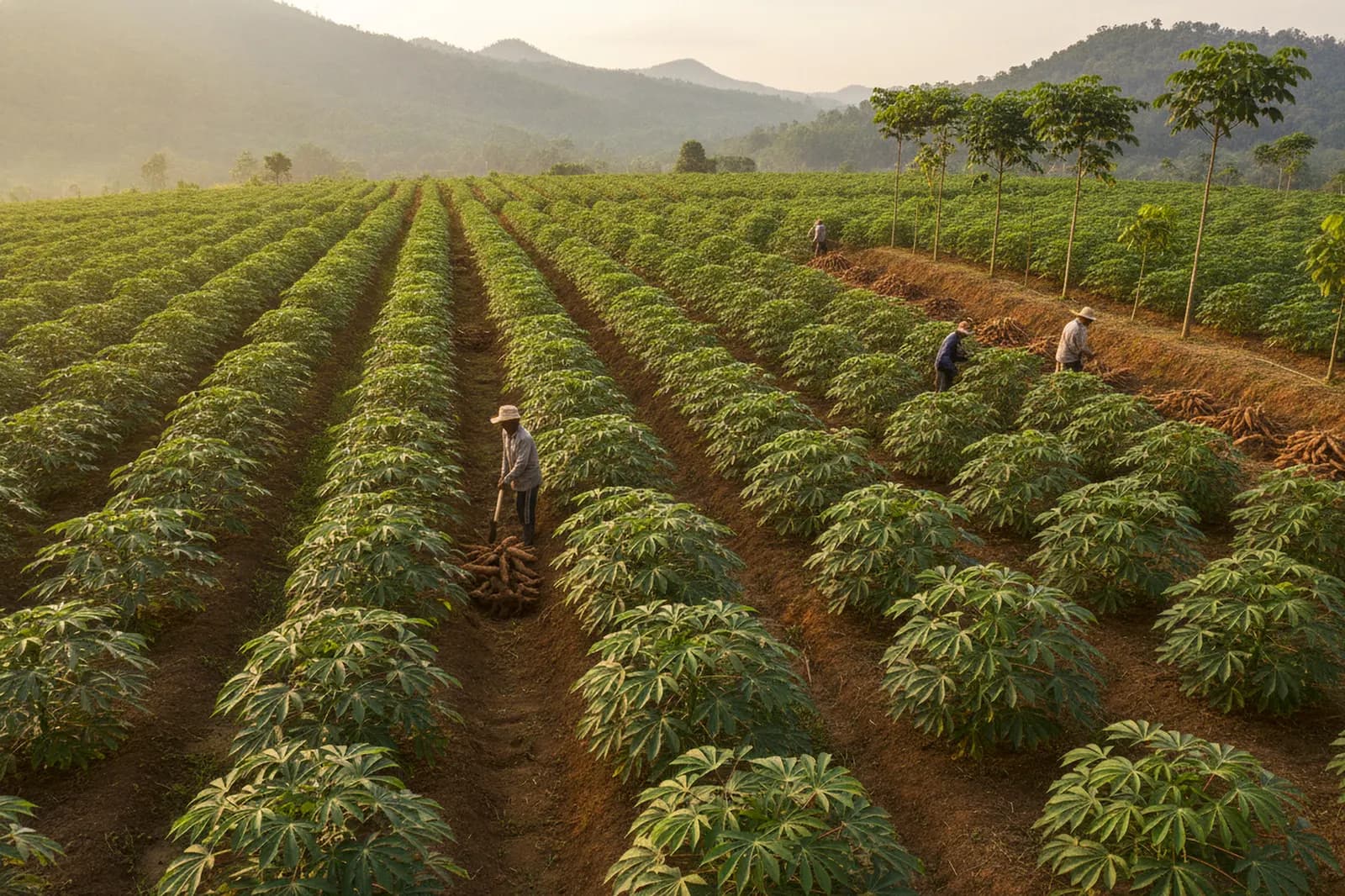
Cassava fields
Food and income on restored land; processing into flour takes place indoors in a factory.
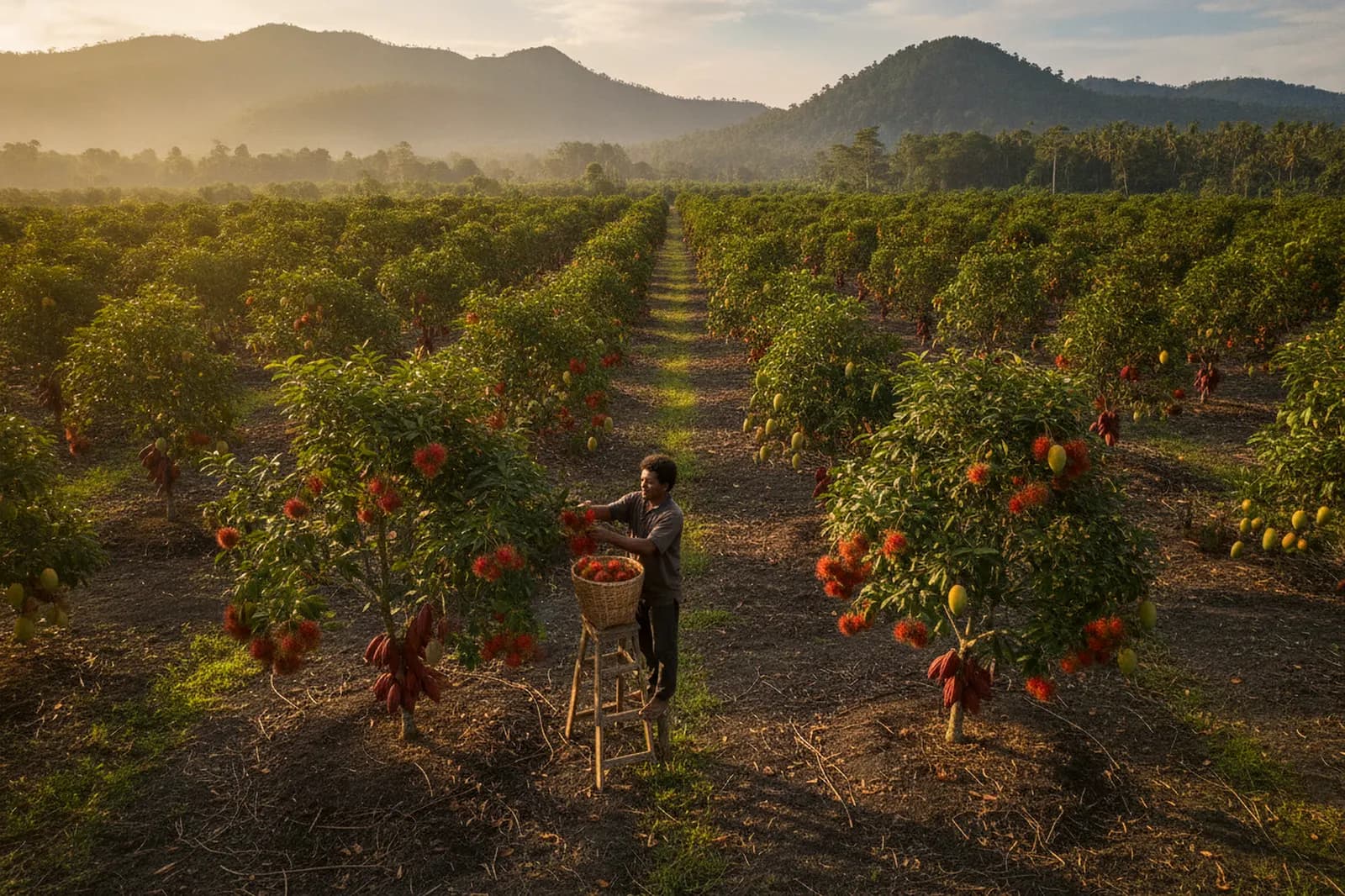
Agroforestry and forest
Fruit trees, timber and native forest that hold soil and water.
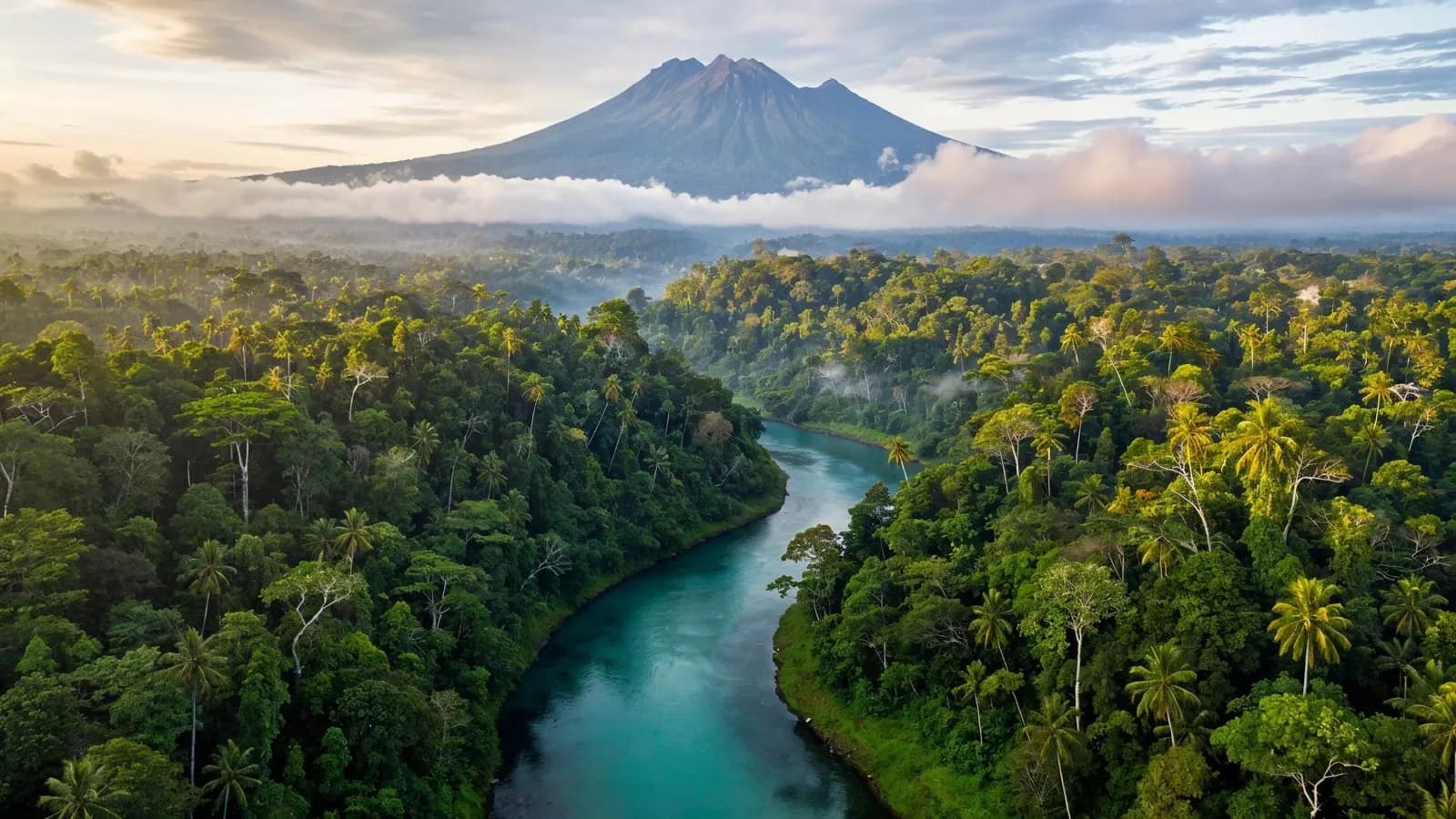
Water and recreation
Former pits become clear water, after water and soil meet the standard.
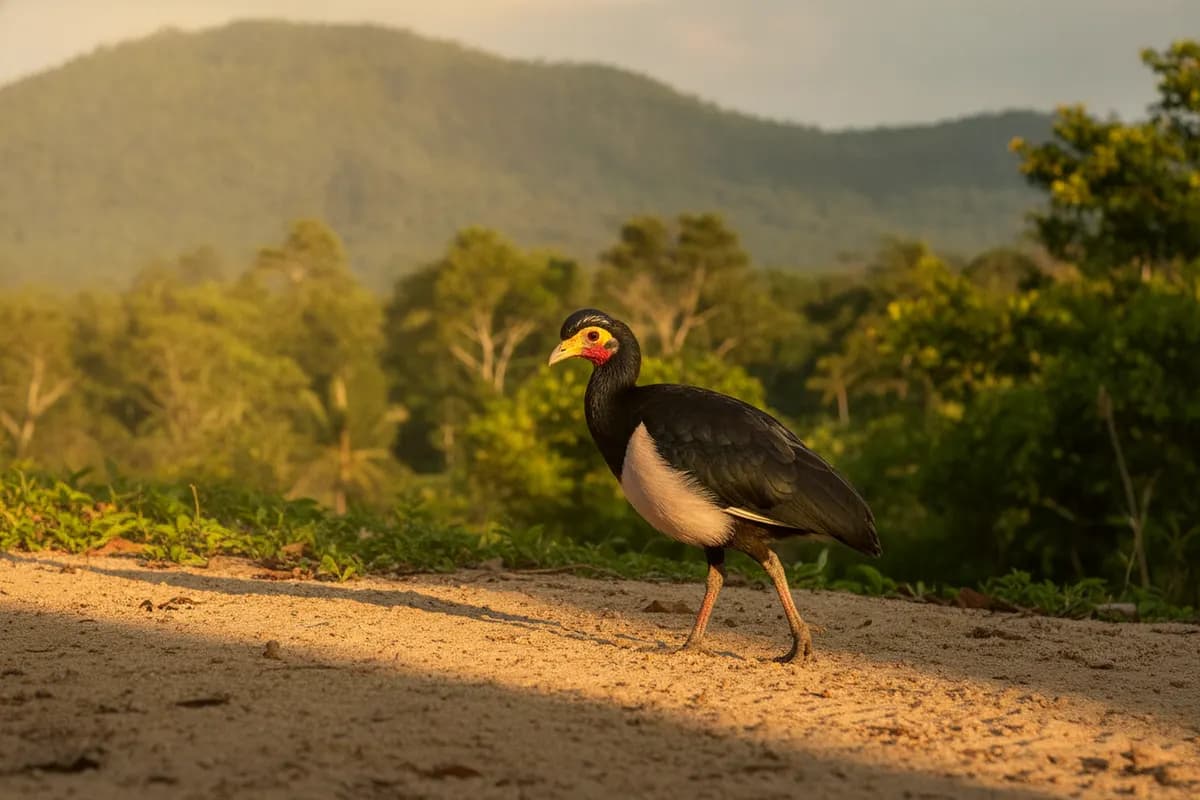
Nature
Habitat for endemic species such as the maleo.
Why new land matters
Land with a new use and a new income is the best protection against illegal mining coming back. Forest and nature bring back water, soil and shade; fields and parks bring work. Satellite monitoring continues after restoration, and carbon and biodiversity credits help pay for management.
Satellite monitoring continues after restoration. Carbon and biodiversity credits help pay for management.
Gotong royong
The pilot is under way. The next step is scale.
The pilot in Bolmong has started. ESMI is now raising large-scale funding to clean up Indonesia’s mine waste. Investors can start with one 10-tonner (USD 1.7 million).
ESMI also works as a hired partner. Mining companies and cooperatives can bring in ESMI to upgrade an existing plant with its microbes and methods, so it recovers more and can move away from mercury and cyanide.