
Mission and vision
Gold mining takes the gold and leaves the poison. ESMI removes the poison and leaves the value with the villages.
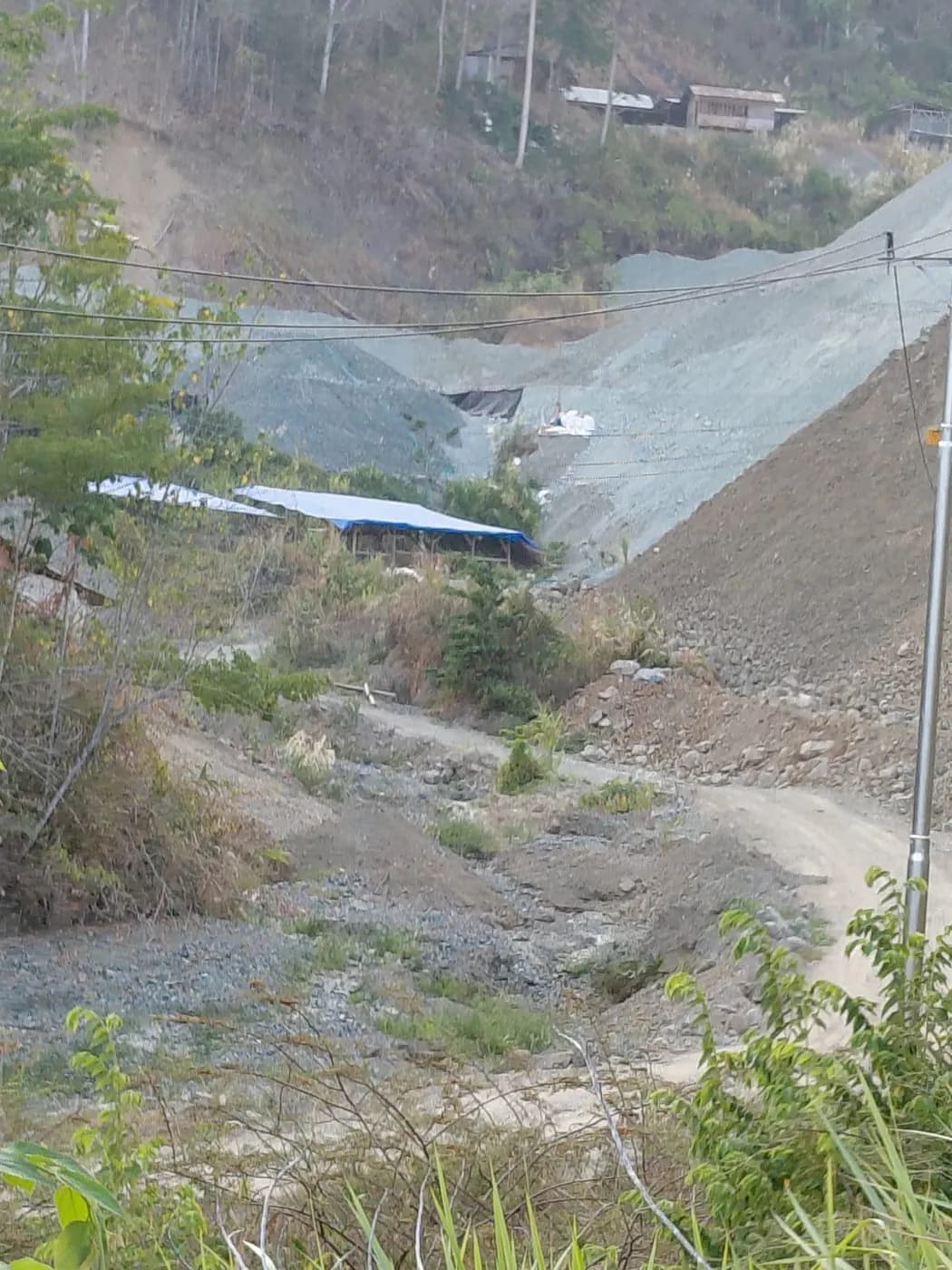
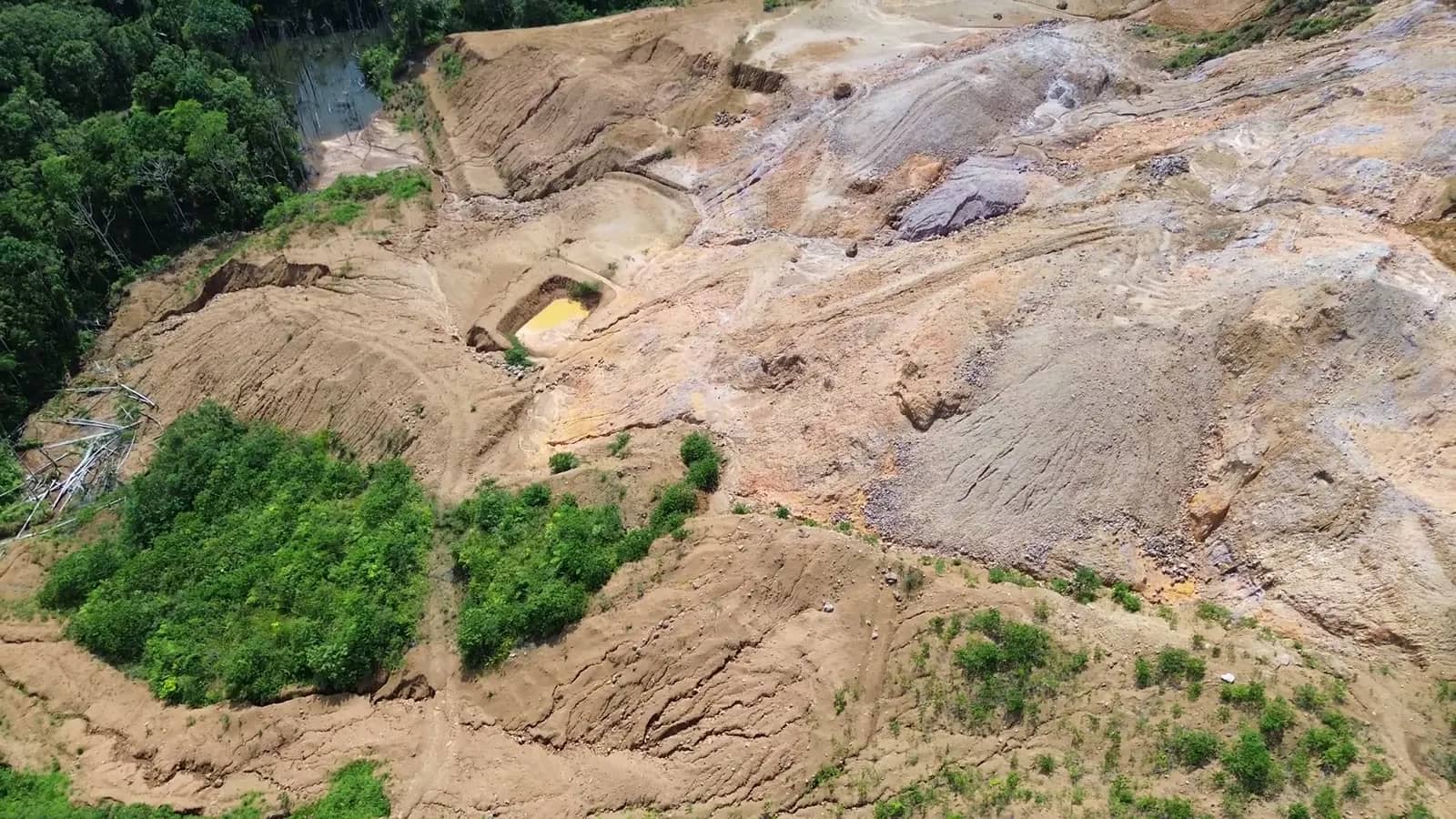
Small-scale gold mining is the largest source of mercury pollution made by people. In Indonesia alone, about 46,900 waste areas remain near villages, rivers and rice fields. Almost no one is obliged to clean them up. ESMI was founded to do that work and to measure it in the open. It also makes sure the land, the jobs and a fair share of the metal go back to the people who live next to it.
Why we do this
The harm is large, measured and still growing.
Mercury used to bind gold escapes into the air, settles in rivers, turns into methylmercury and builds up in fish and rice. It damages the nervous system, above all in unborn and young children.
838t/yr
mercury to the air from small-scale gold mining: 37.7% of all emissions made by people, the largest single source
UNEP Global Mercury Assessment 2018
1.22million
healthy life-years (DALYs, each one healthy year of life lost) lost every year worldwide to mercury from small-scale gold mining, probably an underestimate
Steckling et al. 2017
±46,900
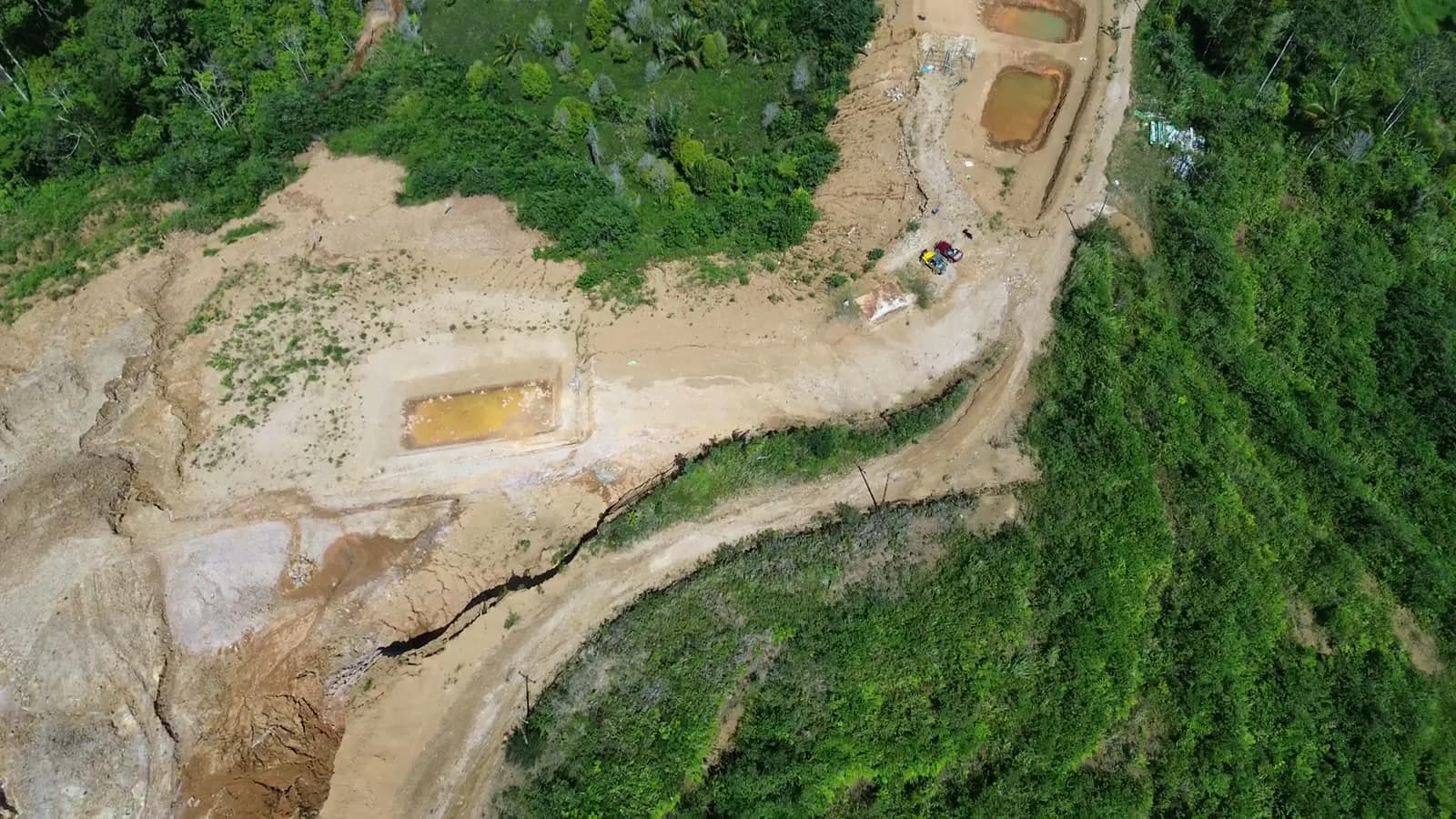
gold-mine waste areas in Indonesia, on about 93,500 ha; ±92% lie outside any permit
ESMI national scan 2026
330
people killed in 105 accidents in illegal gold mines in Indonesia since 2015
ESMI incident register, to Oct 2026
The gap
Prevention is funded. The old waste is not.
Global programmes such as planetGOLD help today’s miners stop using mercury. That work is essential, and it does not touch the mercury that already lies in millions of tonnes of old waste.
The Minamata Convention asks countries to deal with contaminated sites (article 12), but it sets no deadline and no funding. Indonesia’s own target of mercury-free small-scale mining by 2025 (Perpres 21/2019) was not met.
Most waste lies on land without a permit holder, so no company is obliged to clean it. Covering it with soil does not stop rain and rivers from carrying it away. The waste stays, and the poison keeps moving.
What ESMI stands for
Mission, vision and ambition.
Mission
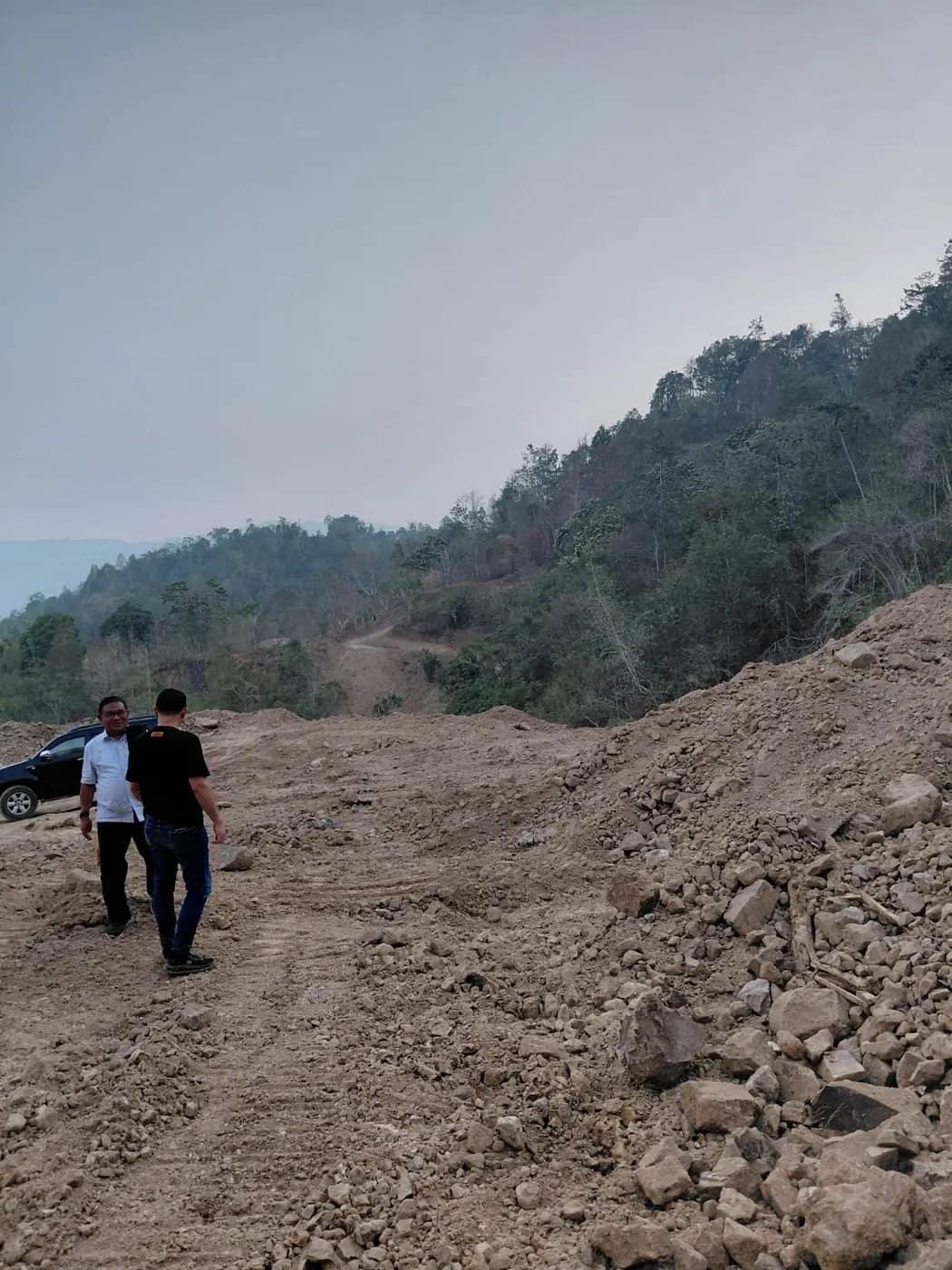
Clean up gold-mine waste where it lies, safely and measurably: mercury made solid and removed, cyanide broken down, all the residual sand turned into bricks, and the land returned to the village. Every result published, every figure checked by others.
Vision
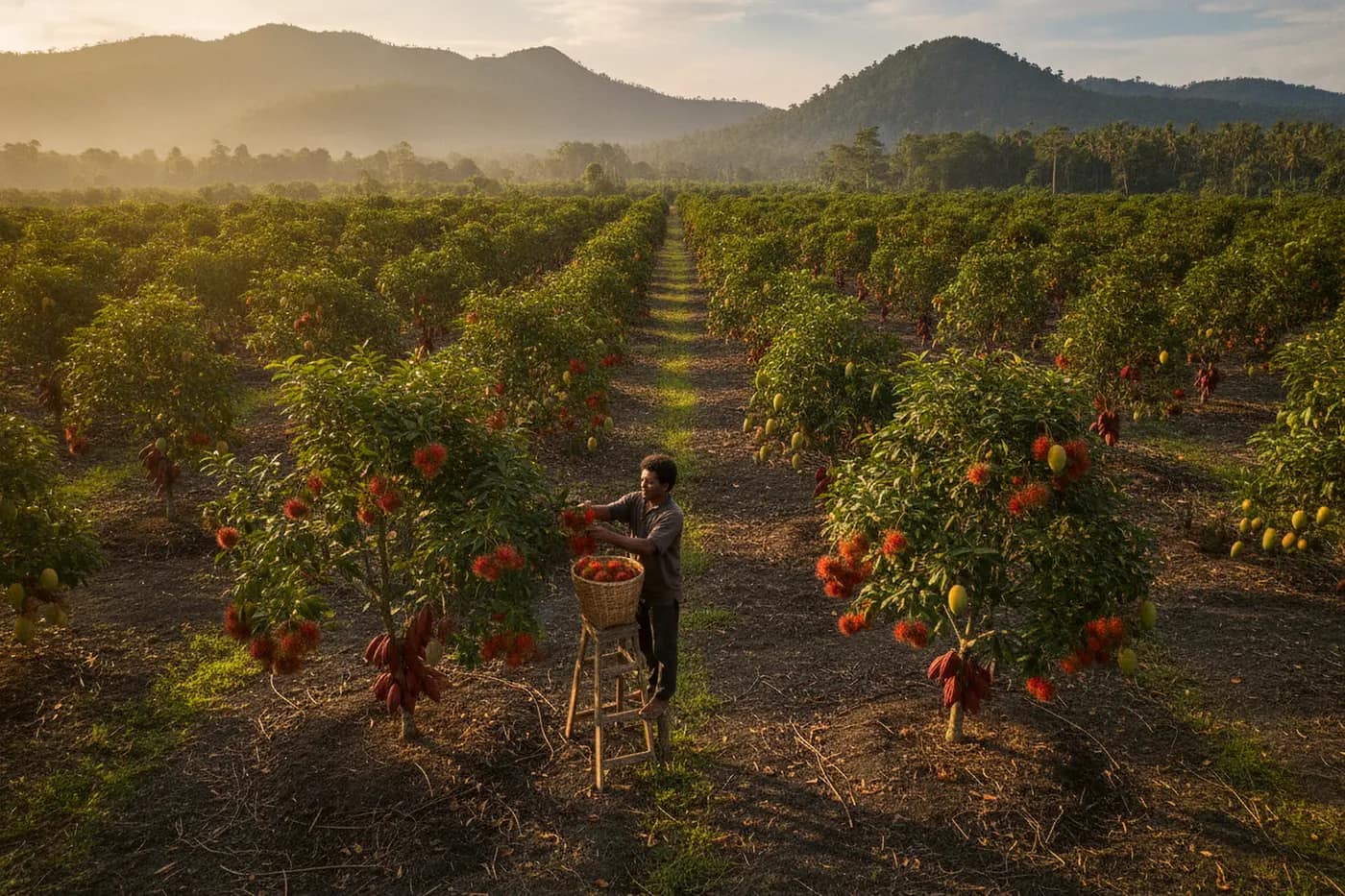
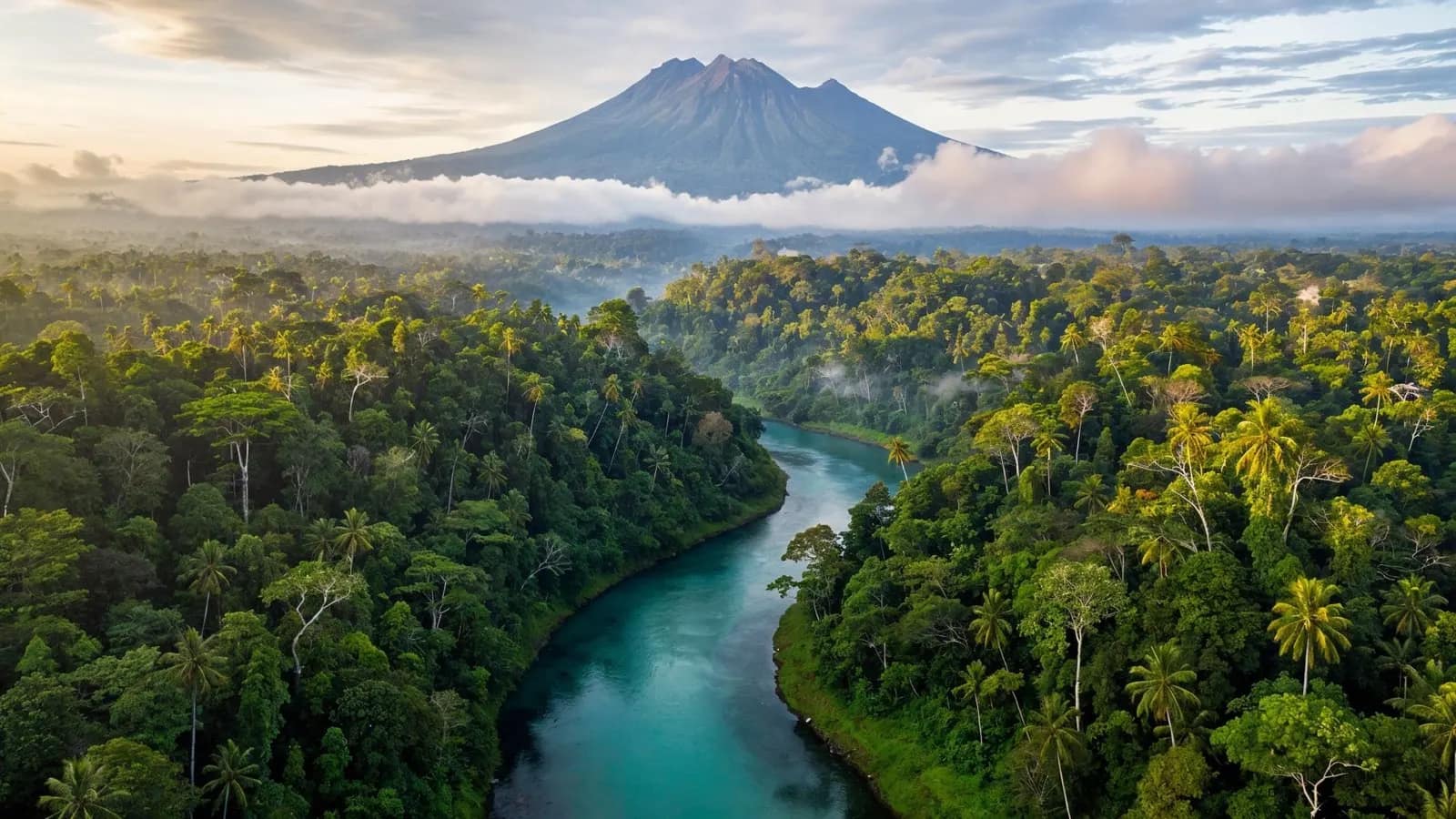
A world where no child takes in mercury with rice or fish, where mining waste becomes material for homes and roads, and where the value of minerals stays with the people who live on the land.
Ambition
To become the global reference for the safe clean-up of old gold-mine waste: measurably less mercury in people and food, land back to villages, and an open, fair share for the people who live there. First in Indonesia, then in every country that asks.
Efficiency
Almost everything that is dug up becomes waste. That waste still holds metal.
By mass, gold is about one ten-thousandth of a percent of the rock that is mined. Mercury amalgamation (binding gold with mercury) in the field typically recovers 10 to 50% of the gold, often 30% or less; studies in North Sulawesi found 10 to 20%. The rest of the gold, and much of the mercury, stays in the heap.
Use the whole mass
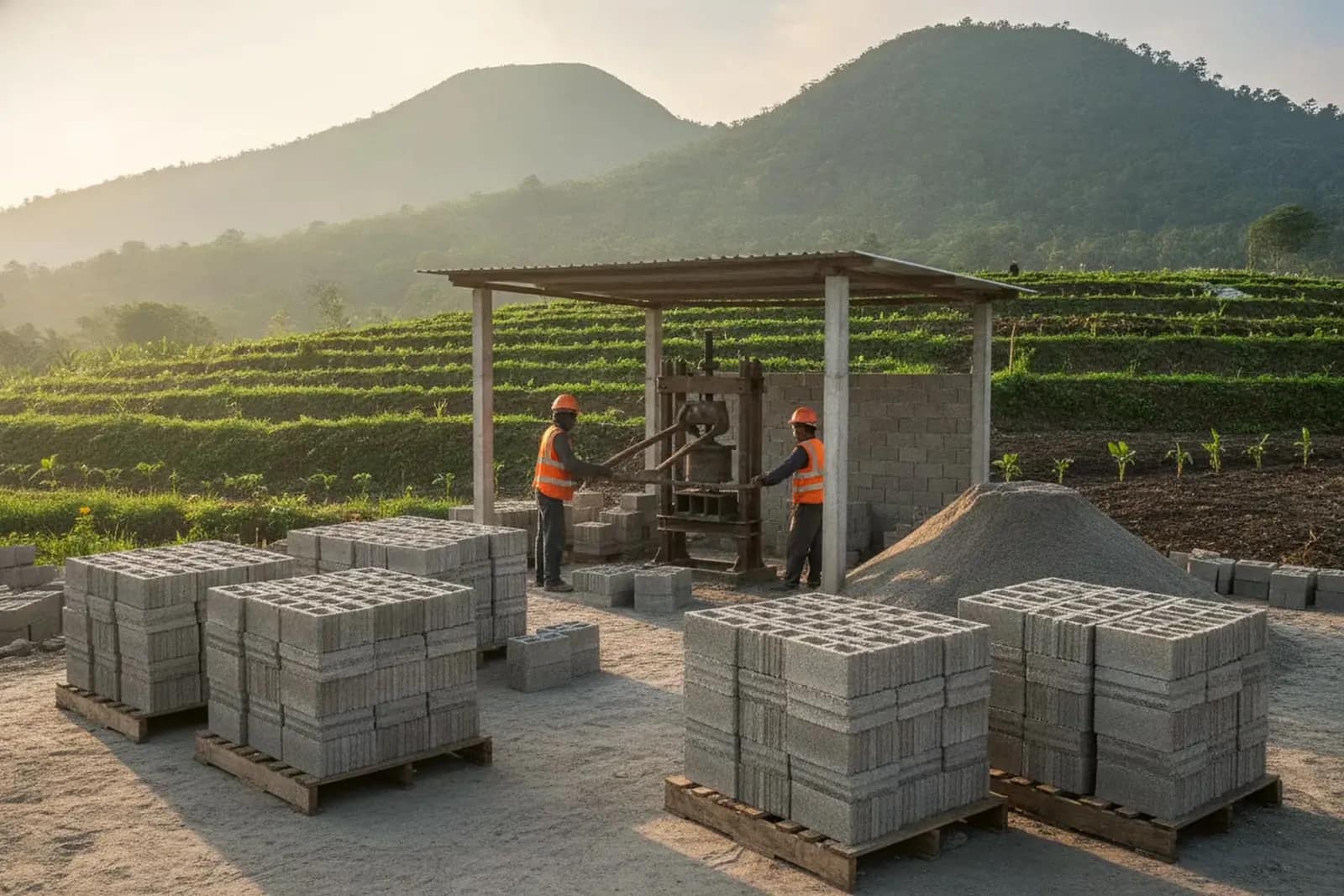
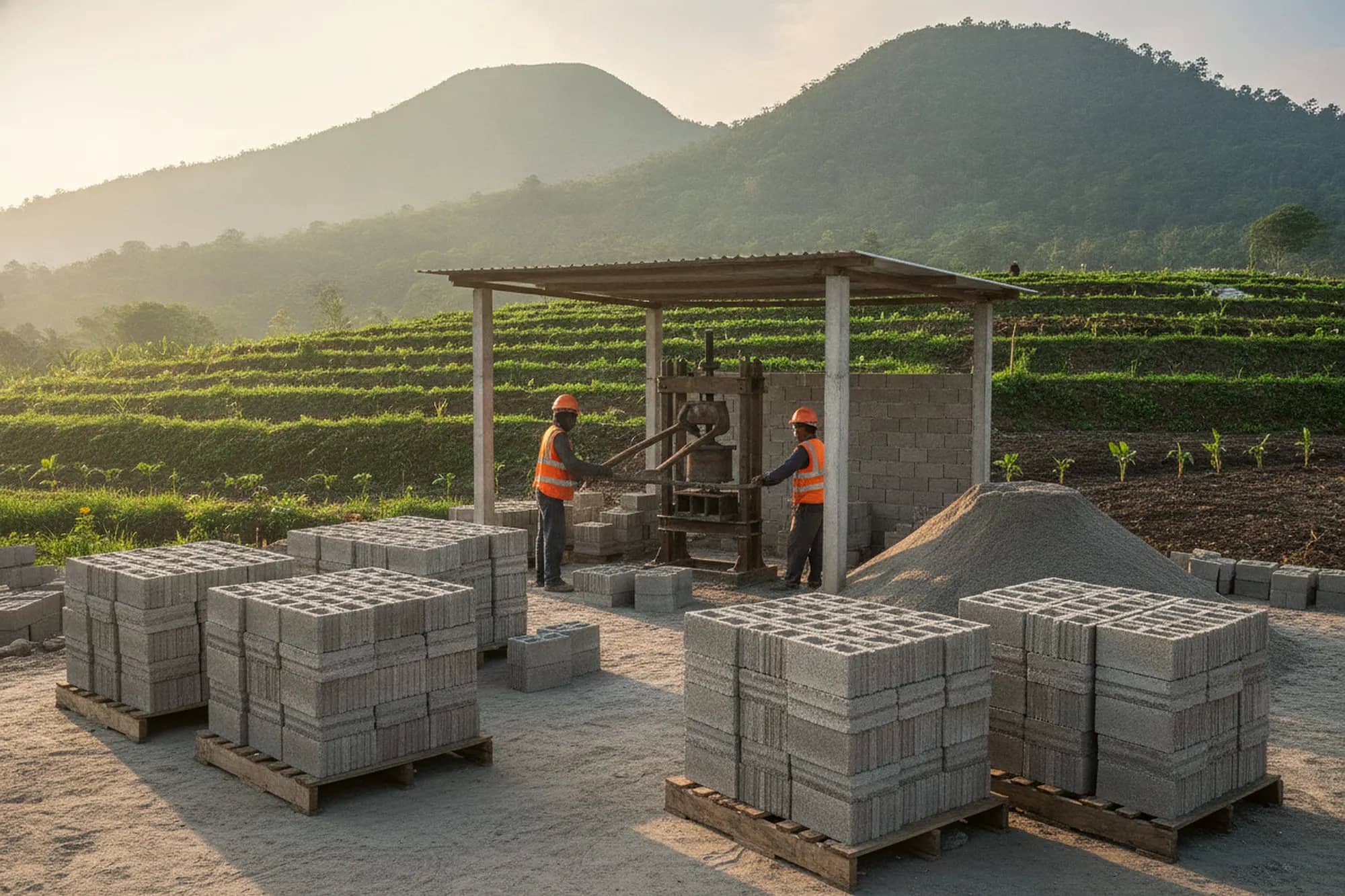
The 10-tonner is designed to leave nothing behind. Metals are separated without mercury or cyanide, and 100% of the residual sand, bound with cement, becomes bricks and paving.
Recover more metal
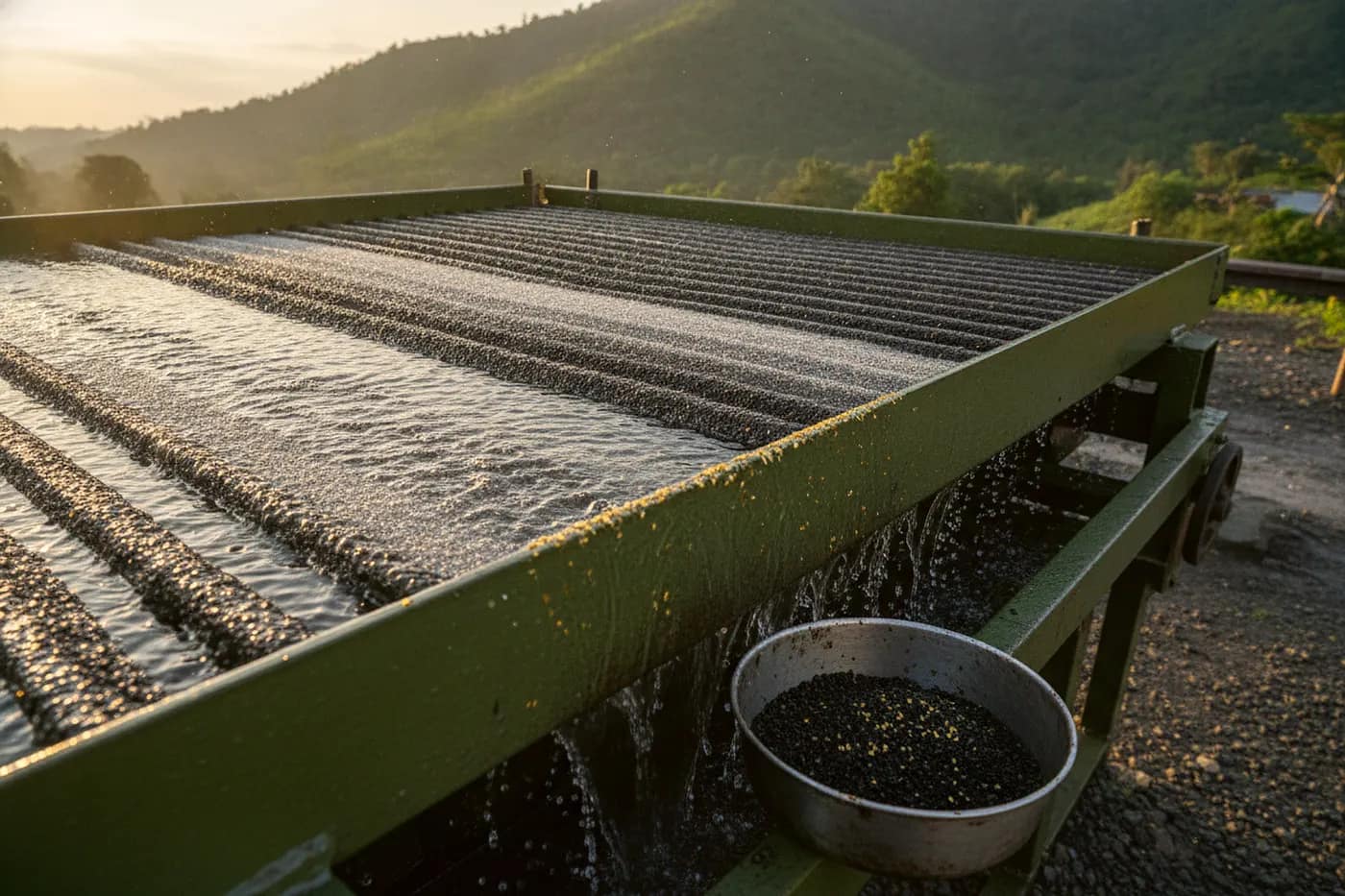
Gravity tables recover gold, silver, platinum, palladium and titanium from waste that earlier miners left. How much gold comes back is measured in the Bolmong pilot before the next phase starts.
Remove the poison
ESMI microbes turn harmful liquid mercury into a solid that can be removed and stored safely. Cyanide is broken down into harmless compounds.
Return the land
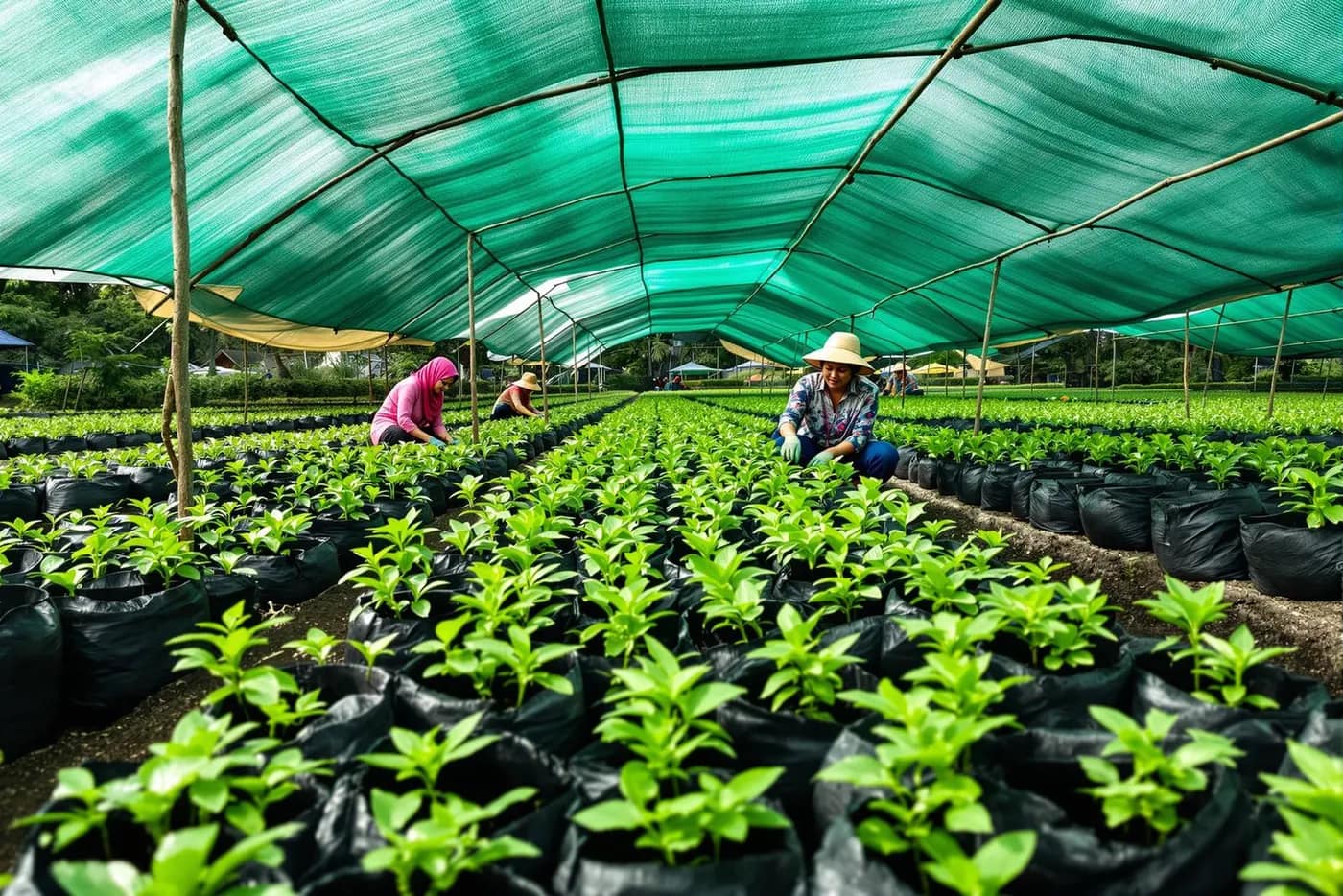
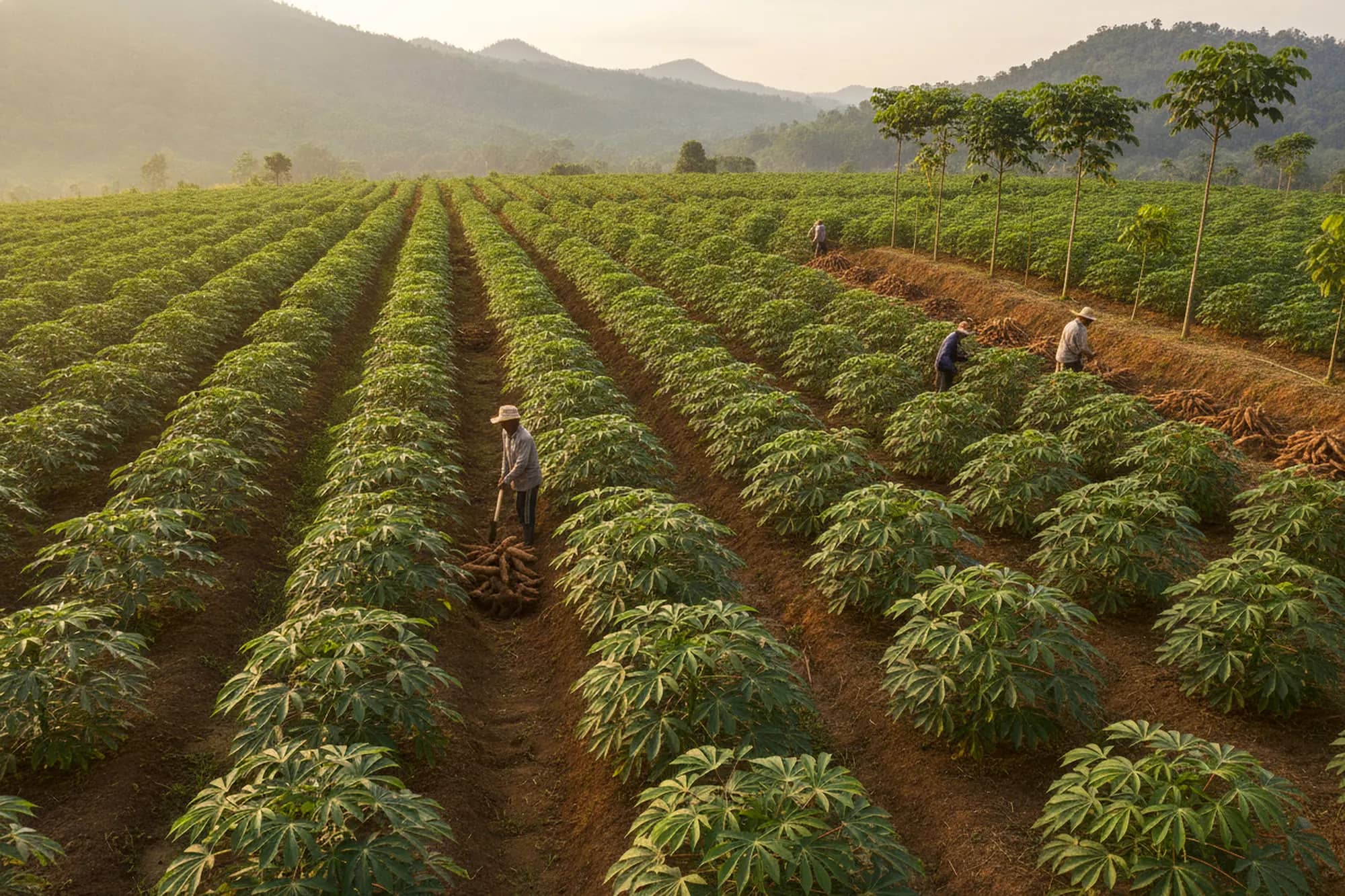
About 95,000 ha cleaned and replanted over ten years in Indonesia, with native species and the uses the village chooses.
A basic income for everyone
A basic income for every person is our horizon. The arithmetic keeps us honest.
ESMI was founded on a simple idea: if mineral wealth were extracted efficiently and shared fairly, no one would need to live in poverty. Here is what the numbers say about that idea today.
| Per year | Per person per day | |
|---|---|---|
| All gold mined in the world in one year (3,672 t) | ≈ USD 440 billion | ≈ USD 0.15 a day, about 5% of an income at the USD 3 poverty line |
| All rents from minerals, oil and gas (≈ 3% of world GDP) | ≈ USD 3,600 billion | ≈ USD 1.20 a day, about 40% of that income |
| Ending extreme poverty with well-targeted cash transfers | ≈ USD 300 billion (0.28% of world GDP) | about USD 1 a day for each of the 808 million people below USD 3 a day |
Gold alone cannot pay a basic income for 8 billion people, and ESMI will not claim it can. But ending extreme poverty costs less each year than the gold mined in a single year. The money exists. What is missing is a way for mineral value to reach the people who live on the land, under open books. That is what ESMI builds, site by site, and measures.
Sources: World Gold Council 2025 (mine output); gold price November 2026; World Bank resource rents; Sahoo, Blumenstock et al., NBER working paper w34583, revised 2026 (not yet peer reviewed); ESMI calculation for the per-person figures
A fair share, built in
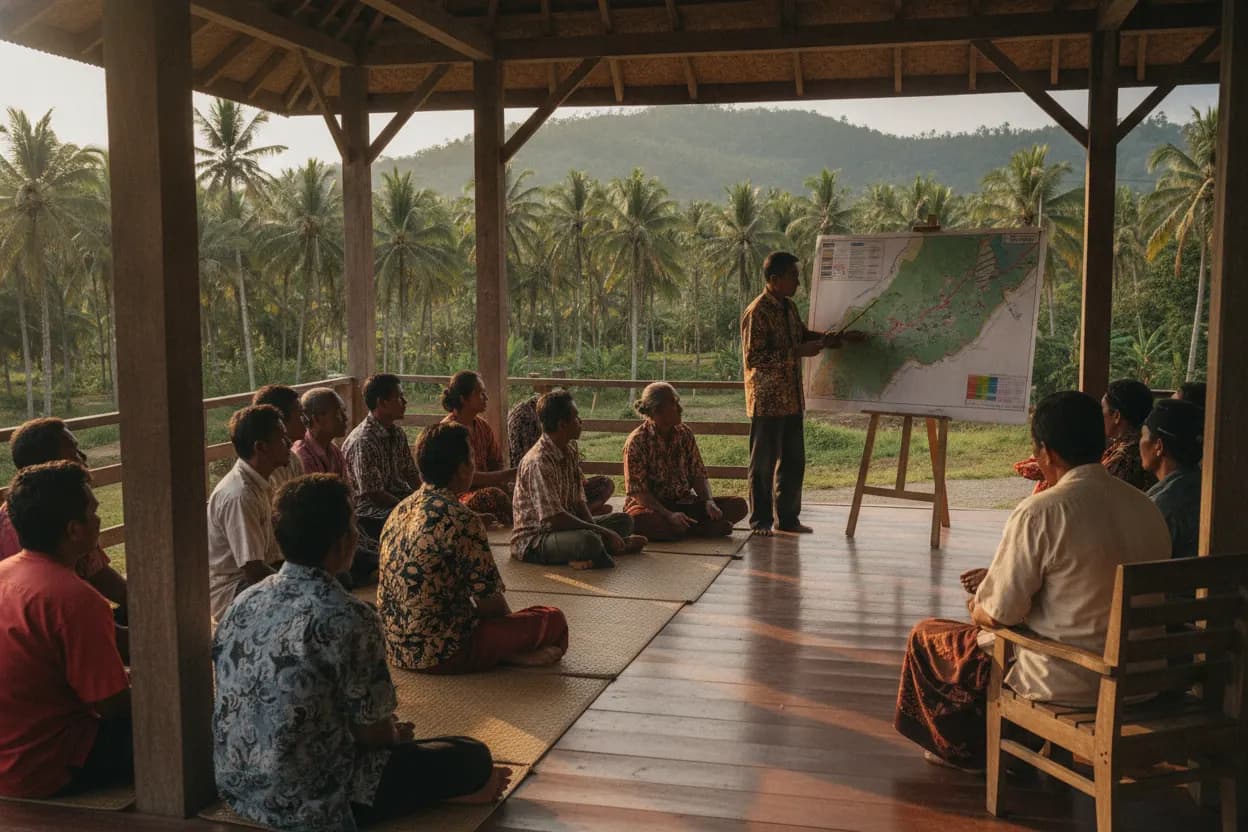
Where metal is recovered, a fixed, public share goes to the people who live there.
Distribution is not left to goodwill. It is agreed per site before work starts and reported every year.
- A share of the metal. Where metal is recovered, a share goes to the cooperative, the landowners and the province, agreed per site and published every year.
- Wages that beat the pit. 26 permanent jobs per machine, at least 80% from nearby villages, former illegal miners first. Pay must at least match what mining paid, or people go back to the pits.
- Money paid to people. Shares and wages are paid digitally to the person, not in cash through intermediaries. Cash in the hands of poor households does not reduce work and multiplies through the local economy, about 2.5 times in a large study in Kenya.
- Land and bricks for the village. Cleaned land goes back to the village or the landowner. Bricks and paving from the sand serve roads, schools and social housing in the region.
Open books
Wealth alone does not end corruption. Oversight does.
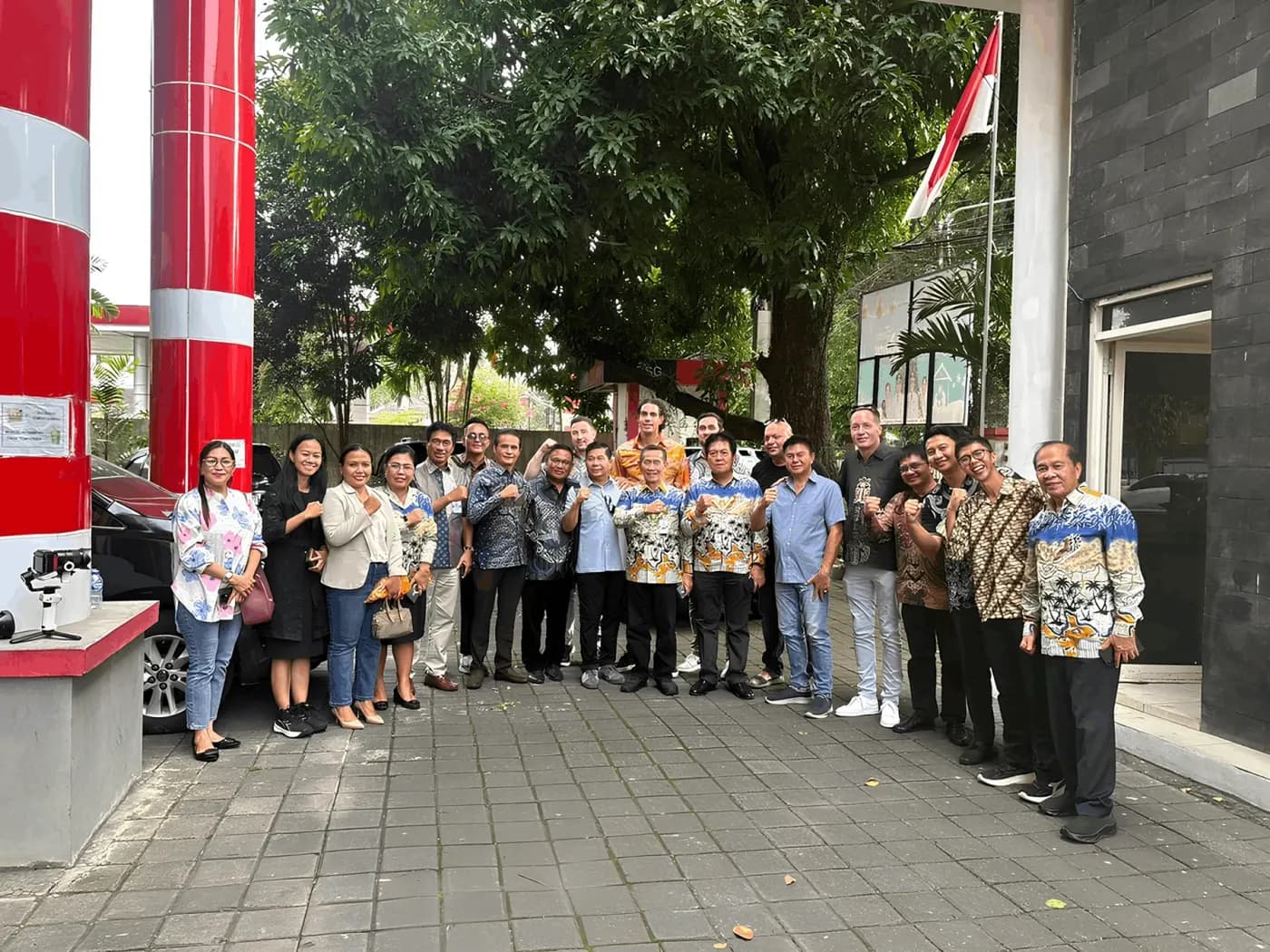
Studies show that new mineral wealth often brings more bribery where oversight is weak. What has worked, including in Indonesia, is checking and publishing: independent audits of village road projects reduced missing funds, and publishing school grants in newspapers increased the money that reached schools. ESMI is built on those findings.
Ring-fenced accounts
One account per funder, payment only on verified results.
Independent audit
An external auditor checks tonnes, hectares, payouts and milestones before every payment.
Public payouts per site
What each cooperative, landowner and province receives is published, site by site, every year.
A way to complain
Every village has a complaints mechanism outside the site management, and the answers are logged.
What we claim
We separate what is measured, what is plausible and what is still an aspiration.
What we will measure and publish
- Mercury made solid and removed per site, with a full mass balance.
- Mercury in hair, urine, fish and rice near each site, before and after, measured by Unisma.
- Hectares returned to villages, and how they are used.
- Jobs, wages compared with former mining income, and the public share paid.
What we do not claim
- That gold can pay a basic income for the whole world.
- That 99.99% of the gold can be recovered; the best industrial processes reach about 98%. What can approach 100% is the use of the waste mass, if leaching tests allow it.
- That the first 10-tonner already runs: it is planned for 2027.
Our scorecard
How ESMI will be judged: eight results, all in public.
Mercury is one part of the job. ESMI will be judged on all of it: poison removed, people healthier, waste turned into material, land back in use, fair work and a fair share. Every result is measured per site and checked by someone outside ESMI.
 01 · Poison
Mercury removed
Tonnes of mercury made solid and removed, with a mass balance that closes within ±15%.
Checked by Lab analysis before and after, per site
 02 · Poison
Cyanide broken down
Cyanide in water and sand broken down to below the legal limit before any land is handed back.
Checked by Water and sand tests by an accredited lab
 03 · Health
Less mercury in people and food
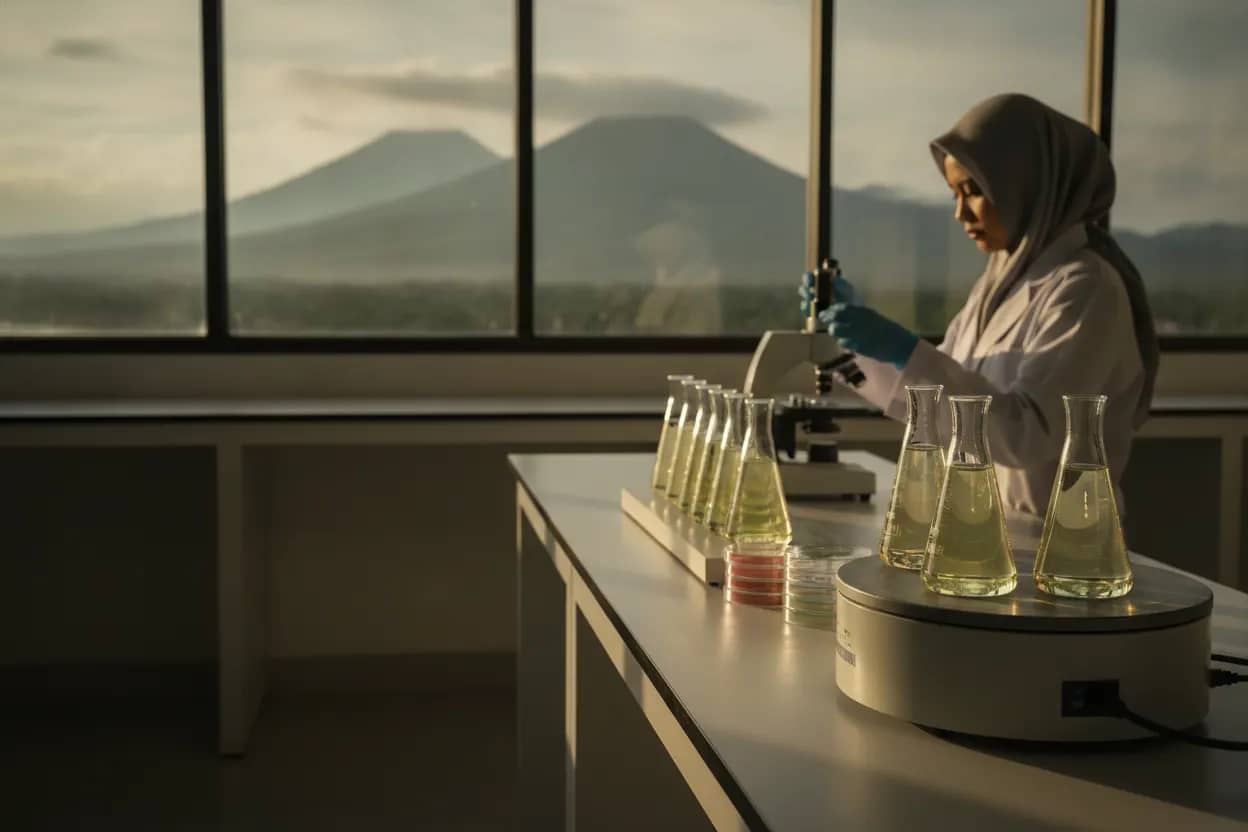
Mercury in hair, urine, fish and rice near each site, measured before the clean-up and after.
Checked by Unisma research team
 04 · Waste
Waste cleaned and reused
Tonnes of waste cleaned, and the share of residual sand that becomes bricks and paving. The target is 100%.
Checked by Weighed batches and production logs, audited
 05 · Land
Land back in use
Hectares cleaned, replanted and handed back, and what the village uses them for one year later.
Checked by Satellite images and site visits
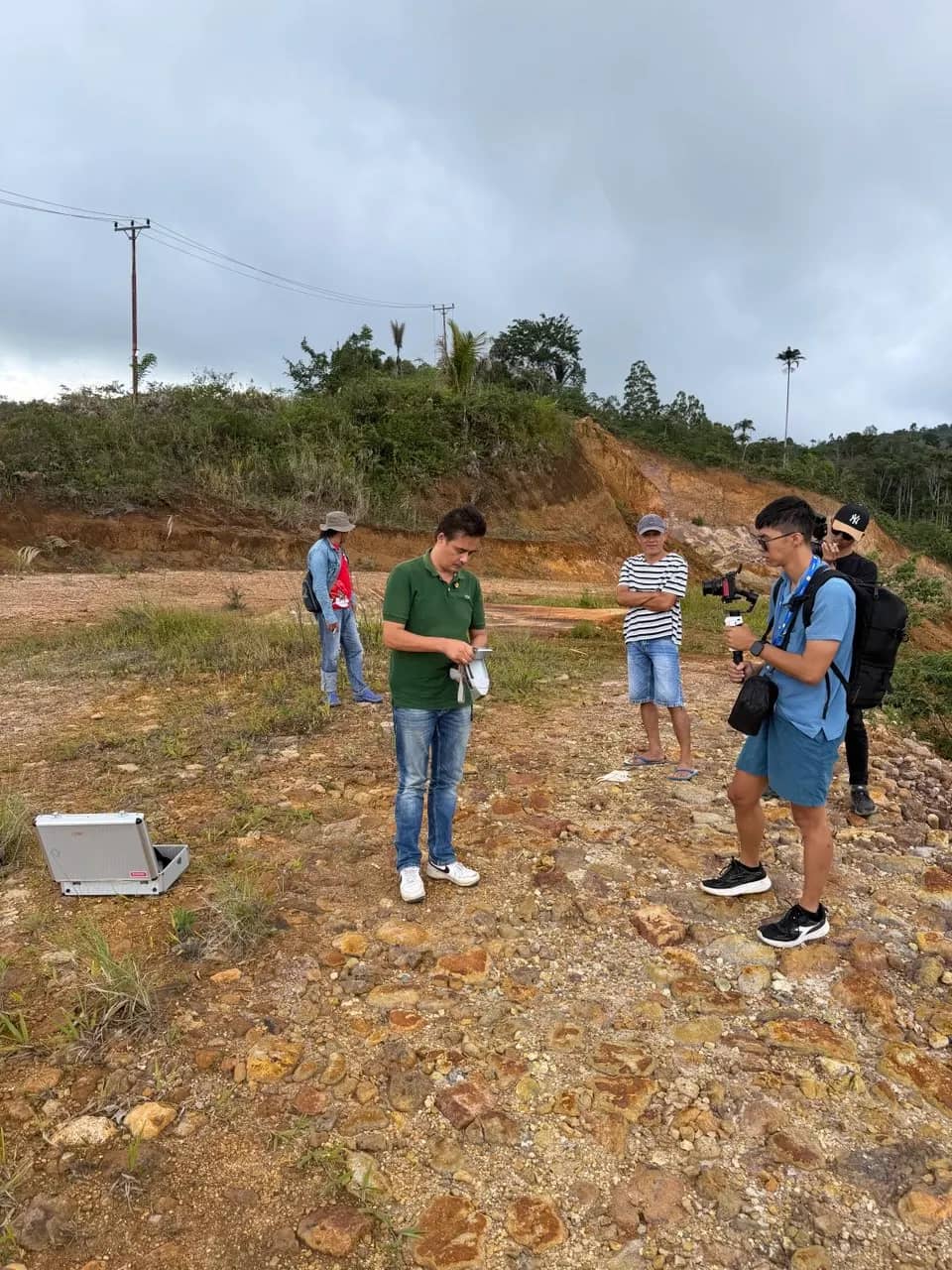 06 · Work
Jobs and pay
Permanent jobs, the share filled from nearby villages (at least 80%) and wages compared with former mining income.
Checked by Audited payroll
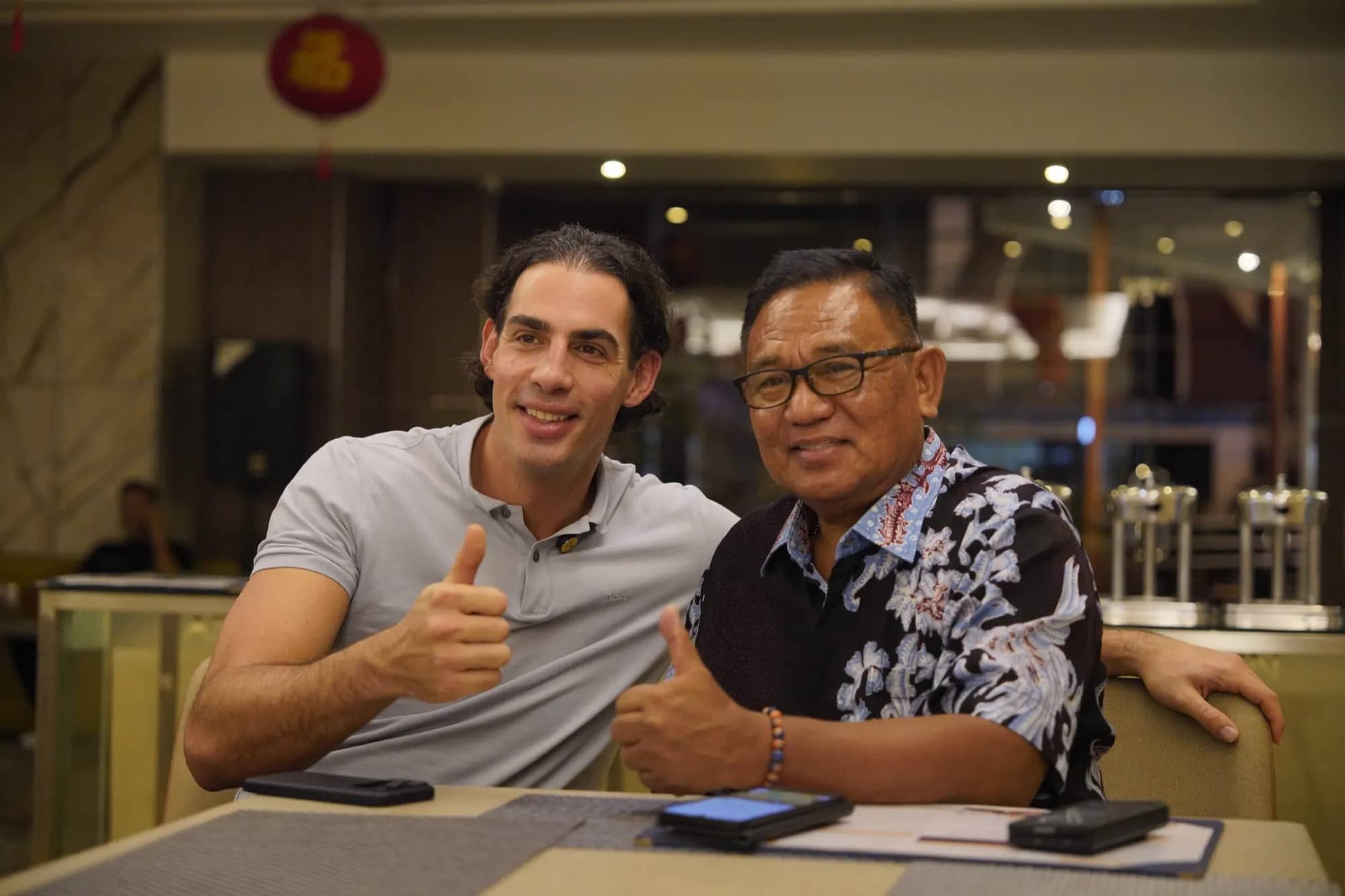 07 · Fair share
Value shared
What each cooperative, landowner and province receives, site by site, and how people were paid.
Checked by External auditor, published every year
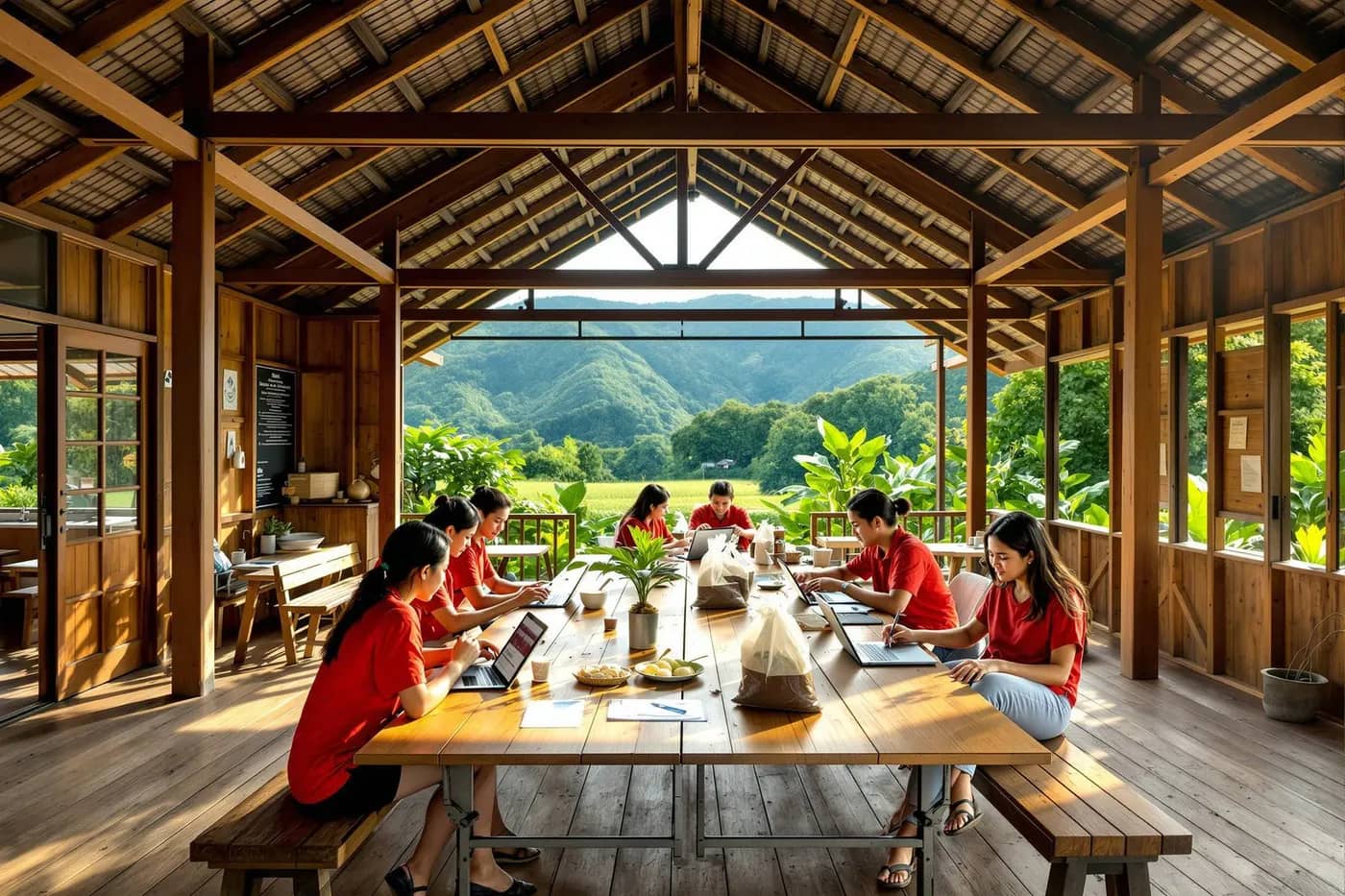 08 · Value for money
Cost per healthy life-year
US dollars per healthy life-year (DALY) gained, the measure the most effective health programmes are judged by.
Checked by Independent evaluator
The first results come from the Bolmong pilot. Each figure is published per site once it has been checked.
From one pilot to every country with gold-mine waste
How the method is meant to travel, which countries carry the heaviest mercury burden and how many 10-tonners the world may need.
Sources: UNEP Global Mercury Assessment 2018; Steckling et al. 2017; Perpres 21/2019; Minamata Convention art. 12; World Gold Council 2025; Sahoo, Blumenstock et al. 2025/2026; Olken 2007; Reinikka & Svensson 2005; Egger et al. 2022; Banerjee et al. 2017; Knutsen et al. 2017; ESMI national scan and business plan (key figures, November 2026).