Skip to content
ESMIEco Sustainable
Mining Initiative
Language
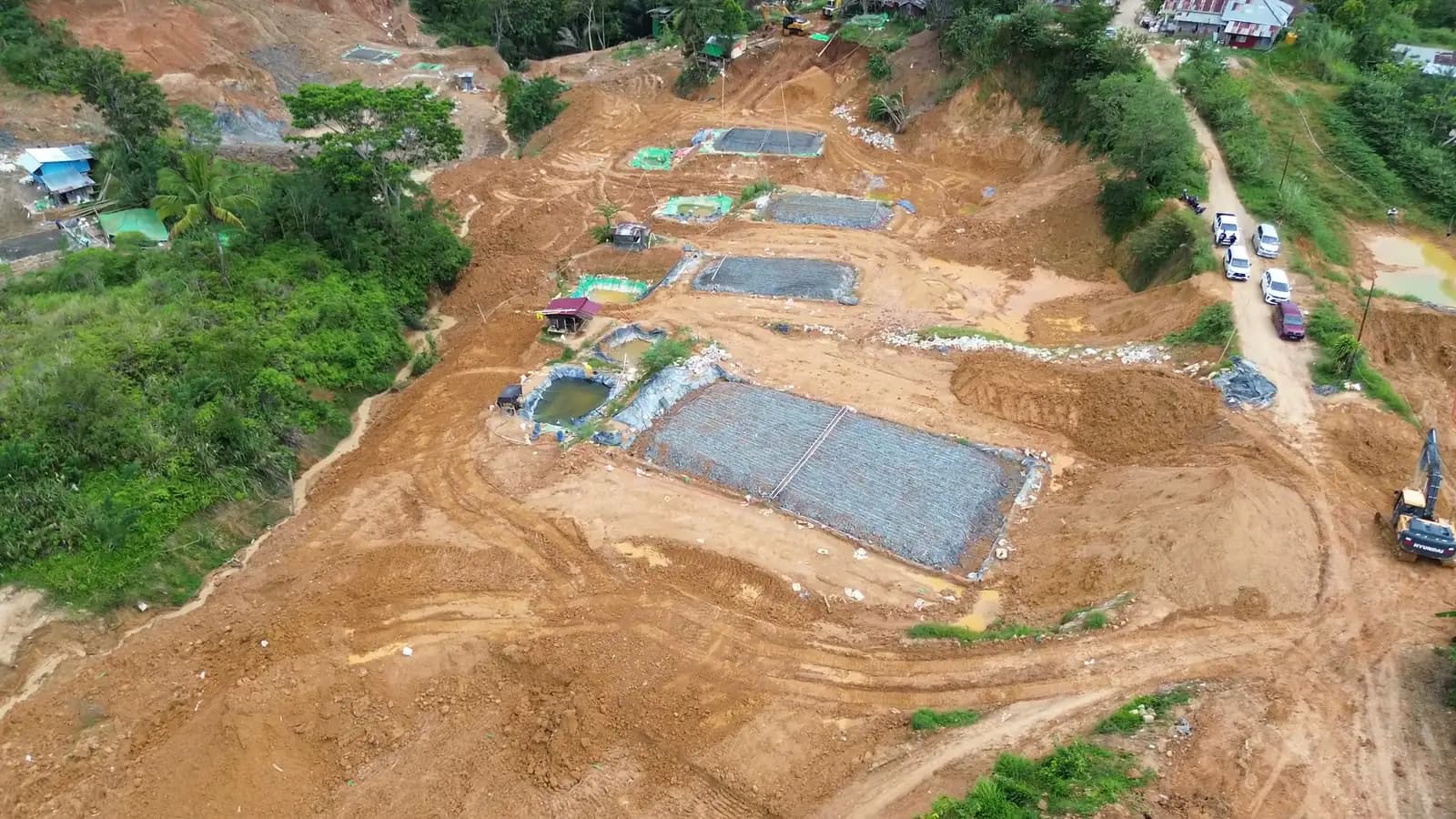
Drone footage: cyanide leach pads and white waste heaps at Ratatotok, North Sulawesi

The problem

Mercury and cyanide from gold-mine waste poison people, animals, rivers, rice and fish. ±92% lies outside any permit.

The waste also swallows forest and farmland, and pits and heaps collapse on the people working them. ESMI mapped every mine-waste site in Indonesia from satellite data, models and field work. The waste is both old and new, and it is still growing.

In 2026, someone died in an illegal gold mine every three to four days (as of 25 Oct 2026). 88 deaths, 1 Jan–25 Oct 2026 · ESMI incident register

Real footage from Ratatotok, North Sulawesi, 2026; not an ESMI site. Rock is piled on plastic and sprinkled with cyanide solution; what remains are the white waste heaps.

What you see

What you see from the air

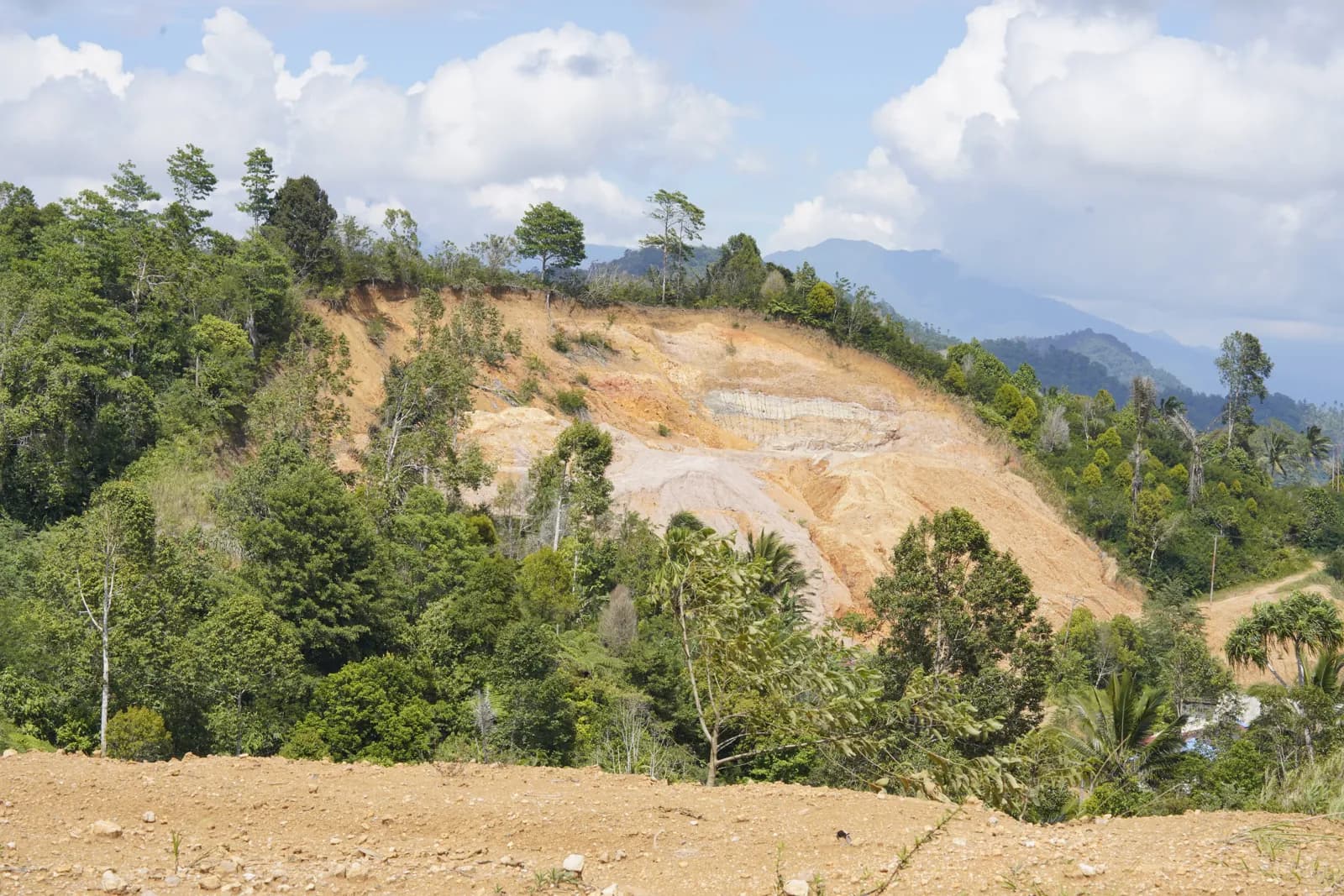
Bare heaps, yellow ponds and plastic-lined leach pads, cut into the forest. Rain washes the waste downhill, into the rivers that villages fish and farm from.

Bare mine waste with a pond of yellow water at the edge of the forest. Rain cuts gullies into the waste and carries it downhill. North Sulawesi, 2026; not an ESMI site.
Cyanide leach ponds dug beside a heap of mine waste, with forest all around. North Sulawesi, 2026; not an ESMI site.

What it is

What it is

Two methods leave two poisons behind. Neither disappears by itself.

Mercury from the drums

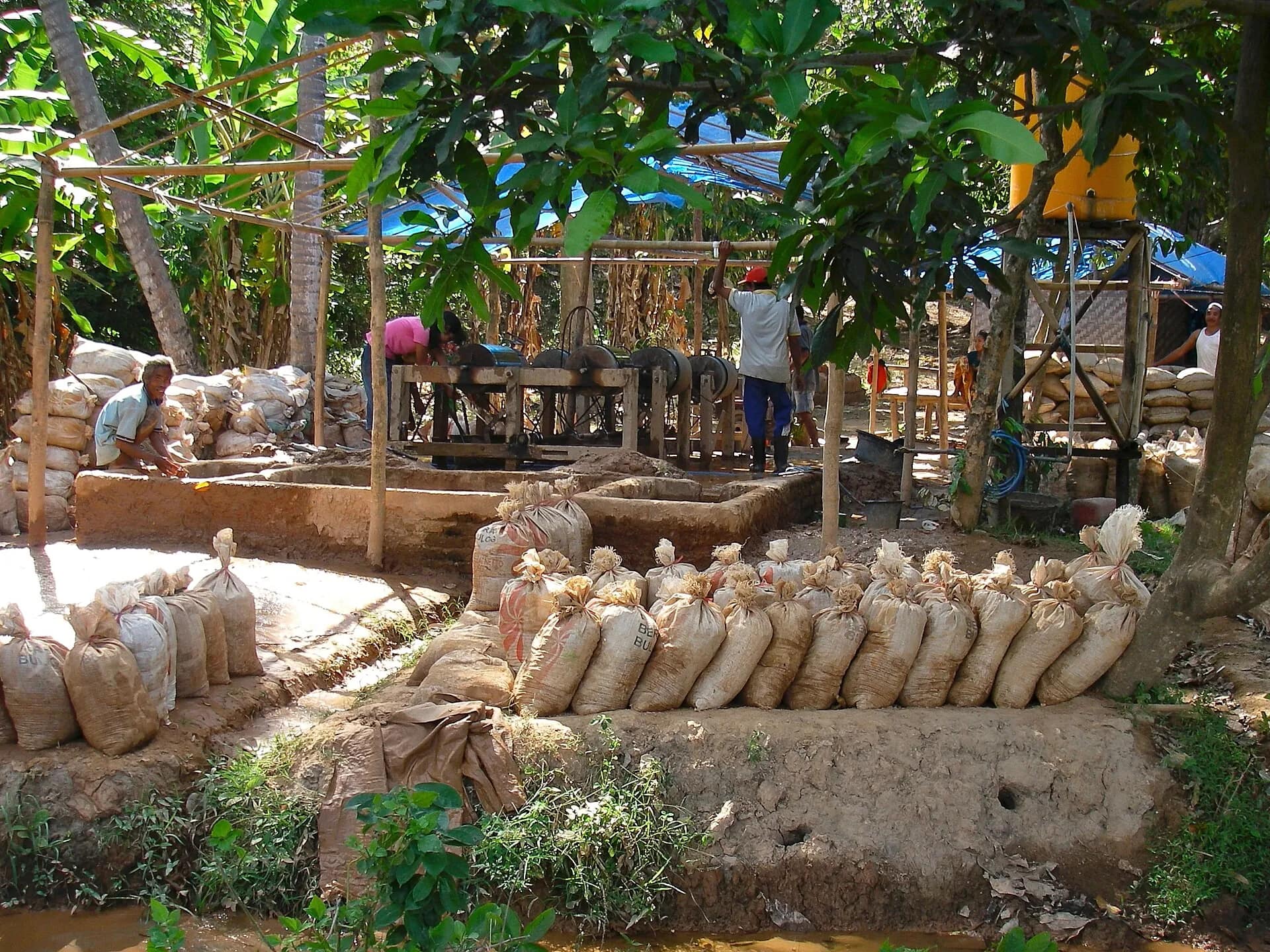
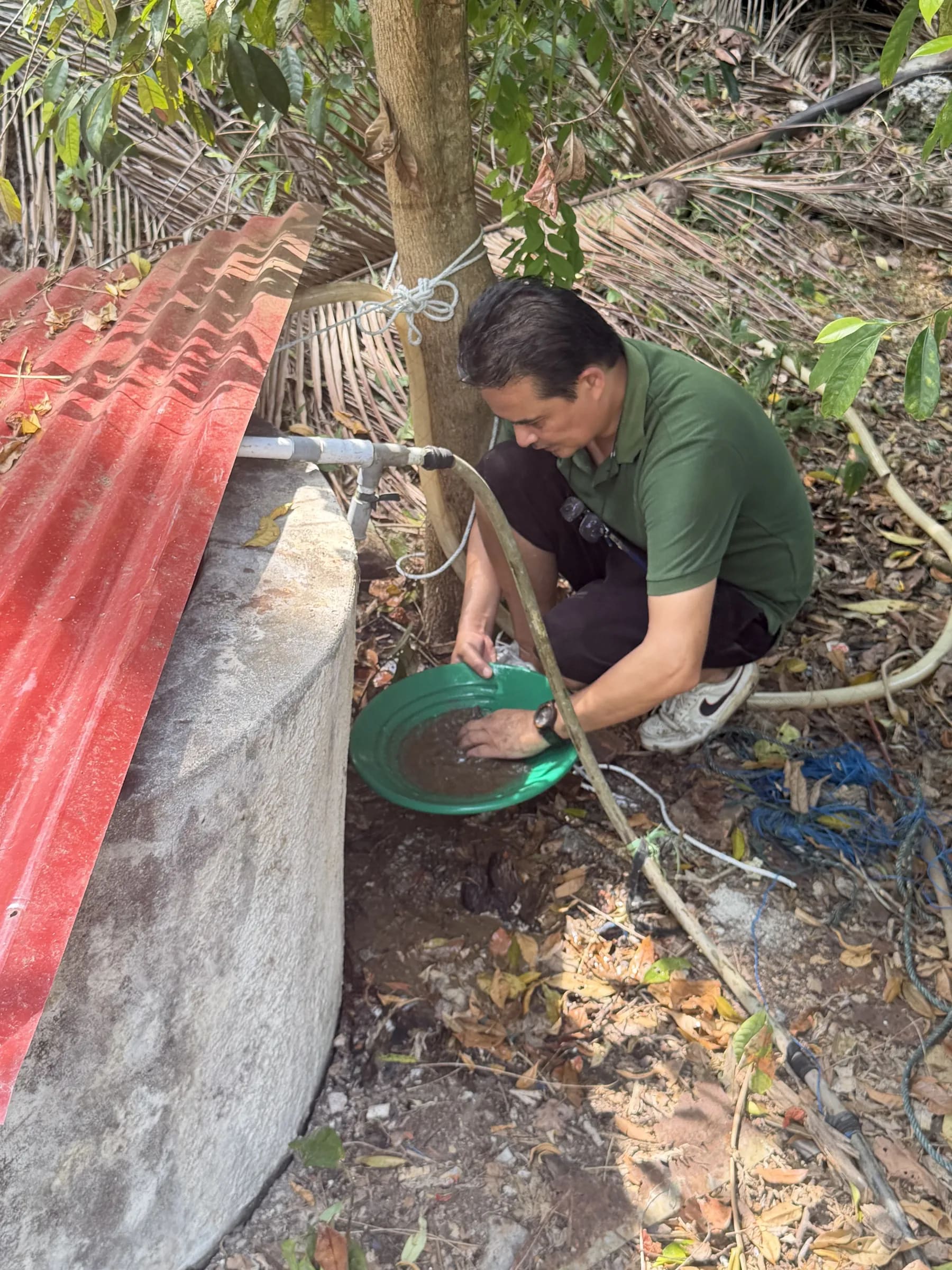
Ore is ground with liquid mercury in drums (tromol, drum mills where mercury is mixed with ore) to catch the gold. Part of the mercury stays in the residue, part is burned off into the air. In water it becomes methylmercury, which builds up in fish and rice.

Cyanide on the heaps

Crushed rock is piled on plastic and sprinkled with cyanide solution, which dissolves the gold. The spent heaps and ponds still hold cyanide and metals, and seep into soil and streams.

The waste left behind

What remains is fine sand and rock: tens of thousands of heaps, often next to houses, rice fields and rivers. Nobody owns most of them, so nobody cleans them up.

Sekotong, Lombok: a private gold-washing workshop. Ore is ground with mercury in drums; the residue goes straight onto the land.

More than three billion tonnes of gold-mine waste. The oldest heaps have leaked for decades.

Satellite map of Indonesia. Coloured squares show where gold-mine waste lies, most of all in Central and West Kalimantan and on Sumatra in Jambi, Riau and Aceh, with smaller groups on Java, Nusa Tenggara, Sulawesi, Maluku and Papua.

Gold-mine waste areas per square

  • 1–4
  • 5–19
  • 20–99
  • 100–499
  • 500 or more

About 46,900 waste areas in total (45,000–48,700). Source: ESMI national report on Indonesia’s mine waste, Nov 2026.

Each square is about 11 by 11 km. Only Indonesia was scanned. Satellite images 2016–2026. No site locations. Basemap: NASA Blue Marble.

How old the waste is

  • Before 201614%
  • 2016–202040%
  • 2021–202646%

Year a waste site first appears on satellite images (every mapped gold site, 1990–2025). Old heaps have leaked for decades; 46% appeared after 2020. The problem is still growing.

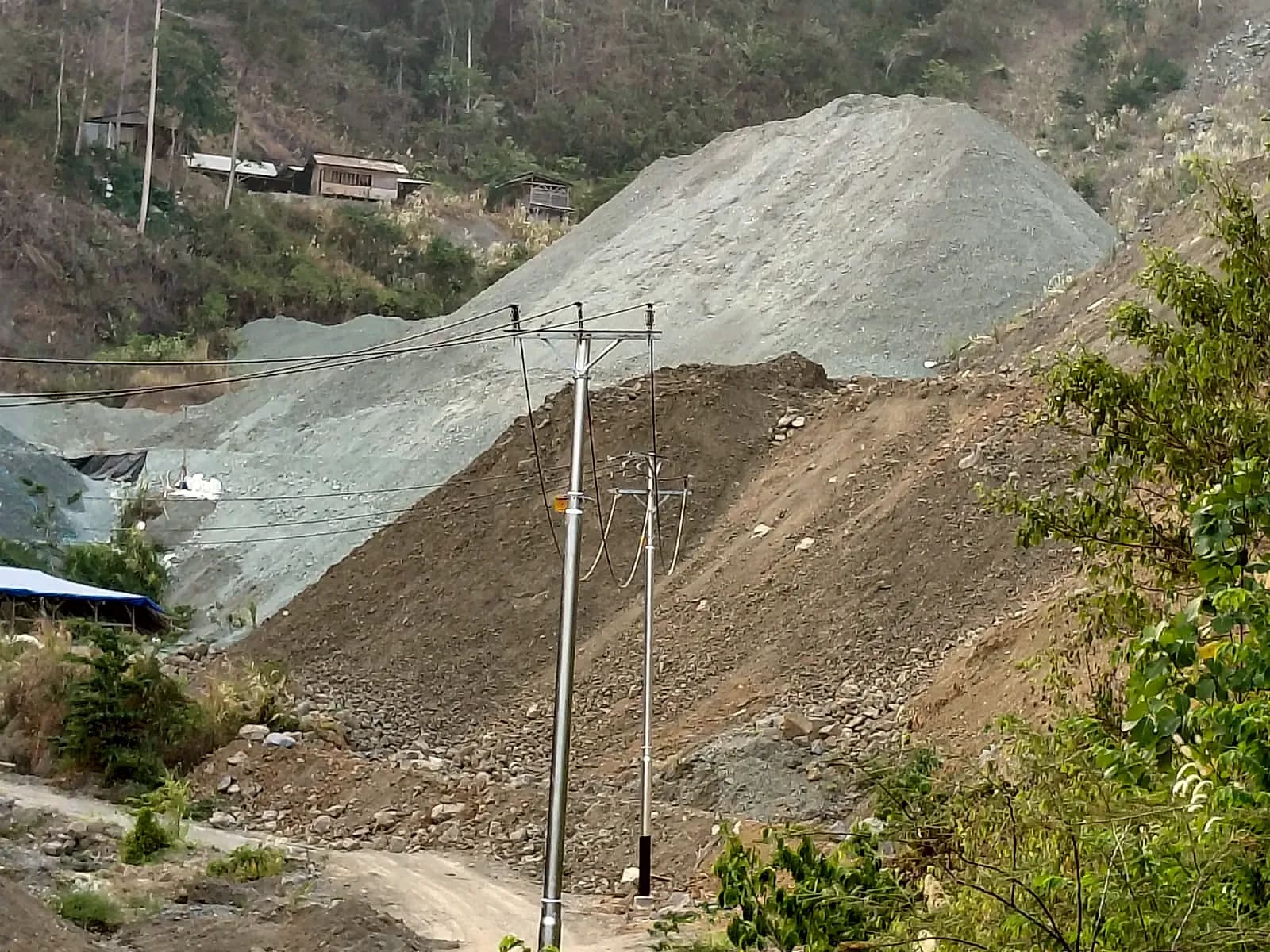
A grey heap of mine waste next to a hillside village in North Sulawesi
Cyanide-leached waste heap, North Sulawesi. Field photo.
  • about 3.3 billion t

    gold-mine waste in total (range 1.9–5.2 billion t)

    EstimateVolume model

  • 180 Mt

    is the mercury- and cyanide-bearing part and goes through the machine

    EstimateSolution model per waste type

  • 425,000 ha

    of mining land, all commodities together

    EstimateESMI national report on Indonesia’s mine waste

  • 88

    deaths in illegal gold mines in 2026 (as of 25 Oct 2026)

    EstimateESMI national report on Indonesia’s mine waste

About 92% of the gold-mine waste land lies outside any permit, so no one has a duty to clean it up, and no fixed source of funding exists for it. This programme fills that gap.

Source: Business plan § 1.1; ESMI national report on Indonesia’s mine waste; MapBiomas 1990–2025 and Sentinel-2 (age).

The problem, province by province

Where the waste lies. More than 93,000 ha of land is covered with waste from gold mining. The lighter the province, the more waste land it holds.

Gold waste land (ha)

  • 1–50
  • 50–200
  • 200–1,000
  • 1,000–5,000
  • 5,000–20,000
  • ≥ 20,000
  • None found
  • No mining areas in the scan
  • ⚠ Second scan round, older images still being checked

Real gold-mining waste ground, best estimate (P50) per province. The provinces add up to 93,514 ha; the national estimate is about 93,500 ha (87,800–96,100).

ESMI national report on Indonesia’s mine waste, Appendix M

Who pays

Who pays the price

Miners breathe the vapour, families eat the fish and rice, and children grow up next to the heaps. The damage is counted in health, harvests, water and lives.

Behind the numbers

Three places, one problem.

The figures describe a country. These three places show what they mean on the ground.

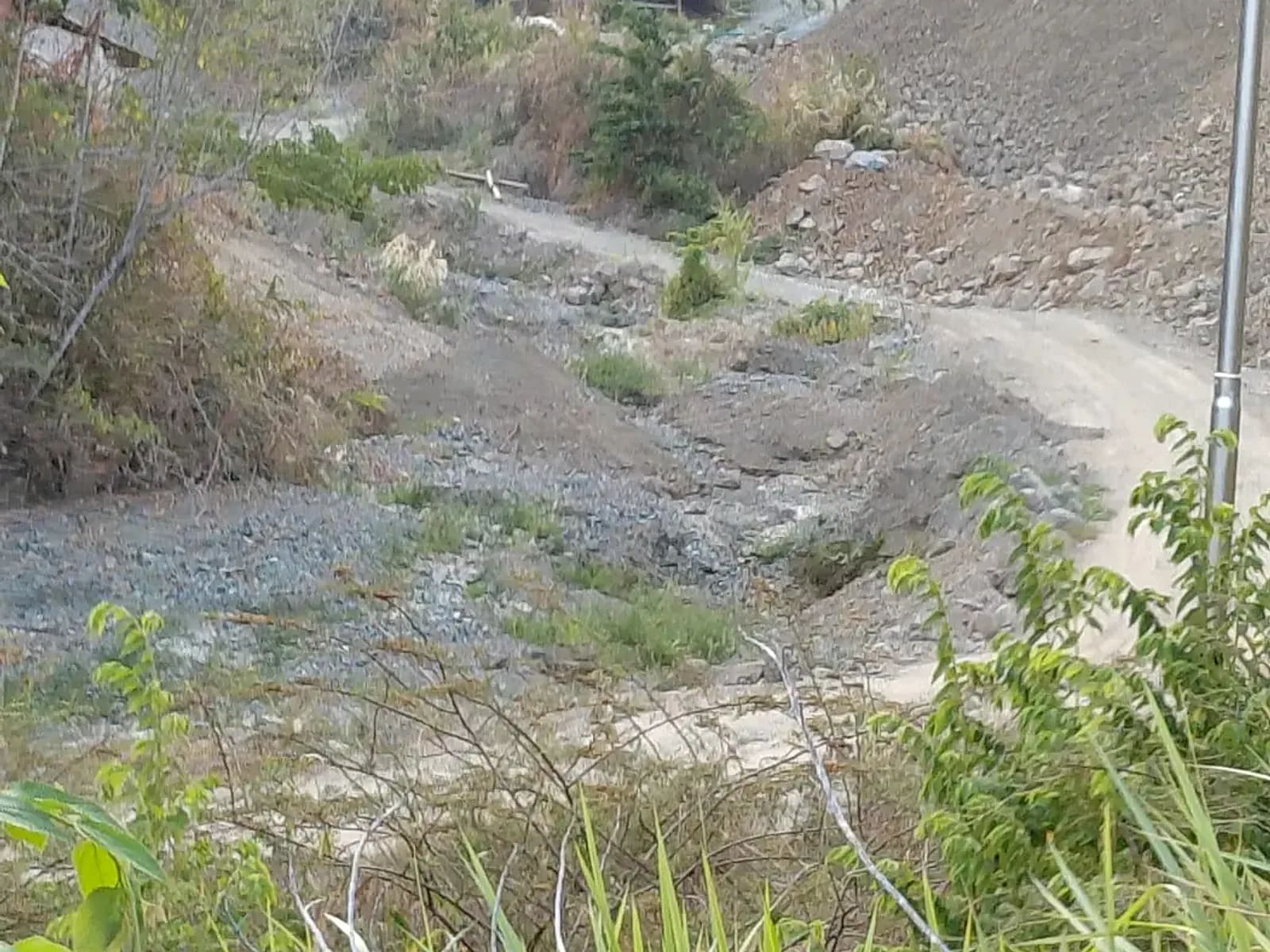
A dry riverbed below waste heaps

Banga, North Sulawesi

A river that carries the waste

Mining scars cut into the forest above the village. When it rains, silt and mercury wash into the river that people use downstream. The documentary The Story of Banga follows the people who live with it.

Source: ESMI field visits; The Story of Banga

A grey waste heap above a village

Bolaang Mongondow, North Sulawesi

Waste heaps above homes

Grey heaps of cyanide-leached rock stand above houses and power lines. The regency counts 33 deaths in illegal gold mines since 2015 (as of 25 Oct 2026). This is where the ESMI pilot has started.

Source: ESMI national report on Indonesia’s mine waste (incident register)

A miner panning for gold at a wooden sluice, Kepulauan Talaud

Every gold-mining district

Mercury in bodies, rice and fish

In five mining areas studied for the World Bank, 75% of miners, 59% of residents and 43% of children had too much mercury in their bodies. Mercury burnt off in backyards ends up in rice and fish.

Source: Nexus3 for the World Bank, 2023

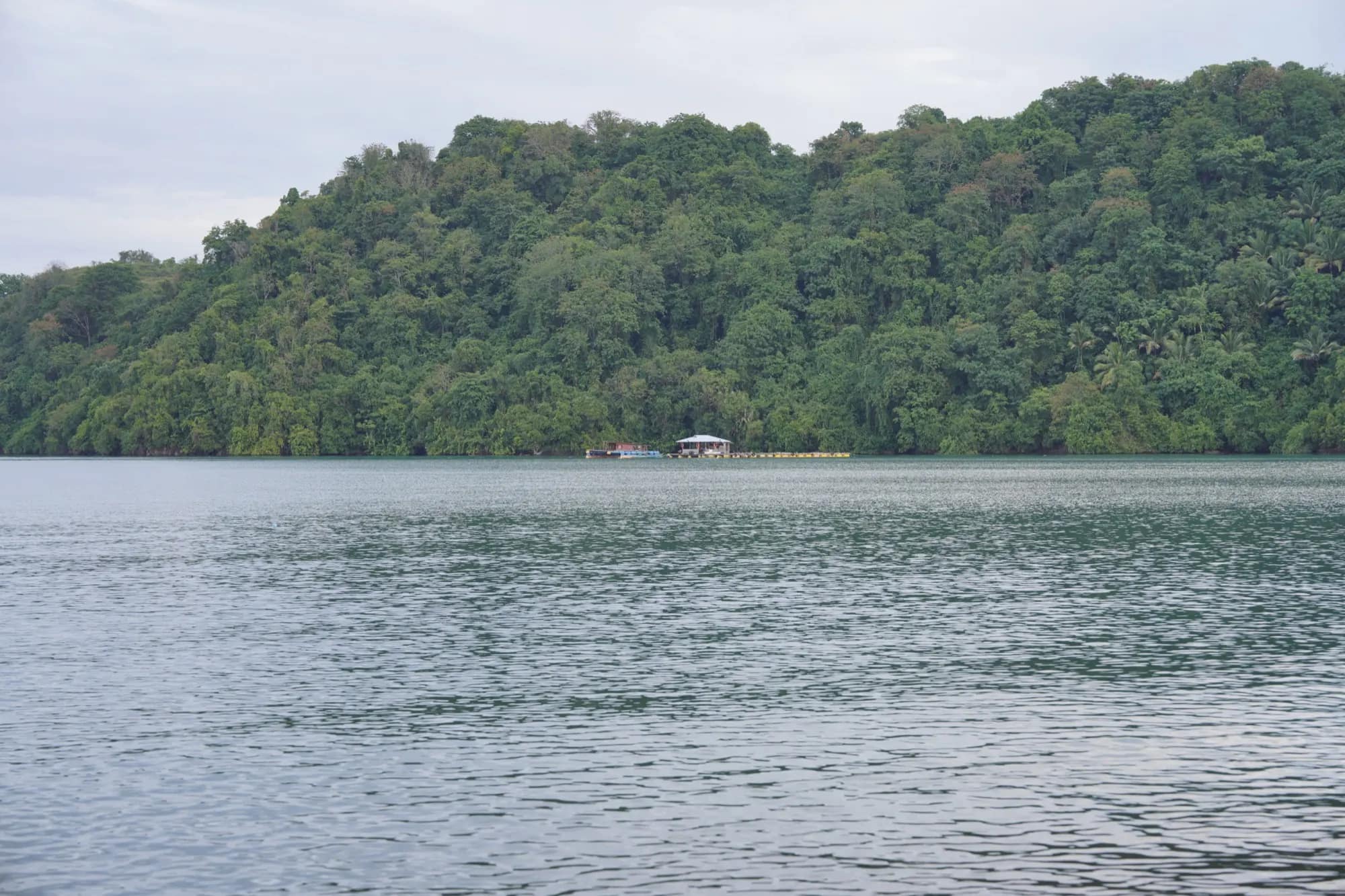
The Ratatotok river in North Sulawesi, with a fish-farm raft in front of the forest
The Ratatotok river, North Sulawesi. Gold is mined in the hills upstream. Mercury cannot be seen in the water: it shows up in the fish, and then in the people who eat them.

Doing nothing costs USD 548 million a year

The national report estimates the damage by category. It is an estimate, not a measurement, but the order of magnitude is clear: three quarters is harm to health from mercury.

Lost forest adds about USD 72 million a year. Combined, without double counting: about USD 580 million a year.

Most avoidable damage lies in Central Kalimantan, West Kalimantan, Jambi and Riau. The order of work also weighs existing roads and the power grid, so work can start quickly. In Java, Sulawesi and Bali-Nusa Tenggara the scan is first checked in the field.

Mercury does not stay in Indonesia

Through the air

Mercury vapour from burning amalgam (gold bound with mercury) stays in the air for 6–12 months and settles across the region, including at sea.

Through shared seas

Rivers from Sulawesi, Kalimantan, Maluku and Papua flow into seas Indonesia shares with the Philippines, Malaysia and Australia.

Through fish

In water, mercury becomes methylmercury and builds up in the food chain, up to the tuna on other countries’ plates.

Through trade

Since the import ban, mercury comes from illegal cinnabar mines. Lower demand cuts off that trade.

Source: Business plan §§ 1.1–1.4; ESMI national report on Indonesia’s mine waste § 13.5; Zhang et al. 2022; Steckling et al. 2017; UNEP Global Mercury Assessment.

Why now

Waiting makes the job bigger and the damage worse.

  • USD 1.5 mln

    damage per day

    Mercury, lost harvests, polluted water and floods.

  • 46%

    appeared after 2020

    The waste grows 3–10% a year.

  • 2025

    target missed

    Mercury-free small-scale gold mining was due in 2025. About 800 mercury hotspots remain.

  • 2030

    four years left

    The deadline for the SDGs and for 30% of degraded nature under restoration.

Source: Business plan § 1; ESMI national report on Indonesia’s mine waste § 13.5; Perpres 21/2019; Kunming-Montreal target 2.

Gotong royong

The pilot is under way. The next step is scale.

The pilot in Bolmong has started. ESMI is now raising large-scale funding to clean up Indonesia’s mine waste. Investors can start with one 10-tonner (USD 1.7 million).

ESMI also works as a hired partner. Mining companies and cooperatives can bring in ESMI to upgrade an existing plant with its microbes and methods, so it recovers more and can move away from mercury and cyanide.