
A target with a date
In 2017 Indonesia became a party to the Minamata Convention on Mercury, a global treaty that aims to protect health and the environment from man-made mercury (Law No. 11 of 2017). In 2019 the national action plan went further for small-scale gold mining. Article 4 of Presidential Regulation No. 21 of 2019 sets a target of 100% elimination of mercury in small-scale gold mining by 2025.
What happened
The year 2025 has passed. About 800 mercury hotspots remain. By May 2025, the national mercury-reduction target for small-scale gold mining was reported as 15% reached (reported by the ministry through Antara).
The scale shows why. Small-scale gold mining in Indonesia uses or loses about 345 tonnes of mercury a year. One estimate puts its emissions at about 307 tonnes a year, around 70% of national mercury emissions. Worldwide, the sector emitted about 838 tonnes to air in 2015, 37.7% of roughly 2,220 tonnes, the largest single source.
Why a deadline was not enough
Mercury is used where ore is processed: in villages and backyards. Since the import ban, mercury comes from illegal cinnabar mines, so the trade continues by other routes.
The legal gap is just as large. About 92% of gold-waste land lies outside any permit. Where there is no permit holder, the law obliges the government to act only when the polluter is unknown. In practice, miners work without a permit, and nobody is obliged to clean up what they leave.
The human cost is visible. Since 2015, at least 330 people have died in 105 accidents in illegal gold mines, 88 of them in 2026 (lower bound, as of 25 October 2026). The estimated damage from mercury through fish and rice alone is about USD 207 million a year.
What now
A missed target is a reason to change the route, not to drop the goal. A new deadline without a new way of working would be missed again. Four steps follow from the numbers:
- Bring mining into the legal system. Mercury-free processing is easier to require and to inspect on legal sites.
- Clean the old waste. Stopping new mercury is not enough while about 46,900 waste areas still leak.
- Measure. Mercury in the air, in fish, in rice and in people should be tracked with open methods and independent checks. ESMI and Universitas Islam Malang (Unisma) plan to start measuring mercury in fish, rice and people around gold-mine waste from 2027.
- Cut the demand. Lower demand for mercury cuts off the illegal trade that supplies it.
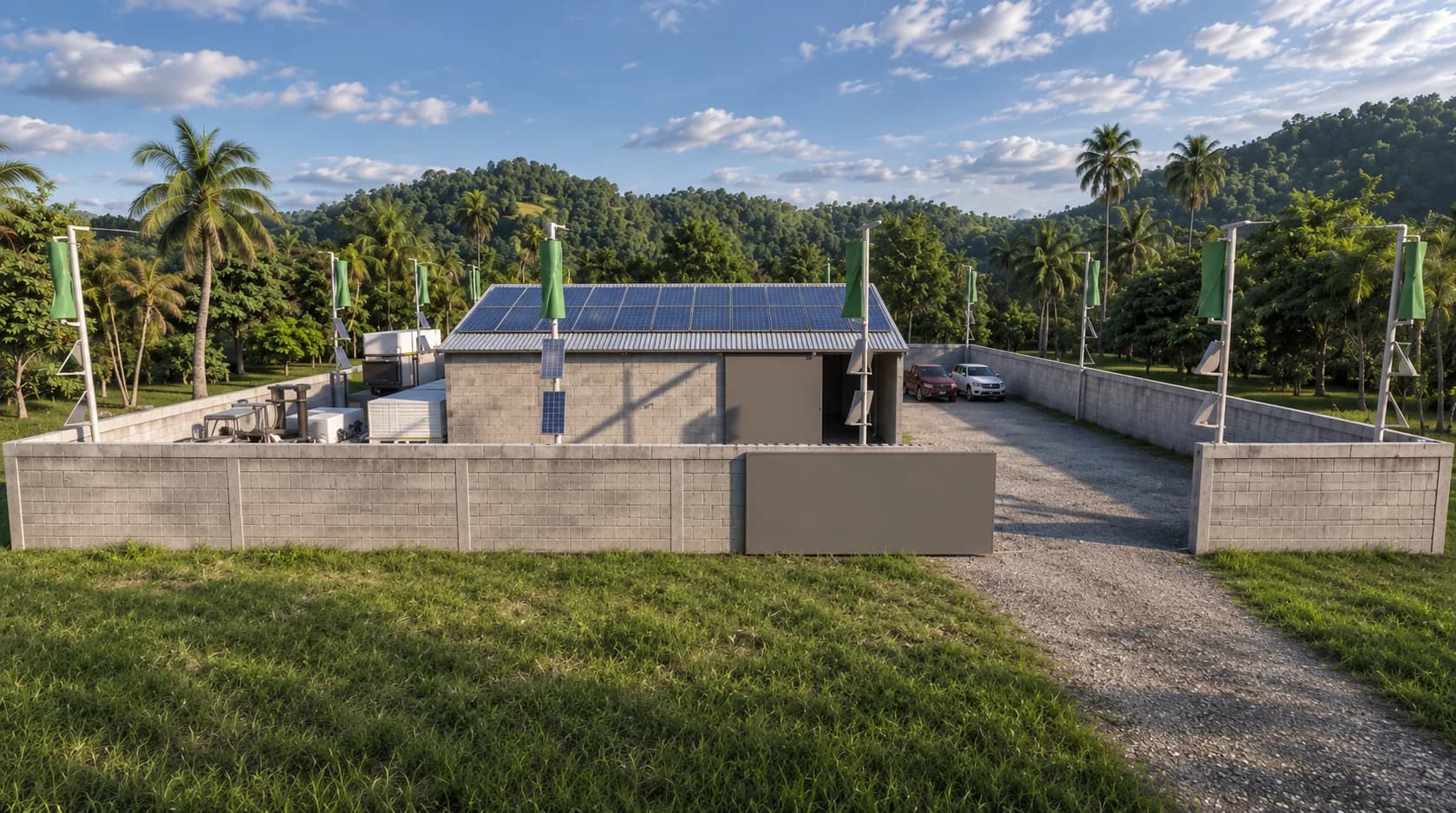
ESMI's programme is built around these steps: legal sites, mercury-free processing, and old waste cleaned up. It runs from 2027 to 2036 in phases, and each phase starts only when the previous one has met its targets. The first ESMI 10-tonner is planned for 2027. ESMI microbes make harmful liquid mercury solid so it can be removed, and the stored mercury is handled as the Minamata Convention requires.
Read the full picture on the problem page, the proposal for authorities on For governments, and the plant itself on the ESMI 10-tonner.
Sources
- Peraturan Presiden No. 21 Tahun 2019 (RAN-PPM), art. 4
- Undang-Undang No. 11 Tahun 2017 (ratification of the Minamata Convention)
- UNEP Global Mercury Assessment 2018
- National Action Plan PESK 2022 (KLHK), as cited in ESMI Indonesia in data
- KLH via Antara, May 2025; Nexus3/IPEN ASGM National Status Report 2025, as cited in ESMI Indonesia in data
- ESMI national mine-waste report v3.1: permits, waste areas, incident register