A cover looks like a solution
A layer of clay or soil over a waste heap is cheap to explain and easy to see. The heap is out of sight, and the problem seems closed. For waste that holds mercury, the question is different: does the mercury stay where it was put?
The evidence says it often does not.
Mine waste does not stay put
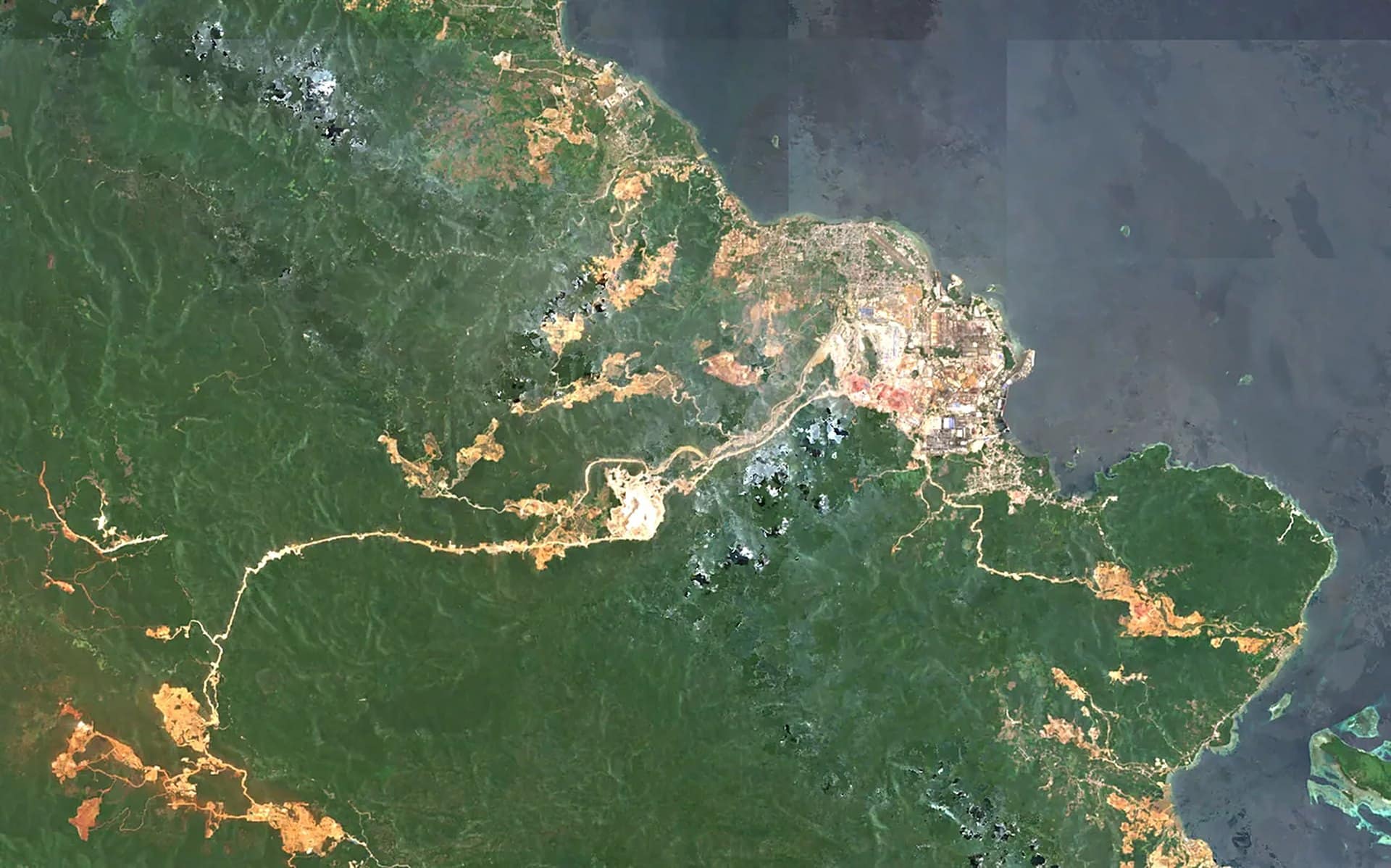
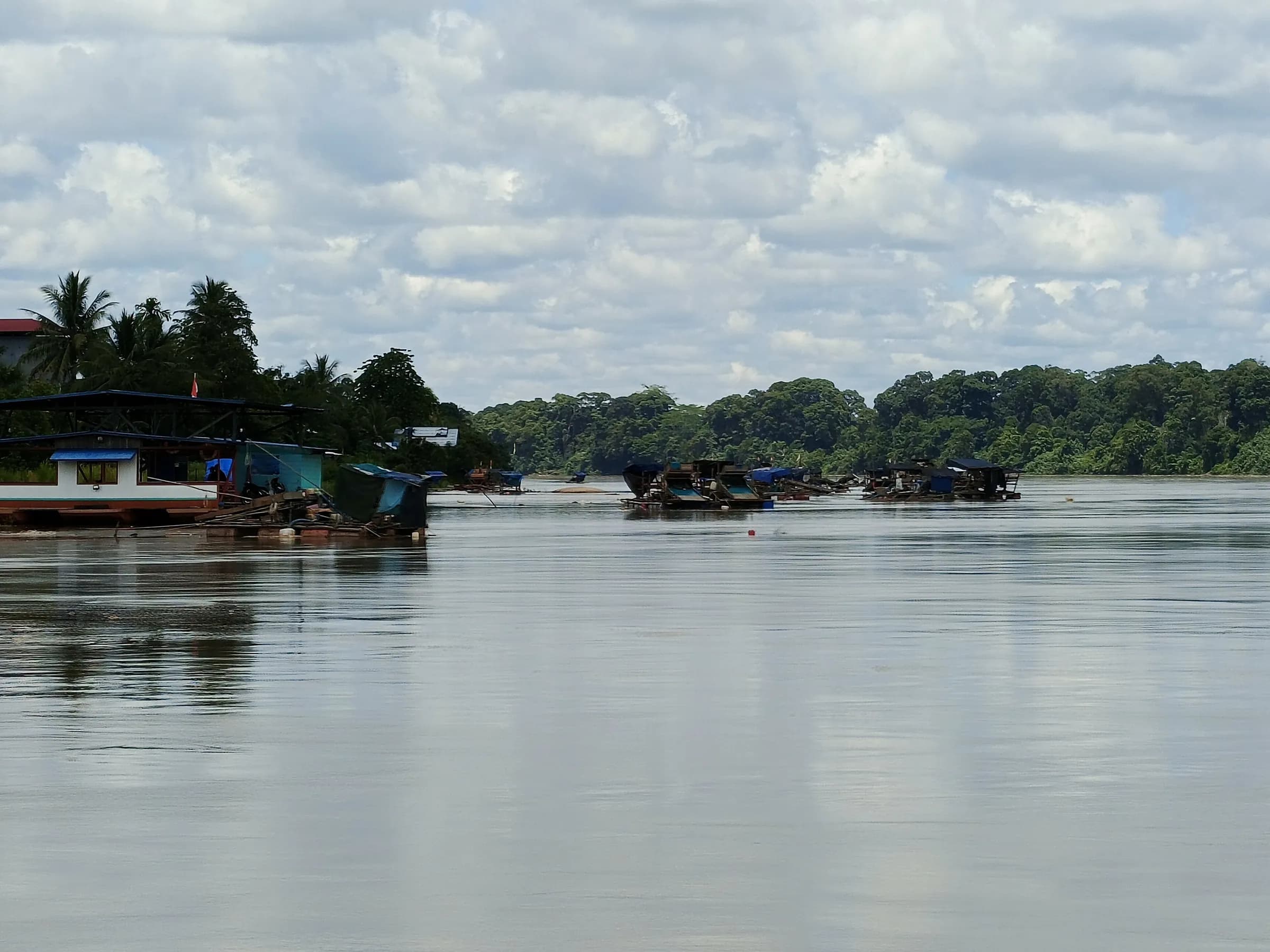
In the Talawaan watershed in North Sulawesi, researchers sampled water, river sediment and fish at 12 sites along the three main rivers. Mercury in the rivers rose over time and spread downstream of the mining. The authors called for solutions before a health and ecological disaster.
A review of tailings dumped near Buyat Bay, also in North Sulawesi, tells the same story from the coast. Tailings spread up to 3.5 km from the pipe and reached coral reefs. Methylmercury from the tailings entered the local food chain. That case is about tailings dumped at sea, not about covered heaps. It shows how far mine waste travels once it moves, and how mercury then enters food.
On land, the carrier is water. Rain carries silt and mercury into streams, rice fields, fish ponds and the coast. Pits and waste heaps also collapse, often in the rainy season. Since 2015 at least 330 people have died in 105 accidents in illegal gold mines.
What a cover leaves behind
ESMI compared the methods in use for gold-mine waste. For capping or landfill, the review finds:
- it does not capture the mercury already in the old waste;
- it does not recover gold or other metals;
- it leaves a heap in place, so no new use is made of the material;
- the land returns to the village only in part.
A cover postpones the problem. The mercury is still there, under a layer that someone must keep intact for as long as the mercury stays toxic. About 92% of gold-waste land lies outside any permit. With no permit holder, nobody is obliged to maintain it.
Change the mercury, then remove it
Mercury cannot be destroyed, only bound. Bacteria can bind it: seven mercury-tolerant strains from polluted soil, effluent and river sediment held 40 to 120 mg of mercury per gram of dry biomass, outside the cell. That is the function ESMI microbes use. They turn harmful liquid mercury into a solid, heavy compound that no longer evaporates or dissolves. A shaking table then separates it from the light sand, and it is packed for safe storage under the Minamata Convention. Cyanide, by contrast, can be broken down by microbes, and ESMI treats it that way.
Where each treatment fits
About 3,284 million tonnes of gold-mine waste lie in Indonesia (range 1,933 to 5,249 million, not yet measured in the field). Most is alluvial sand, which stays in place and is cleaned, levelled and planted. Only about 180 million tonnes, 5.5%, carry the mercury and cyanide. That share goes through the machine first.
The first ESMI 10-tonner is planned for 2027. Each step has a test agreed in advance, so a claim about mercury is a measured mass balance, not a promise.
See how the plant works on the ESMI 10-tonner, how the microbes make mercury solid on ESMI microbes, and the scale of the waste on the problem page.
Sources
- Edinger 2012, Oceanography
- Limbong et al. 2003, Science of the Total Environment
- Francois et al. 2012, Applied and Environmental Microbiology
- Ebbs 2004, Current Opinion in Biotechnology
- ESMI review of published methods for gold-mine waste (Why the 10-tonner)
- ESMI volume and solution model; Indonesia in data